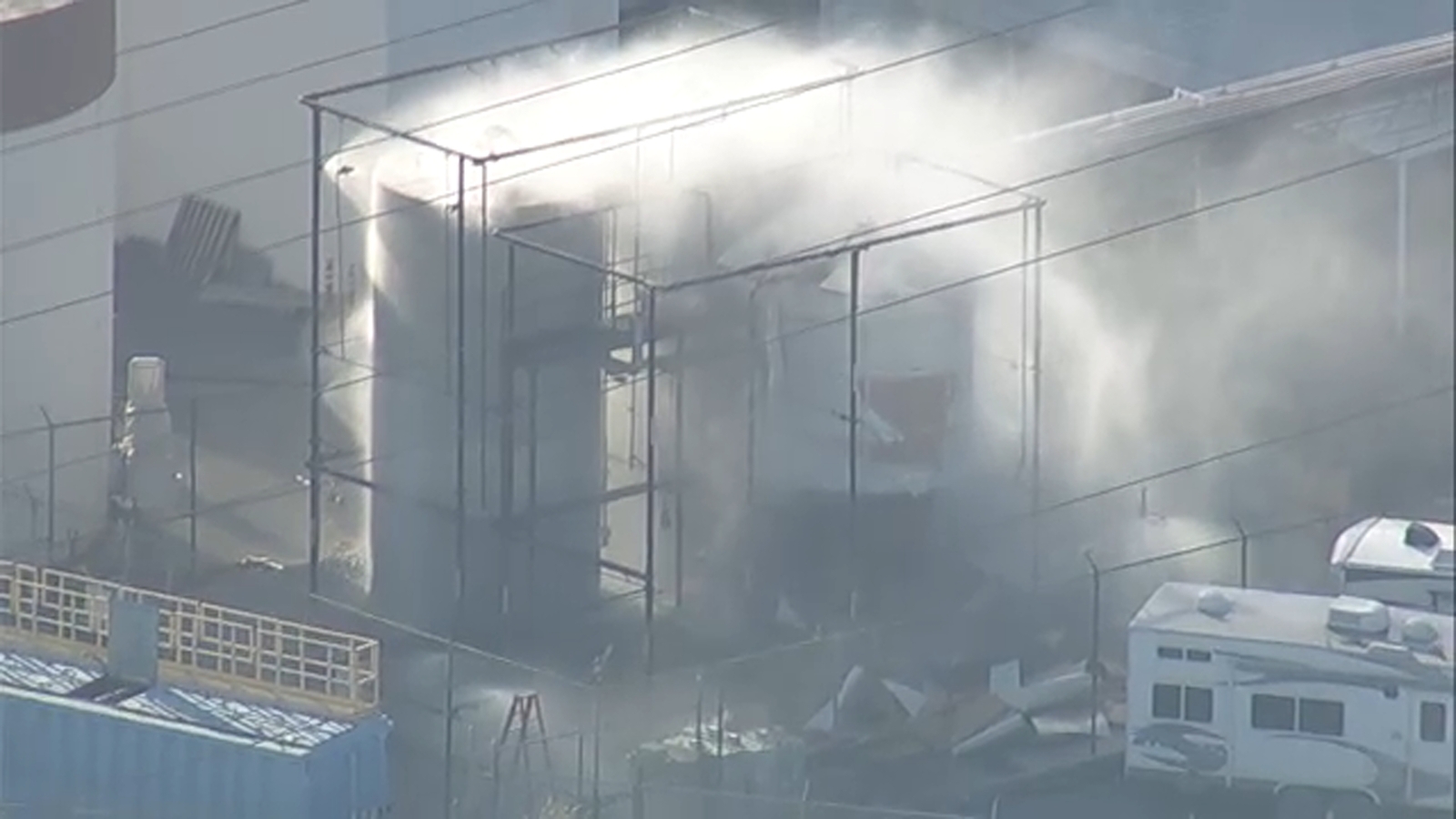
Officials reported no contamination, no fumes, no vapors, and no air-quality exceedances for the roughly 16,000 residents still in a reduced evacuation zone in Orange County. EPA monitoring with 20 real-time instruments has shown clean air throughout the event, and runoff/water testing has also remained clean. The update is primarily a public-safety reassurance with minimal direct market relevance.
This is less a market event than a de-risking signal for local economic activity: the absence of a measurable release sharply lowers the probability of a second-wave remediation bill, extended shutdown, or insurance-covered reconstruction drag. The immediate beneficiaries are the local “return-to-normal” stack — retailers, grocers, home-improvement, and commute-sensitive operators — because the key overhang is no longer contamination risk but logistics of reoccupation. In practice, that tends to shift the narrative from emergency response to cleanup/inspection spending, which is much smaller and shorter-dated. The second-order read is that the market should discount most of the worst-case liability tail. If air and runoff are clean, the odds of litigation expanding from property damage into health claims collapse materially, which matters for municipalities, industrial operators, and insurers with California exposure. The bigger catalyst now becomes not what was released, but whether authorities can shrink the reduced evacuation zone quickly; every extra day of restricted access prolongs lost sales, labor disruption, and claims friction. Contrarian risk: consensus may be overfocusing on the reassuring headlines and underpricing the administrative lag. Even without contamination, reentry can create a 1-3 week demand hole from displaced households, school disruptions, and delayed tenant move-ins, which can show up in regional consumer names and landlords before normalcy returns. The other tail risk is monitoring that turns up a delayed issue; if that happens, the current all-clear messaging would amplify downside because expectations are now anchored to zero damage. For trading, this is a better short-vol than directional macro setup: the clean read lowers catastrophe premia quickly, but the upside from an all-clear is capped unless restrictions are removed. The most asymmetric expression is to fade overowned “disaster beneficiaries” and look for local normalization trades rather than chasing broad defense or environmental services after the headline relief.
AI-powered research, real-time alerts, and portfolio analytics for institutional investors.
Request DemoOverall Sentiment
neutral
Sentiment Score
0.05
