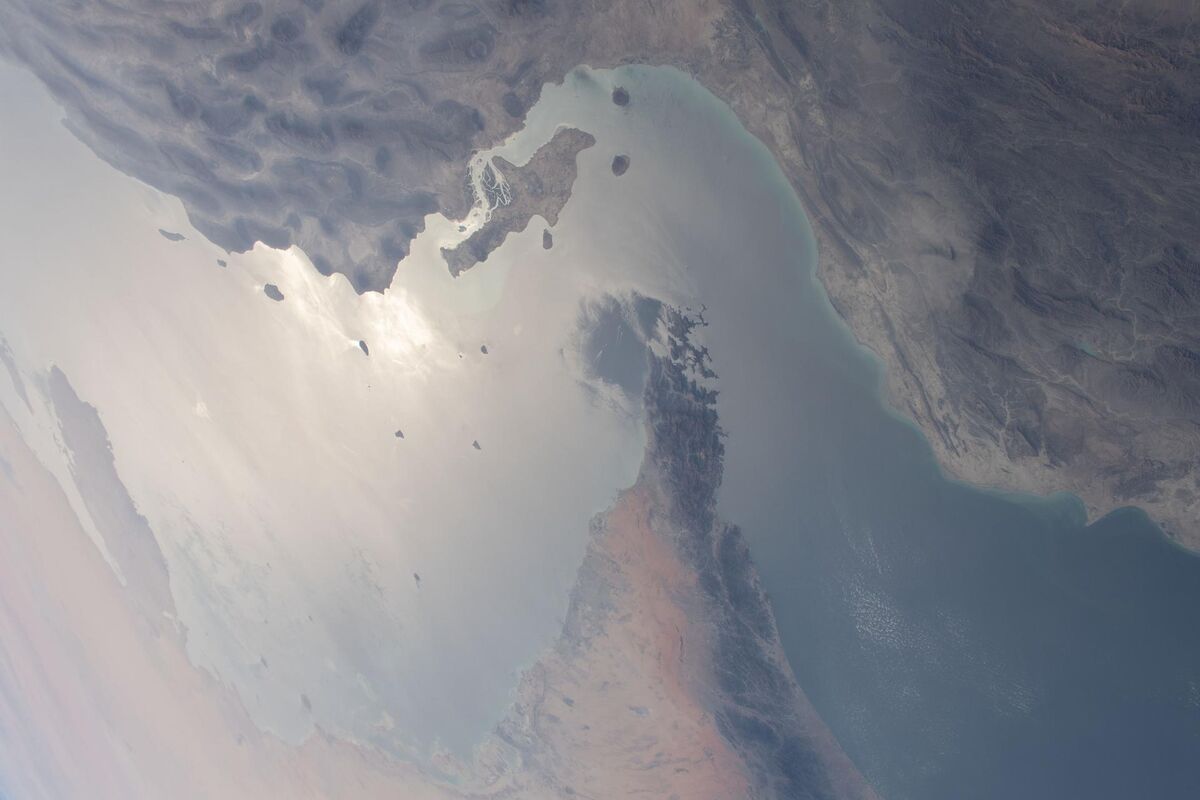
European naval powers say they will not reopen the Strait of Hormuz to commercial shipping while the Iran conflict continues, rejecting US calls to deploy warships. Europe is discussing escorted convoys but will withhold naval deployments until the fighting eases and a clearer US plan and Iranian threat assessment emerges. The stance raises upside risk to oil prices and shipping disruption, increasing volatility in energy markets and supply chains.
Blocked access to a chokepoint creates a demand shock that is not uniform across the energy value chain: voyage-distance sensitive assets (VLCCs, Suezmax, product tankers) see immediate day-rate upside while fixed-location infrastructure (pipelines, refineries close to demand) face margin squeeze from higher delivered crude costs. A 15-25% increase in voyage distance to key markets translates into 5–12 additional ballast days per round trip; for a VLCC that can push TCEs from breakeven to $20–60k/day within weeks, producing outsized equity volatility in owner names.
Second-order supply responses take 1–6 months: storage builds and contango cheapen effective spot exposure for traders and storage owners, while US shale adds modest incremental barrels only after prices sustain a premium for several quarters. Meanwhile logistics and consumer sectors absorb higher fuel and insurance premia immediately; airlines and freight-forwarders face margin compression in the next 30–90 days, but that can reverse sharply on a diplomatic breakthrough.
Catalysts to watch are binary and asymmetric: a credible US/EU naval escort plan or a diplomatic de-escalation would collapse the risk premium in days and crush tanker time-charter levels, while an Iranian escalation or attacks on commercial tonnage would extend the premium for months and force structural re-routing. The consensus trade that longs energy names and shipping owners is directionally correct but underestimates the speed at which OPEX (insurance, bunkers, diversion costs) will erode refinery cracks and sovereign spare capacity will cap prices — a sustained multi-quarter oil spike is a lower-probability outcome than headline volatility suggests.
AI-powered research, real-time alerts, and portfolio analytics for institutional investors.
Overall Sentiment
mildly negative
Sentiment Score
-0.30
