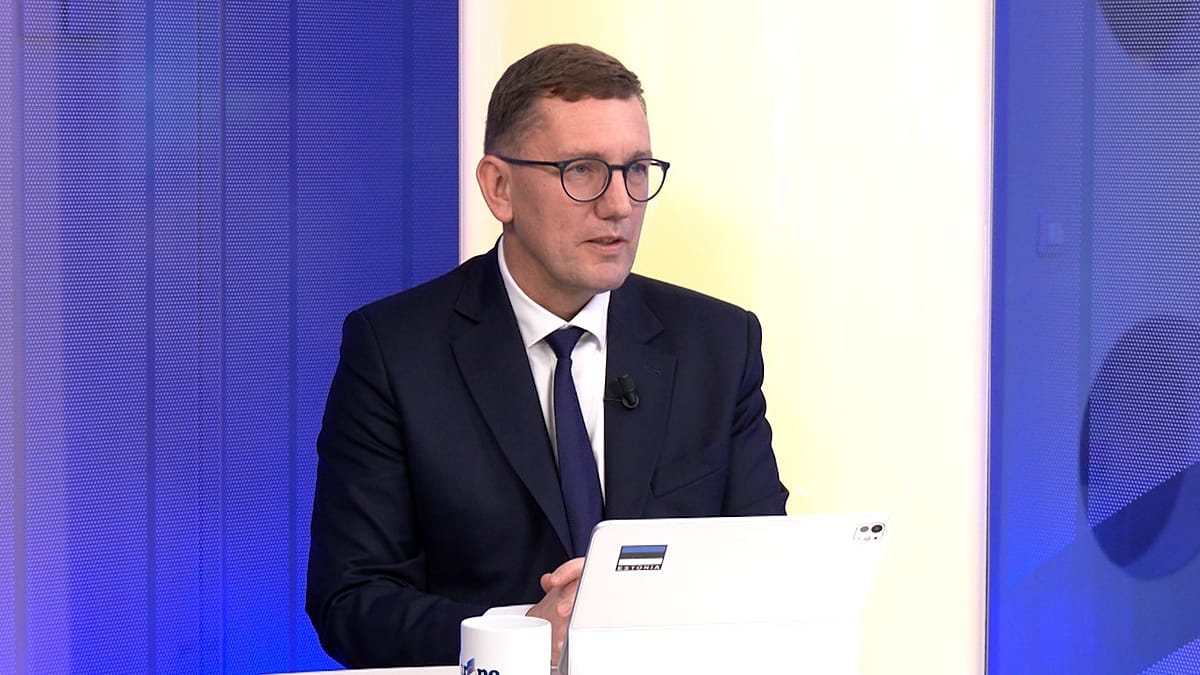
Estonian PM Kristen Michal criticised Hungarian PM Viktor Orbán for blocking a previously agreed €90 billion EU emergency loan designated for Ukraine’s 2026–27 military and financial needs, a move tied to disputes over damage to the Druzhba oil pipeline and occurring ahead of Hungary’s April election. The veto risks delaying vital aid, heightening EU political fragmentation, keeps frozen Russian assets under consideration as an alternative funding source, and underscores rising European defense commitments (Estonia spending 5.4% of GDP), all of which increase political and energy-market risk in the region.
Market structure: Immediate winners are defense and intelligence-capable equipment makers (US large caps and European primes) and short-term energy traders; losers are Hungary-specific assets, EU political-risk-sensitive peripheral sovereigns, and pipeline-exposed oil transit intermediaries. The blocked €90bn raises probability of delayed Kyiv funding (weeks–months), which increases near-term demand for NATO/EU security goods (+10–20% procurement budgets cited in member states over 12–24 months) and creates episodic oil supply-tightening risk around affected pipelines.
Risk assessment: Tail risks include escalation or legal seizure of frozen Russian assets (~low-probability, high-impact) that could trigger secondary sanctions or litigation for counterparties, and a Hungary political shock if Orbán wins decisively in April—expect ±3–8% intra-EMU FX/bond moves in days. Immediate (days) volatility centers on EUR/HUF and Hungarian bond CDS; short-term (1–3 months) on Brent and defense equity re-rating; long-term (6–24 months) on European defence budget consolidation and potential fiscal integration.
Trade implications: Favor nimble long exposure to large-cap defense (LMT, RTX, GD) sized 2–4% NAV with staggered entries over 3 months; add tactical long Brent exposure (Brent futures or BNO) 1–2% NAV for a 1–3 month window with $3–8/bbl upside target. Hedge Hungary political risk by buying Hungarian sovereign CDS or underweighting Hungary EM EU equities (1% NAV) and positioning EUR/HUF long ahead of April election via forwards or options (target 5–10% move).
Contrarian angles: Consensus overlooks that veto drama could accelerate partial EU fiscal/security centralisation, a structural positive for European defense primes (e.g., SAF, MCRO-type suppliers) over 12–36 months. The market may overprice permanent EU fragmentation; if election reduces veto risk, energy and peripheral spreads should mean-revert, offering short-lived mean-reversion trades (tighten stops at 2–3% adverse moves). Monitor legal/Commission steps on frozen assets as a >20% catalyst for re-rating in either direction.
AI-powered research, real-time alerts, and portfolio analytics for institutional investors.
Request DemoOverall Sentiment
mildly negative
Sentiment Score
-0.25
