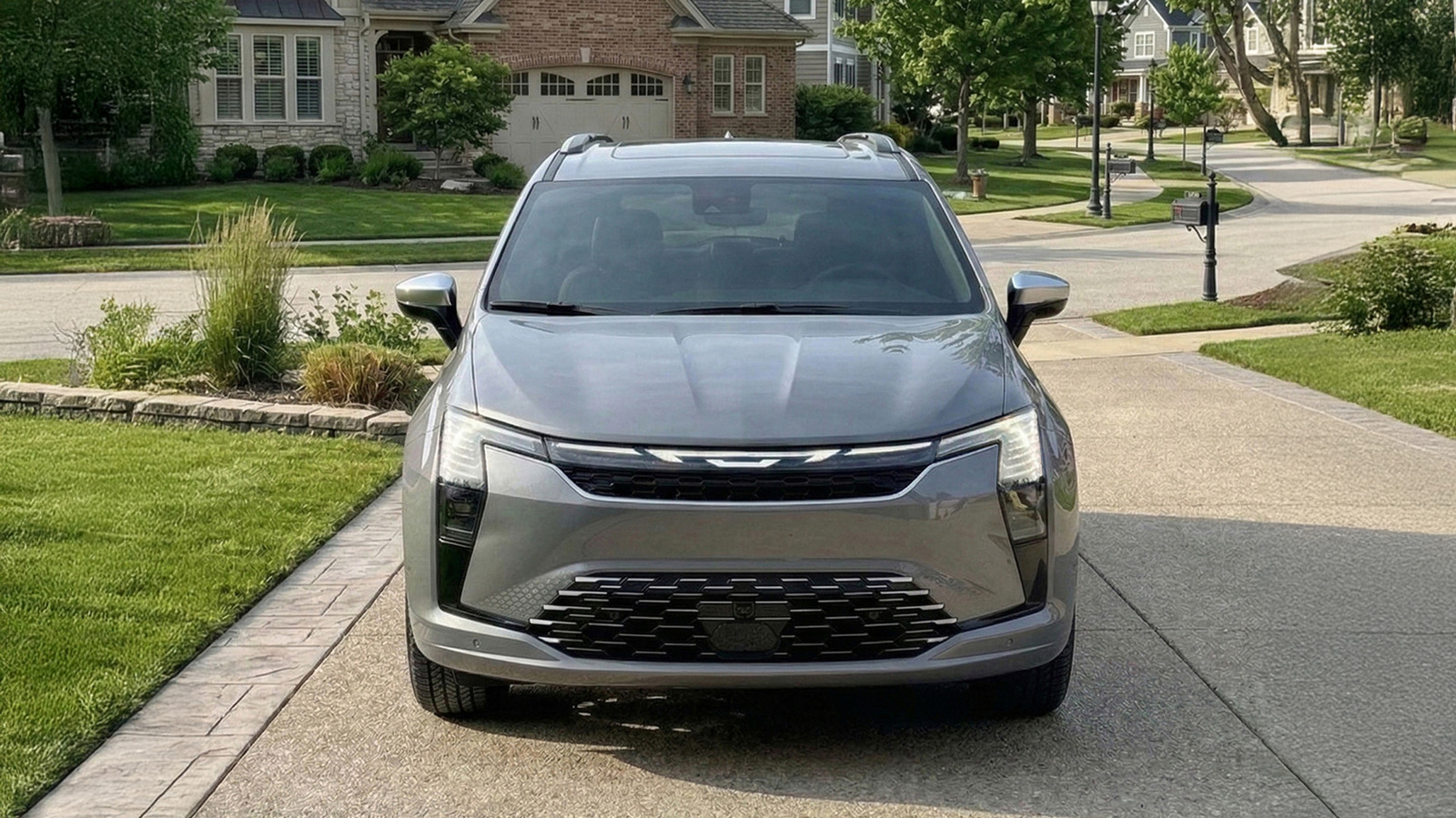
Chrysler confirmed the 2027 Pacifica is receiving only a light facelift and will remain the brand's sole model, signaling constrained capital allocation and strategic risk to the marque. The plug-in-hybrid Pacifica has been dropped, leaving only the Pentastar V6 powertrain. Pricing starts at $41,495 for the new Pacifica LX and tops out at $59,255 for a fully loaded AWD Pinnacle. The limited update and elimination of the PHEV suggest weak investment capacity and elevated execution risk for Chrysler's long-term viability.
The visible signal here is not just product inertia but capital allocation priorities: an aging nameplate and a pause in electrification suggest management is conserving cash and prioritizing higher-return segments. That will depress near‑term OEM ordering for EV-specific components and premium supplier work, while increasing demand variability for internal‑combustion parts and aftermarket service over the next 12–36 months.
Second‑order winners should include broad aftermarket and parts distributors who benefit from a slower replacement cycle and a larger in‑service ICE fleet; second‑order losers are specialized EV/battery suppliers and contract engineering houses that depend on fresh platform programs. Dealers and remarketers will see weaker new‑vehicle margins and downward pressure on trade‑in values for the affected nameplates, which should create inventory and price dislocation in the used market within 3–9 months.
Key catalysts that can materially re‑rate the situation are (a) explicit reallocation of capex back into electrification or a JV announcement within 6–12 months, which would sharply reduce downside risk, and (b) regulatory moves (fuel economy/ZEV) that accelerate forced capex and create order volatility for ICE suppliers over 12–36 months. Absent those, expect a slow bleed in brand equity that amplifies dealer discounting and lowers long‑term residuals, a process that typically unfolds over multiple product cycles.
AI-powered research, real-time alerts, and portfolio analytics for institutional investors.
Request DemoOverall Sentiment
strongly negative
Sentiment Score
-0.55
