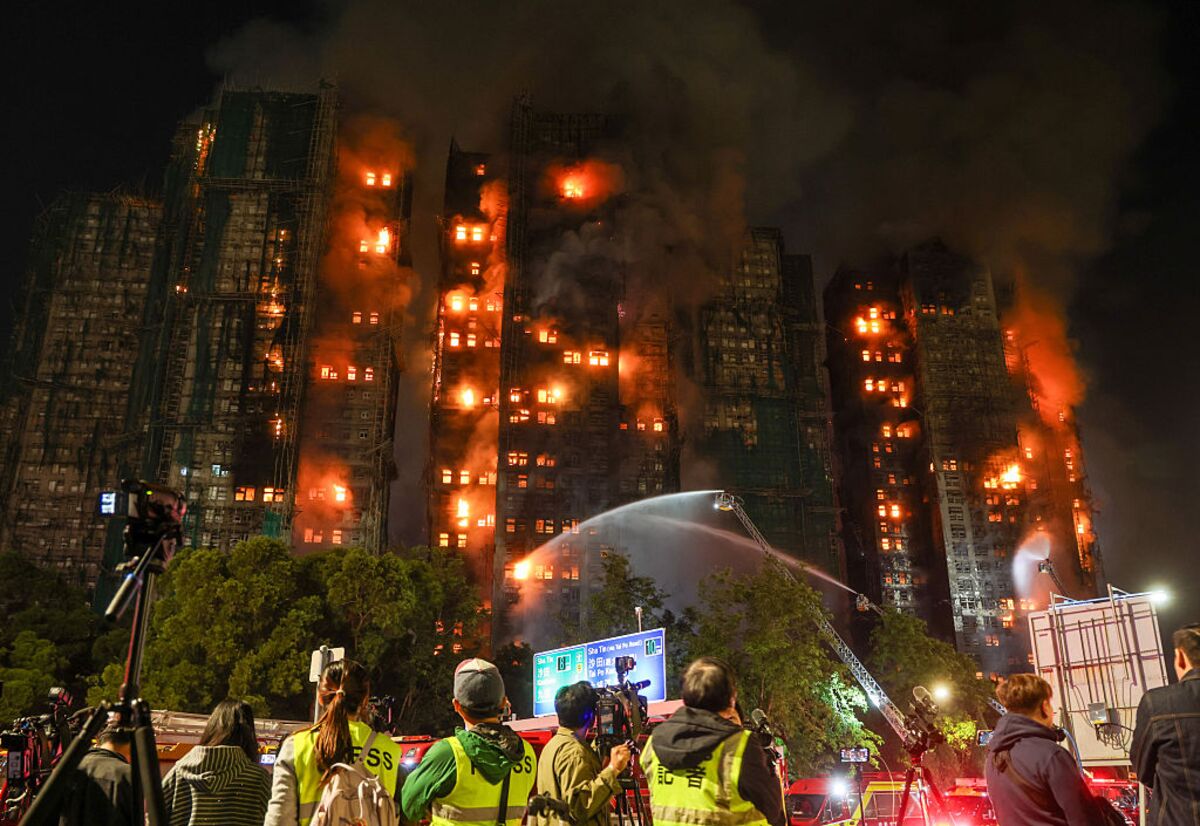
Hong Kong's Office for Safeguarding National Security summoned international news organizations, including Bloomberg, to warn against what it called false information and smear campaigns related to the city's deadliest fire in nearly eight decades and the upcoming legislative elections. An official chastised foreign reports as disregarding facts and inciting division, using a phrase tantamount to 'you have been warned,' signaling tighter media scrutiny ahead of elections and heightened political risk that could weigh on investor sentiment toward Hong Kong assets.
Market structure: The immediate winners are state-aligned domestic media and platforms that will capture redirected ad/spend and traffic; losers are international outlets and HK small/mid-cap names sensitive to foreign investor sentiment. Expect a 3–8% widening in bid-ask spreads for HK small caps and a 5–15% intraday volatility spike in names tied to local politics around headline events; trading volumes should reallocate to large-cap, liquid names (HKEX, large banks, utilities).
Risk assessment: Tail risks include an escalation to formal media restrictions or reciprocal foreign sanctions that trigger >$5–10bn of portfolio outflows within 1–3 months and a 10–25% re-rating of HK risk-premia over 6–12 months. Near-term (days) risk is headline-driven volatility; short-term (weeks/months) risk is flow compression (MSCI/ETF reweights); long-term (quarters/years) is persistent valuation discount and lower foreign listing appetite. Hidden dependencies include custodial/frictional effects on ADR liquidity, index inclusion thresholds, and bank deposit flows.
Trade implications: Tactical plays should favor liquid large-caps and volatility capture — overweight HKEX (0388.HK) and buy short-dated HSI put spreads as insurance while underweight EWH/2800.HK or small-cap Hong Kong ETFs. Use 1–3 month expiries to balance cost; expect to de-risk if net ETF outflows exceed $2bn over a rolling 10-day window or if HSI recovers >6% from the local low.
Contrarian angles: Consensus underestimates government backstops and the substitution effect (domestic capital replacing some foreign flows), which can stabilize large cap fee-generative businesses; historical parallels (2019 unrest) show deep but short-lived drawdowns for large-caps with recoveries in 3–9 months. The overreaction risk: if implied volatility >30% and HSI falls 8–12%, this could present a buy-the-dip in long-only positions in state-supported banks/utilities (e.g., HSBC 0005.HK) with 6–12 month recovery potential.
AI-powered research, real-time alerts, and portfolio analytics for institutional investors.
Request DemoOverall Sentiment
mildly negative
Sentiment Score
-0.30
