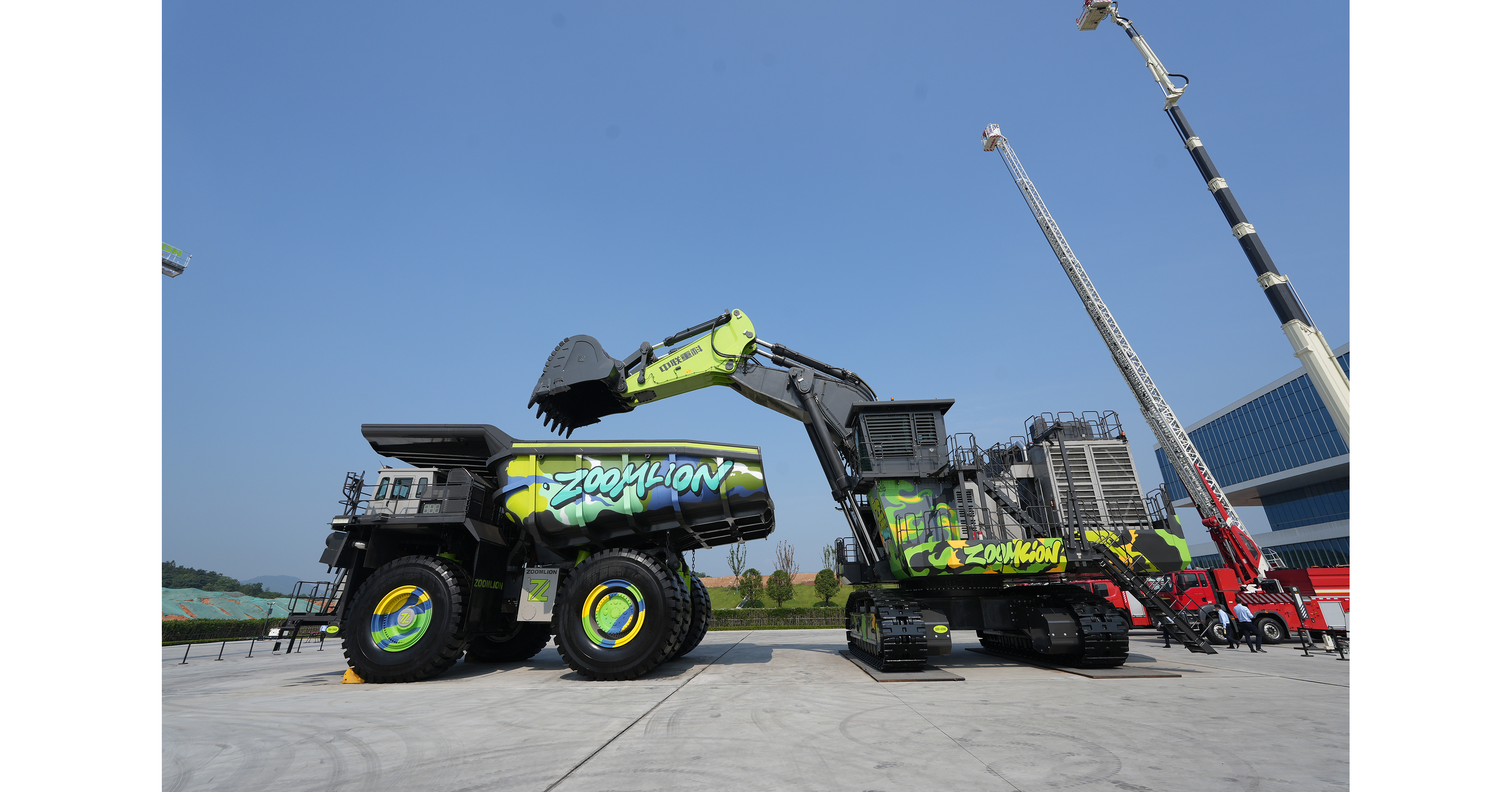
Zoomlion highlighted five technology achievements in hybrid and electric drive systems, including a high-power hybrid tractor and electro-drive and smart control technologies across construction and agricultural machinery. The company reported efficiency gains from its hybrid technologies—~30% fuel savings for a hybrid wheat harvester and ~8% for its hybrid tractor. It also outlined its expanding new-energy portfolio (nearly 60 products in 2025; ~240 products currently) covering battery-electric, hybrid, hydrogen fuel-cell drives, and charging solutions.
Zoomlion’s edge here is not the announcement itself, but the implied shift toward higher-content machines where software, power electronics, and service matter more than pure steel-and-hydraulics. If the new-energy portfolio is real and repeatable, it can help defend share in segments where buyers increasingly optimize total cost of ownership, especially mining and agricultural equipment with predictable duty cycles. The bigger medium-term winner may be upstream component suppliers with battery/motor/inverter exposure, while legacy diesel-centric powertrain vendors face gradual displacement.
The key question is monetization, not engineering. In heavy equipment, electrification often starts as a margin-neutral or margin-negative feature set because OEMs absorb cost to win tenders, then monetizes later through spare parts, software, fleet management, and charging/swapping infrastructure. That means the first-order equity reaction can overstate the P&L impact; the real upside would show up only if Zoomlion can prove faster order conversion, better mix, or service revenue over the next 1-3 quarters. If not, this remains more of an ESG/optionality story than a fundamental earnings driver.
For competitors, this is a reminder that Chinese domestic OEMs are pushing down the learning curve faster than many global peers expect. CAT, Deere, Komatsu, and SANY/XCMG should be watched for any evidence that electrified product penetration is changing bid behavior or pressuring pricing. The contrarian risk is that the market is underestimating how quickly policy and fleet economics can accelerate adoption in China, but the falsifier is simple: if order wins and margin mix do not improve by the next two reporting cycles, the announcement is mostly non-economic window dressing.
AI-powered research, real-time alerts, and portfolio analytics for institutional investors.
Request DemoOverall Sentiment
mildly positive
Sentiment Score
0.25
Ticker Sentiment
