

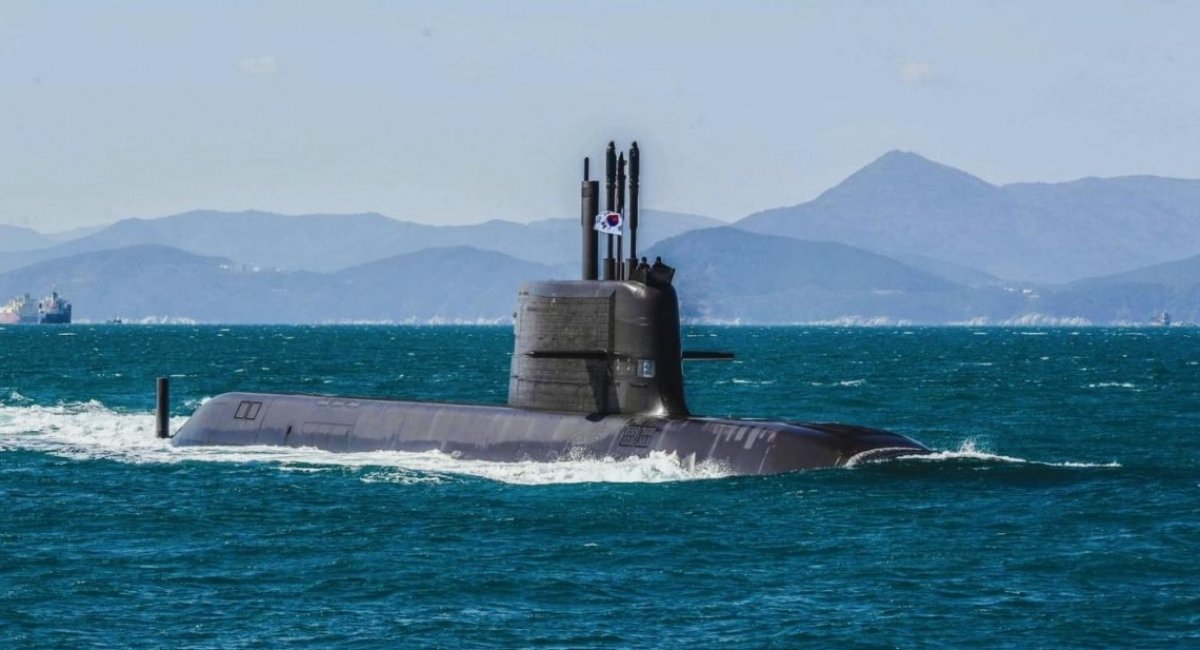
South Korea is broadening its pitch for Canada’s 12-submarine procurement by adding space cooperation, including a planned Hanwha Aerospace MOU with Maritime Launch Services. The proposal also includes localized submarine production in Canada and steel sourcing from Algoma Steel, with Hanwha claiming lower cost and faster delivery versus the German alternative. The article is strategic and procurement-focused rather than a near-term market catalyst.
This is less about submarines as a standalone defense deal and more about Canada using a procurement competition to extract industrial-policy concessions across multiple sectors. The likely winner is not just the shipbuilder, but domestic industrials that can anchor local content commitments, with second-order upside to Canadian steel, port/logistics, and any entity tied to sovereign-space infrastructure. The space-cooperation angle is especially useful as a negotiation lever because it reframes the bid from a procurement cost decision into a strategic autonomy package, which can justify a higher headline price if Ottawa prioritizes jobs and capability transfer.
For competitors, the key risk is not losing on platform performance but losing on bundle economics. If South Korean bidders are willing to localize production and source inputs domestically, German and other European rivals may be forced into margin-dilutive concessions or accept a lower win probability; either outcome pressures returns on future export bids. The real second-order effect is that a successful Canada win would validate a replicable playbook for Korean defense exporters: pair hard security hardware with adjacent infrastructure and dual-use technology, then use local-content commitments to outbid pure-platform competitors.
The catalyst path is binary but slow: proposal assessment over the next 1-3 months can move valuations in defense-adjacent names before a final award, while any political slippage or budget recalibration could delay the trade for quarters. The main tail risk is that Canada splits the order again, which would reduce scale economics and cap the upside for the most aggressive bidder. Another reversal risk is scrutiny over lifecycle cost claims; if Ottawa demands audited delivery timelines and fully comparable pricing, marketing advantages can fade quickly.
The consensus may be underestimating how much this competition is really about industrial sovereignty rather than submarine specs. That favors bidders able to package financing, jobs, and adjacent strategic industries, and it also means the market may be too focused on the prime contractor while underpricing beneficiaries of localization and logistics buildout. If the full-package approach is accepted here, expect similar terms to reappear in other Western defense procurements, making this a template event rather than an isolated contract.
AI-powered research, real-time alerts, and portfolio analytics for institutional investors.
Request TrialOverall Sentiment
mildly positive
Sentiment Score
0.22
Ticker Sentiment
