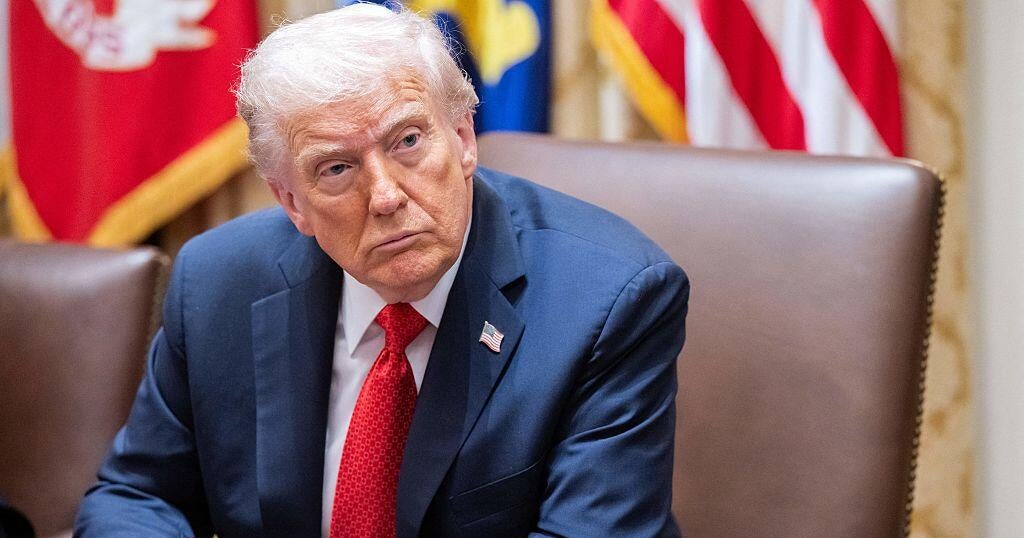
President Trump is increasingly frustrated with limits on military options against Iran as advisers warn that limited strikes would likely not be decisive and could trigger wider retaliation. U.S. forces have expanded posture in the region—deploying the USS Gerald R. Ford and USS Abraham Lincoln carrier strike groups and reinforcing Patriot and THAAD systems—while military leaders caution a sustained campaign could draw in additional resources and allies. The standoff raises the probability of escalation (missile attacks, maritime harassment in the Strait of Hormuz, proxy actions) and creates near-term downside risk for risk assets while supporting defense and energy-related volatility.
Market structure: Defense contractors (LMT, NOC, RTX, GD) and energy producers/refiners (XOM, CVX, XLE) are the clear near-term beneficiaries as risk premia on Middle East conflict rise; airlines, cruise lines and regional trade/Logistics (AAL, LUV, RCL, ZIM?) and EM exporters/importers are immediate losers. A partial Strait of Hormuz disruption (0.5–2.0 mb/d) would mechanically transfer cash flow to producers and raise refining margins; pricing power shifts to integrated majors and LNG exporters while downstream/transport suffers. Risk assessment: Immediate (days) — volatility spike in oil, FX (weaker TRY/IRR proxies), and VIX; short-term (weeks–months) — rotation into defense and energy, flight to USTs and gold; long-term (quarters–years) — higher defense budgets but also potential stagflation if energy stays elevated. Tail risks include a wider regional war (oil > $120, S&P -15%) or severe shipping disruptions; hidden dependencies include insurance/reinsurance repricing and central-bank reaction to energy-driven inflation. Trade implications: Implement defensive longs (defense ETFs or specific large caps) and energy exposure while hedging equities with tactically sized S&P puts or VIX calls; short airlines/ports/EM FX. Use calendar/credit spreads to buy skewed protection rather than naked long-dated holdings; target rebalances as price-action confirms escalation or de-escalation within 2–8 weeks. Contrarian angles: Consensus may overprice a full-scale war — past tanker/proxy incidents produced 10–25% oil spikes that mean-reverted in 6–12 weeks once logistics/SPR and diplomacy moved. Avoid full conviction buys; stagger entries and use volatility selling (covered calls) on defense names if they rally >15% in 30 days, and be ready to flip to cyclicals if de-escalation occurs.
AI-powered research, real-time alerts, and portfolio analytics for institutional investors.
Request DemoOverall Sentiment
moderately negative
Sentiment Score
-0.45
