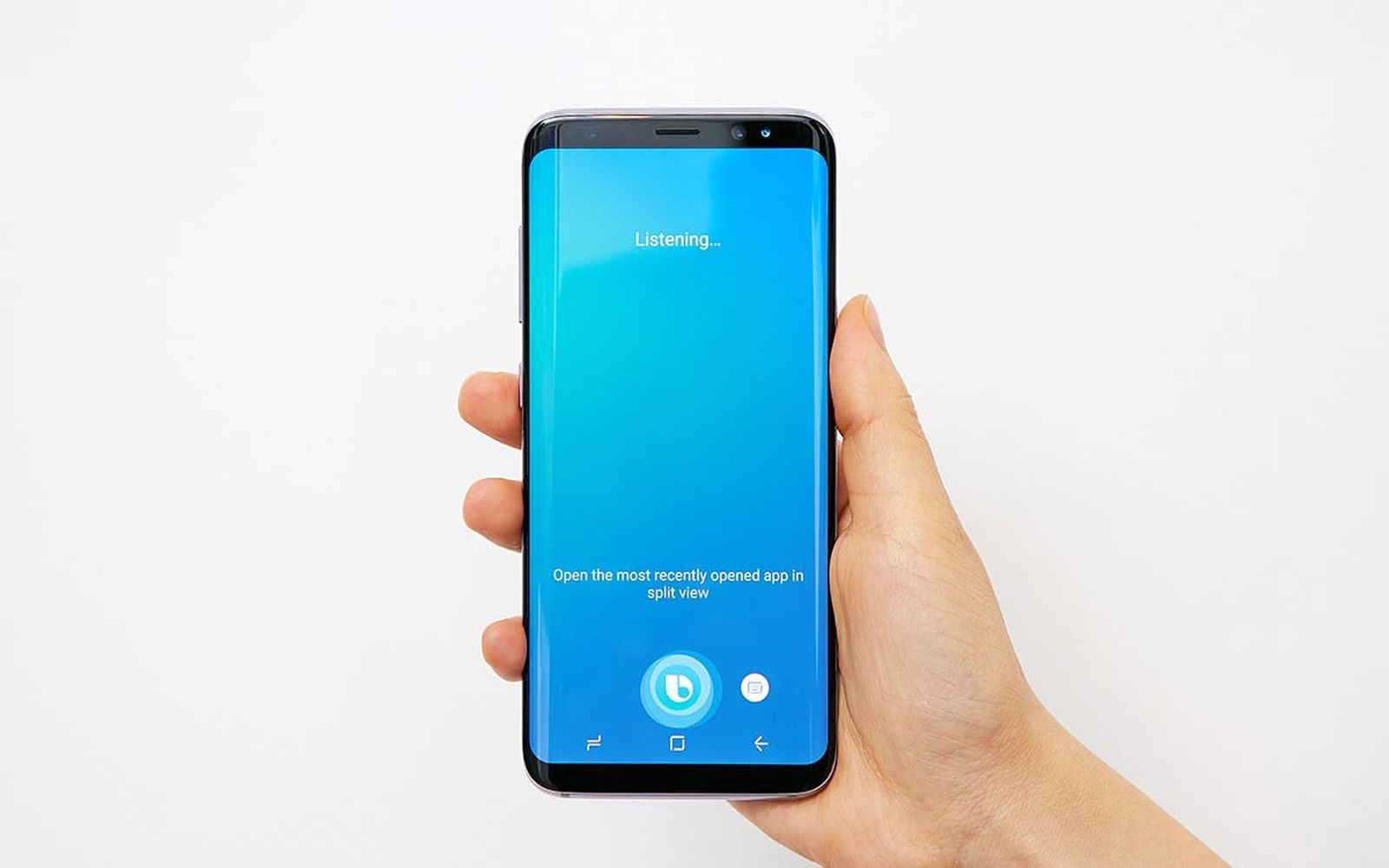
Samsung is reportedly integrating Perplexity’s AI into Bixby for the upcoming Galaxy S26, with Bixby handling on-device basics and Perplexity models used for complex reasoning and generative tasks — a split-model approach similar to Apple’s current use of on-device models plus ChatGPT. The move comes alongside Samsung’s existing deep ties to Google (Gemini features in One UI) and signals platform-level diversification among AI model providers; Apple meanwhile is delaying a more capable Siri (originally planned for iOS 18) to early next year while pursuing a cloud-based complex-reasoning model that could be ready in 2026. For investors, the story highlights competitive differentiation in handset AI experiences and expanding partnerships that may influence device appeal and AI ecosystem dynamics, but it contains no direct financial metrics.
Market structure: Platform diversification of high‑value generative models shifts bargaining power toward device OEMs that can stitch best‑of‑breed stacks, benefiting semiconductor accelerators (NVDA, QCOM) and cloud inference providers (GOOGL, AMZN) via incremental capacity demand. Expect modest pricing power for scarce on‑device NPU capacity — 5–15% ASP upside for flagship SoCs over 12–18 months — while model licensing becomes a recurring revenue stream for successful providers, compressing margins for single‑vendor incumbents.
Risk assessment: Tail risks include antitrust probes into multi‑model tie‑ups and an integration failure that dents brand trust; probability ~10–15% over 12 months with >20% EPS downside for implicated OEMs if material. Immediate (days) volatility driven by headlines and supplier rumors; short term (weeks/months) driven by pre‑order trends; long term (quarters) by retention/ARPU lift (or lack thereof) that could move smartphone revenue share by ±1–3% CAGR over 2–3 years. Hidden dependency: third‑party cloud costs and data‑privacy liabilities could flip an ARPU win into higher opex within 6–12 months.
Trade implications: Tactical overweight semiconductors and cloud infra: consider a 3–4% portfolio position in NVDA and 1–2% in GOOGL/AMZN split, funded by a 1–1.5% trim in AAPL longs. Implement options to shape risk: buy NVDA 3‑month 10% OTM call spreads sized to 1–2% portfolio, and buy 4–6 month AAPL 10–15% OTM protective put spreads sized to 1% if implied vol >20%. Enter within 2–6 weeks ahead of flagship launches; reassess at first sales data.
Contrarian angles: The market may overprice Apple downside; ecosystem stickiness can keep services ARPU stable even with Siri delays — downside capped absent execution failures. Historical parallels (voice assistant cycles 2016–2019) show limited long‑term share shifts despite headline noise; if AAPL IV >22%, selling covered calls or iron‑butterflies against small AAPL exposure is attractive. Unintended consequence: faster fragmentation raises developer costs, slowing user adoption and extending time to material ARPU gains beyond 12–18 months.
AI-powered research, real-time alerts, and portfolio analytics for institutional investors.
Request DemoOverall Sentiment
mildly positive
Sentiment Score
0.25
Ticker Sentiment
