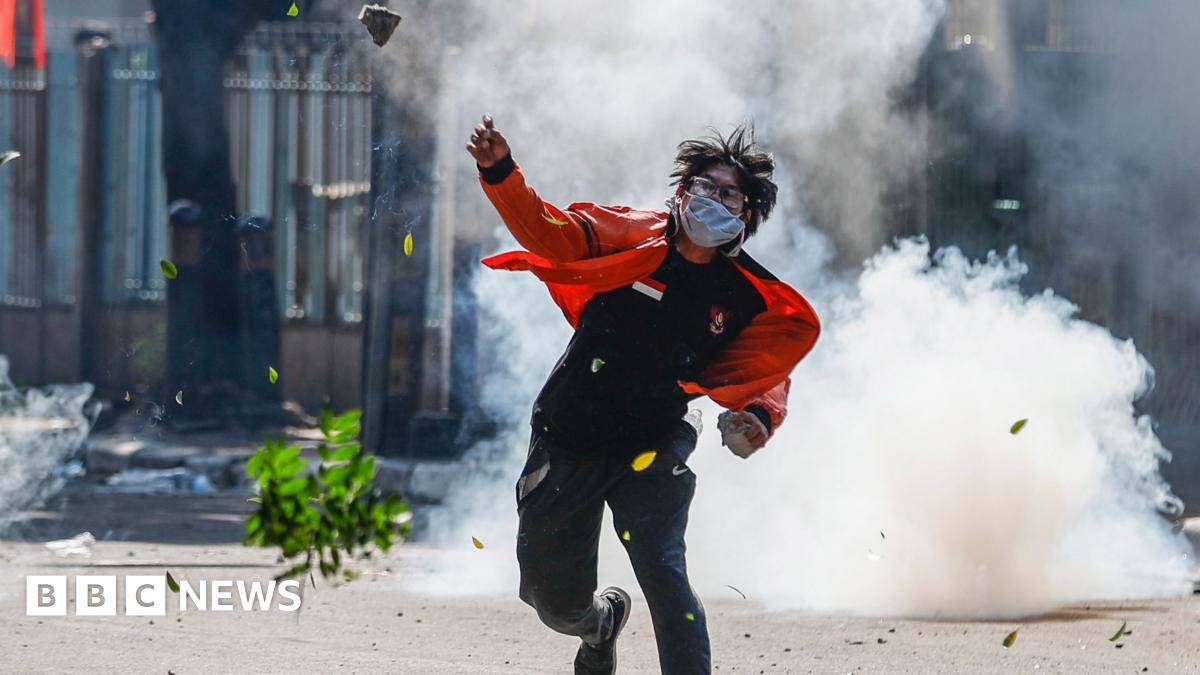
Protests in Indonesia have escalated across multiple cities, initially fueled by public discontent over job scarcity, high cost of living, and parliamentary housing allowances 10 times Jakarta's 50 million rupiah minimum wage. The demonstrations intensified significantly after a 21-year-old motorcycle taxi driver died, run over by a police vehicle, leading President Subianto Prabowo and the police chief to issue apologies and seven officers to be put on leave for ethical violations. This ongoing social unrest indicates a volatile domestic environment with potential implications for regional stability.
Significant social and political unrest is escalating in Indonesia, indicating a deteriorating domestic stability outlook. The protests, initially driven by broad economic grievances such as job scarcity, cost of living, and controversial housing allowances for MPs valued at 10 times Jakarta's minimum wage, have intensified following the death of a motorcycle taxi driver involving a police vehicle. This event has served as a powerful catalyst, transforming demonstrations into violent confrontations with police, as seen by the use of tear gas and protestors responding with fires. The government's response, including a public apology from President Subianto Prabowo and the suspension of seven officers, signals an attempt to de-escalate, but the ongoing nature of the protests suggests these measures may not be sufficient to quell public anger. The situation's "strongly negative" sentiment and "volatile" tone underscore the material risk to Indonesia's investment landscape, with potential negative impacts on currency stability, sovereign risk, and overall market confidence in this key emerging market.
AI-powered research, real-time alerts, and portfolio analytics for institutional investors.
Overall Sentiment
strongly negative
Sentiment Score
-0.60
