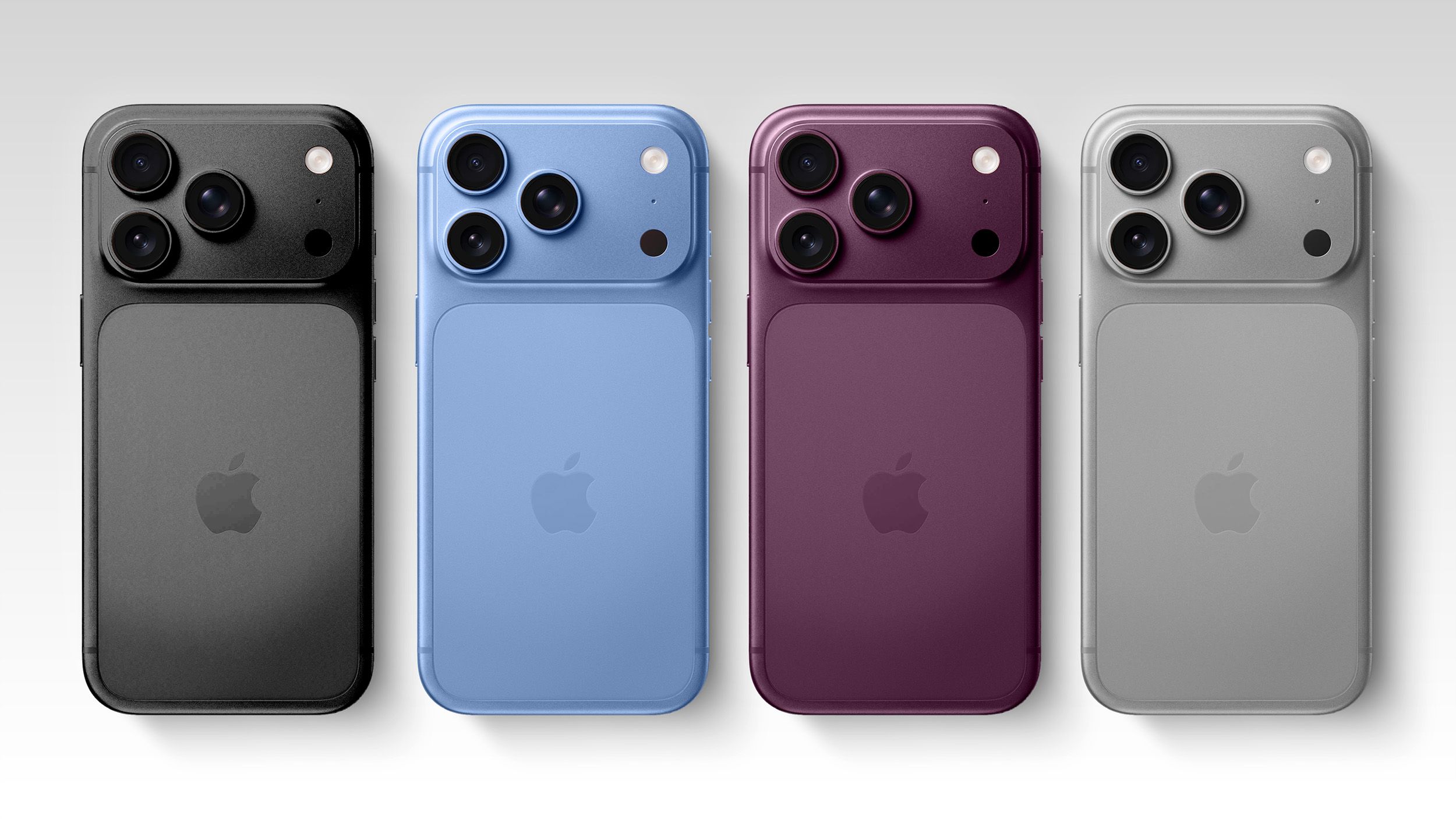
Apple may use the RAM shortage to support an aggressive pricing strategy for the iPhone 18 Pro and iPhone 18 Pro Max, according to analyst Jeff Pu. He previously said starting prices could be unchanged or only slightly higher versus the iPhone 17 Pro lineup, which starts at $1,099 for the Pro and $1,199 for the Pro Max in the U.S. The article also highlights Apple’s leverage over suppliers and several rumored hardware upgrades ahead of a September launch.
This is less a pure handset story than a margin-squeeze redistribution trade: Apple is better positioned than Android OEMs to absorb memory inflation without sacrificing end-demand because it can shift the burden across its ecosystem via component mix, services attachment, and financing. The second-order winner is likely the premium-storage / premium-margin segment of the supply chain, while mid-tier Android vendors face a worse trade-off between price and spec just as consumers are becoming more value sensitive. If Apple holds line on headline pricing, it can widen relative affordability on a total-cost-of-ownership basis versus flagship Androids that are already being forced to reprice.
The bigger underappreciated variable is not whether Apple can source memory, but whether it uses the launch to protect gross margin versus to steal share. If it keeps launch pricing stable while improving perceived spec/features, the near-term signal is bullish for unit mix and ASP resilience into the holiday quarter; if it instead nudges prices up, the market will likely read that as evidence the memory shock is more durable than expected. The impact window is months, not days: the earnings implication shows up first in gross margin commentary, then in build plans for the next two cycles.
The contrarian risk is that investors may be underestimating how much of Apple’s pricing power is already embedded in expectations. A neutral-to-slightly-higher launch price could disappoint if the market has already priced an aggressive share-grab, especially given that memory cost pressure is a broader industry issue and could cap enthusiasm for a clean margin beat. The better tell will be supplier commentary over the next 1-2 quarters: if Android OEMs keep passing through costs faster than Apple, Apple’s relative positioning improves; if memory costs stabilize quickly, the thesis loses urgency.
AI-powered research, real-time alerts, and portfolio analytics for institutional investors.
Request DemoOverall Sentiment
mildly positive
Sentiment Score
0.20
Ticker Sentiment
