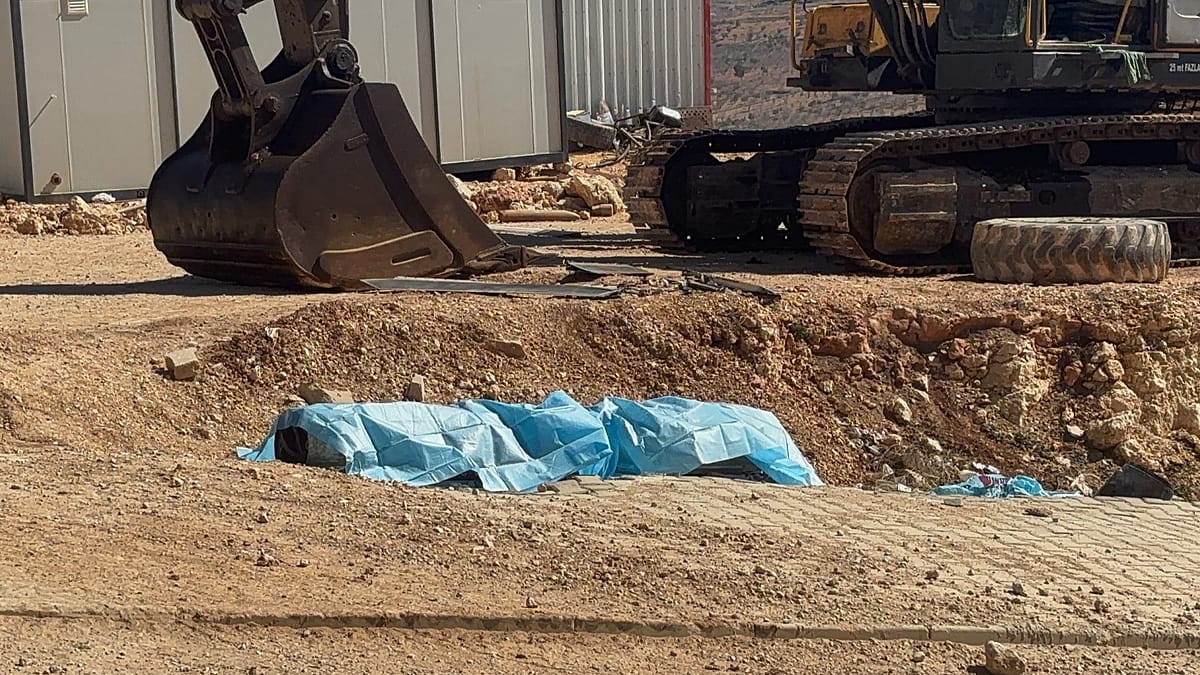
Two Iranian ballistic missiles entered or headed toward Turkish airspace and were intercepted for the second time in under a week, prompting Turkey to summon Iran's ambassador. NATO has raised its security posture, affirmed readiness to defend allies but says it is not a party to the conflict; the US maintains a presence at Incirlik airbase. Elevated regional tensions increase risk-premia for defense names and commodity/energy markets if further escalation occurs.
This episode is less a one-off kinetic event than a demand shock for integrated air-and-missile-defense (IAMD) logistics and replenishment. Expect emergency buys and accelerated deliveries for interceptors, seekers, and radar upgrades to be pushed into 3–12 month procurement windows; component suppliers with sub-18 month lead times (rocket motors, IR/EO seekers, phased-array radar modules) will see pricing power before full program awards are signed.
Second-order winners are the sustainment/logistics vendors and regional basing contractors that service forward-deployed footprints — not just the headline primes. Reposturing assets and increased sortie rates raise recurring services revenue (training, spare parts, depot work) that compounds over quarters, creating a multi-quarter uplift even if large procurement contracts are delayed.
Catalysts that will re-rate or reverse the move are binary and fast: visible NATO procurement announcements or tranche orders will materialize upside within weeks; diplomatic de-escalation or domestic political pushback in key NATO capitals will compress the premium within days. Tail risk — a broader alliance-level engagement — remains low probability but creates non-linear downside for risk assets and forces safe-haven flows; position sizing must reflect this asymmetric event risk.
AI-powered research, real-time alerts, and portfolio analytics for institutional investors.
Request DemoOverall Sentiment
mildly negative
Sentiment Score
-0.35
