







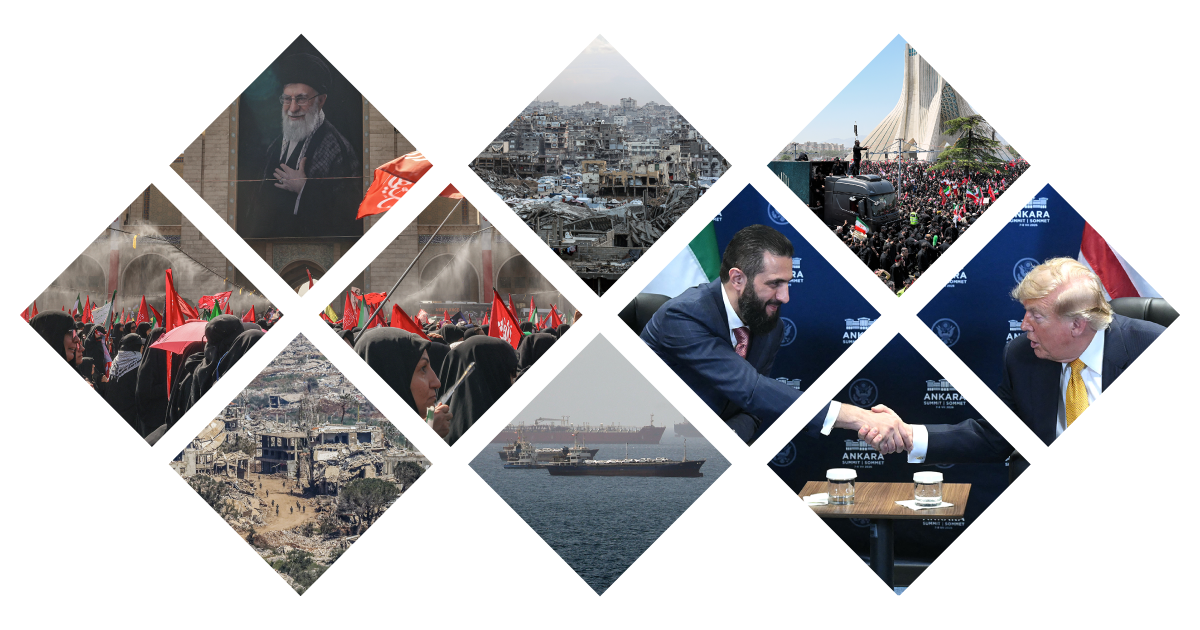
Iran-driven disruptions through the Strait of Hormuz are intensifying: the article cites nearly 3,000 drones/ballistic missiles aimed at the UAE, with at least 13 deaths and “billions of dollars” in damage, and notes Hormuz-linked shipping risk is keeping insurance costs elevated even after normalization. Brent surged to $126.41/bbl in April (from $72.48 the day the war began), while producers at one point cut output by at least 10 million bpd (~10% of global supply); Qatar’s March 18 Ras Laffan strike damaged LNG trains representing ~17% of export capacity. In response to ongoing strikes, Trump said the US will reinstate its blockade on Iranian ships transiting Hormuz and impose a 20% levy on other cargo—raising odds of further trade/logistics and downstream commodity pressure.
The market is still underestimating the persistence of the security premium. Even if headline crude fades, recurring disruption risk through Hormuz tends to show up first in freight, marine insurance, inventory carry, and working-capital needs — a slower, stickier inflation impulse than the spot oil tape. That favors upstream energy cash flows, select LNG/export infrastructure, and defense-linked industrials, while it quietly compresses margins for airlines, chemical producers, and import-heavy retailers over the next 1-3 months.
The more important second-order effect is route redesign. Once shippers and insurers start treating Hormuz as a structural risk, trade rerouting and destination diversification become sticky, which means elevated cost of goods can persist for quarters even without a fresh spike in Brent. That creates an asymmetric setup: energy equities may not need another leg up in oil to outperform, but consumer cyclicals and transport names can still de-rate if inflation expectations re-accelerate or if fuel hedging proves inadequate.
Contrarian view: consensus may be anchoring on a one-off escalation/reversal cycle, but the regime shift is in navigation credibility and policy credibility. If diplomacy truly stabilizes the corridor, the trade unwinds fast; if not, the tail risk is not just higher oil, but a broader risk-off repricing in global cyclicals and EM importers. The best falsifier is a sustained Brent print back below ~$75 alongside normalizing tanker insurance and freight rates; absent that, the security premium should remain embedded.
AI-powered research, real-time alerts, and portfolio analytics for institutional investors.
Request TrialOverall Sentiment
moderately negative
Sentiment Score
-0.55
Ticker Sentiment
