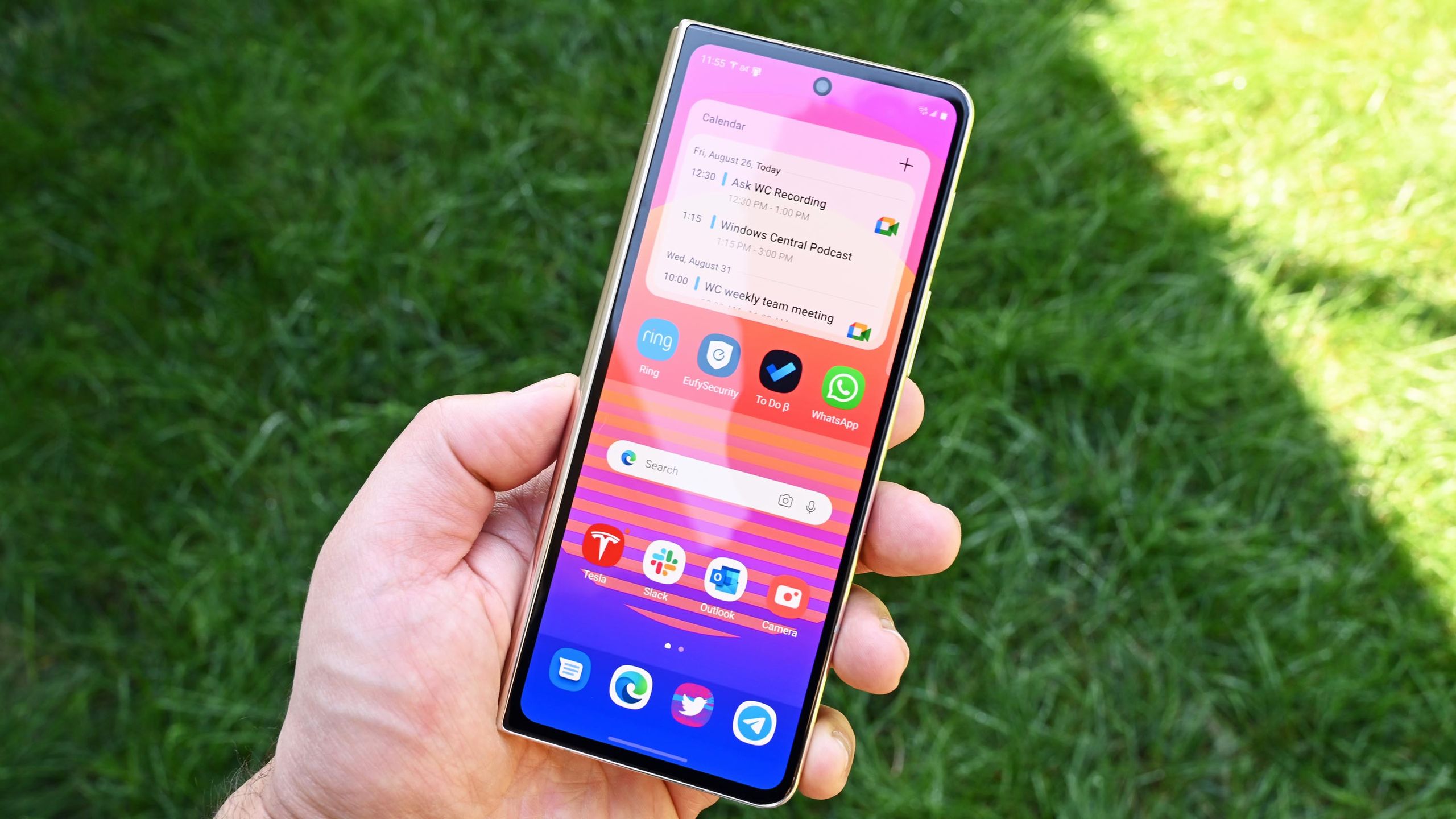
Starting September 30, 2026, Samsung Galaxy phones will stop syncing photos to OneDrive through the Samsung Gallery app, ending the default cloud-backup integration that has existed since 2019. Existing photos will remain available in the OneDrive app or on the web, but users must switch to Samsung Cloud or manually enable backups in the OneDrive app to continue auto-syncing. The change is a product integration shift rather than a financial event, with limited direct market impact.
The immediate market read is not about lost revenue at Microsoft; it is about Samsung reasserting control over a high-engagement device surface. The deeper implication is that cloud backup is becoming a retention lever inside OEM ecosystems, which raises the cost of being a neutral provider and increases the value of owning both the device and the cloud layer. For MSFT, this is a small near-term negative in consumer cloud attach, but it also reduces the visibility of OneDrive as a default habit on premium Android phones, a dynamic that matters more for long-run share than for FY26 revenue.
The second-order risk is churn in the consumer bundle: if Samsung pushes its own backup service aggressively, users will likely default to the path of least resistance even if the quality is inferior. That can weaken Microsoft’s role as the “invisible” storage layer in mobile and modestly pressure engagement-driven upsell into Microsoft 365 over the next 2-4 quarters. The offset is that the standalone OneDrive app preserves optionality, so the economic damage is more about acquisition friction than outright loss of data or paid storage capacity.
From a competitive standpoint, this is a reminder that platform partnerships can unwind quickly when one side decides the data moat is strategic. That favors vertically integrated ecosystems and makes third-party cross-platform software less sticky at the margin. The contrarian angle is that this may be slightly overread as a Microsoft negative: because the backup continues through the app, the practical impact is likely a one-time UX annoyance rather than a major behavioral reset, and any selloff in MSFT should fade unless broader mobile engagement metrics deteriorate.
The event is more relevant as a signal for future partner risk than as a standalone earnings catalyst. If Samsung’s cloud push gains traction, the bigger loser may be the general category of independent consumer cloud services, especially those relying on OEM defaults rather than paid intent. Over 6-12 months, watch whether Microsoft responds by bundling OneDrive more aggressively into mobile-first Microsoft 365 offers or by deepening other Android integrations to preserve distribution.
AI-powered research, real-time alerts, and portfolio analytics for institutional investors.
Request DemoOverall Sentiment
neutral
Sentiment Score
-0.05
Ticker Sentiment
