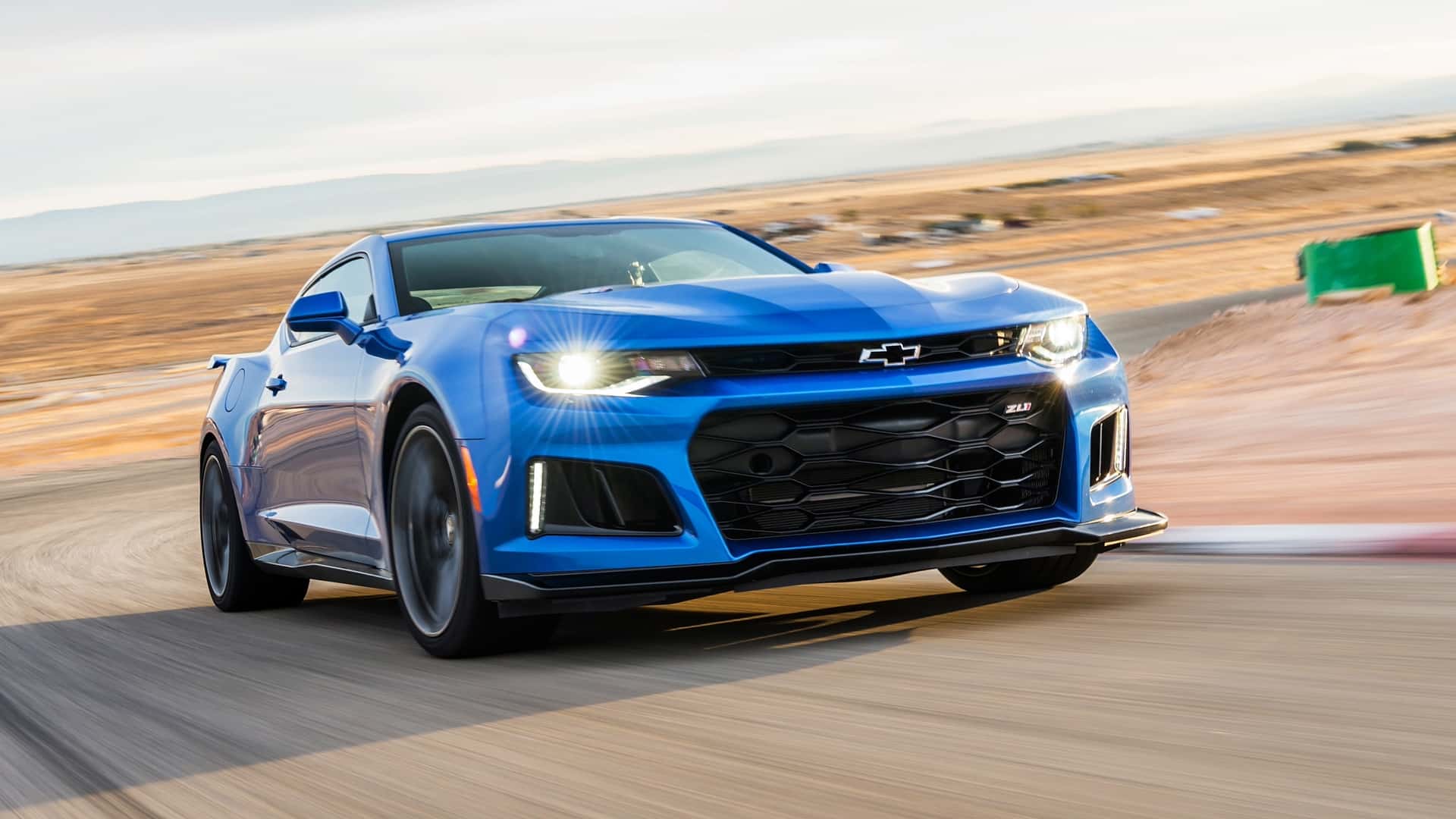
Production for a rumored seventh-generation Chevrolet Camaro and next-generation Cadillac CT5 is expected to start in fall 2027, with an Automotive News source projecting combined volumes of 60,000–70,000 units. The Camaro is said to share the CT5 platform and potentially underpin a new Buick sedan, allowing GM to spread development costs and make a 2028 Camaro commercially viable; production would likely occur at GM's Grand River Assembly in Lansing, MI. The report is based on a supplier source and remains unconfirmed, so immediate financial impacts on GM are limited.
Platform consolidation is a financial lever, not a product decision: spreading fixed R&D and stamping/retooling costs across multiple derivatives materially cuts the breakeven volume for niche derivatives. That implies suppliers and Tier-1 integrators will see larger, lumpier order windows rather than steady incremental content growth — order cadence will concentrate in a 12–18 month ramp period and then drop to sustainment, creating volatile cash flow for smaller vendors.
Regulatory and powertrain trajectories are the underpriced tail risk. To keep a performance halo viable without punitive compliance costs, expect hybridization of high-torque variants or selective emissions offsets rather than full ICE continuity; that increases per-unit bill-of-materials complexity and raises supplier mix toward electrical subsystems, testing the economics of the shared-ICE thesis.
On dealer and aftermarket dynamics, halo cars historically lift showroom traffic and used‑car price floors for adjacent segments, which can flow through to higher F&I revenue and spare-parts volumes for several years post-launch. However, the revenue upside is front-loaded: if the vehicle is a low-volume halo, the market will prize margin per unit over absolute volume, so investor re-rating depends on demonstrated ASP and warranty trends during the first 2–3 retail cycles.
AI-powered research, real-time alerts, and portfolio analytics for institutional investors.
Overall Sentiment
mildly positive
Sentiment Score
0.25
Ticker Sentiment
