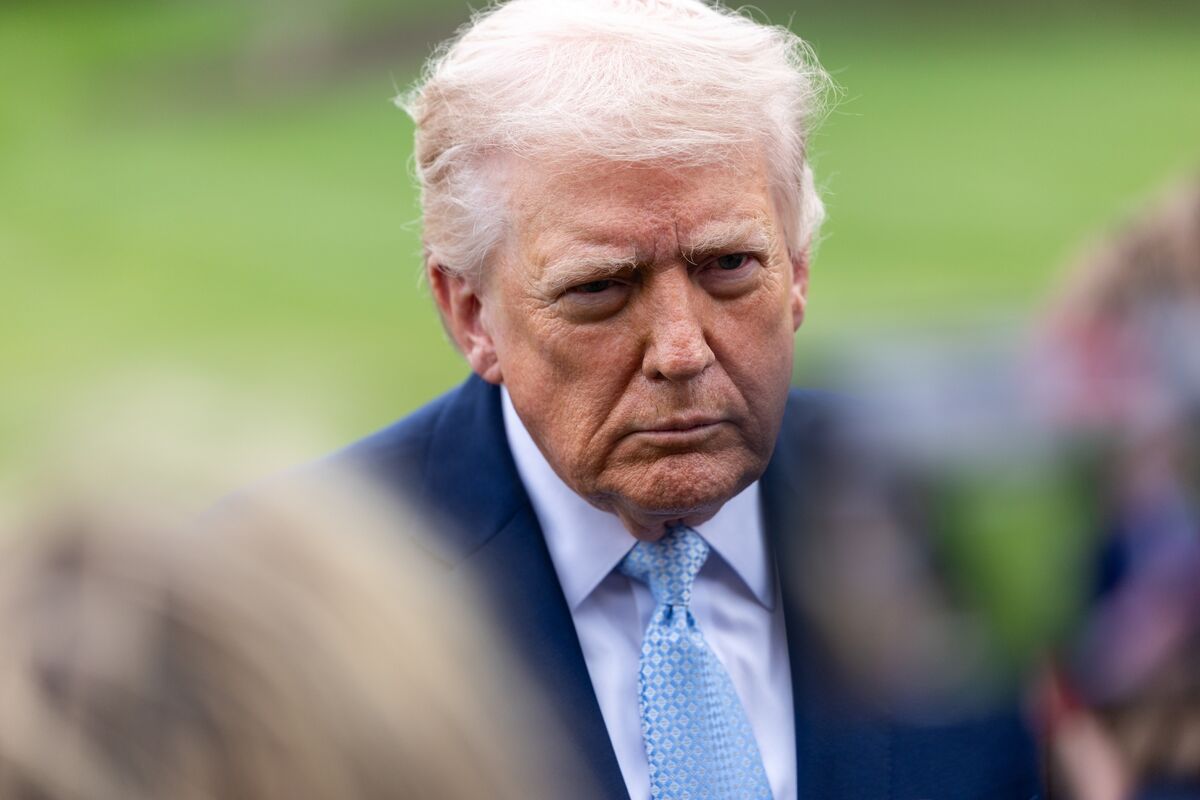
The conflict entered its fourth week: President Trump said he is considering 'winding down' US military efforts against Iran but ruled out a ceasefire and left open the possibility of deploying ground troops. The war has roiled financial markets and driven energy prices sharply higher, prompting the US Treasury to unsanction some Iranian oil. Continued operational uncertainty and mixed political signals create sustained downside risk for risk assets and keep energy-market volatility elevated.
Policy signalling volatility is amplifying option-implied skew in energy and defense-related names, pushing short-dated volatility ~30-40% above where realized vol typically trades in calm periods. That creates an expensive front-month hedge market but cheapens calendar spreads: a layered approach (short-dated protection, longer-dated options for directional exposure) is more capital efficient than outright spot exposure.
Shipping and logistics frictions are the overlooked transmission mechanism: war-risk premiums, re-routing time, and bunker fuel add an effective per-barrel delivery cost (order of magnitude: $0.5–$2.0/bbl and 5–10 additional sailing days for major re-routes), which compresses arbitrage windows and boosts tanker TCEs and storage economics. Market participants who control physical logistics or charter capacity can extract outsized cashflows even if headline oil prices mean-revert.
Sanctions policy reversals or tactical exemptions—if they occur—act like incremental supply injections but with sticky counterparty and insurance frictions, so the full global flow restoration can lag by weeks-to-months. Conversely, a sharp escalation that threatens chokepoints would produce non-linear outcomes: crude shocks measured in $15–30/bbl moves within days and immediate realignment of freight, insurance, and trade credit.
Investor positioning is currently asymmetric: long energy cyclicals and short volatility is crowded; defense procurement exposure is under-owned relative to the policy risk premium due to a multi-quarter realization lag. This favors concentrated, liquidity-aware trades that capture convexity in freight/security while limiting tail losses from a rapid diplomatic unwind.
AI-powered research, real-time alerts, and portfolio analytics for institutional investors.
Overall Sentiment
mildly negative
Sentiment Score
-0.30
