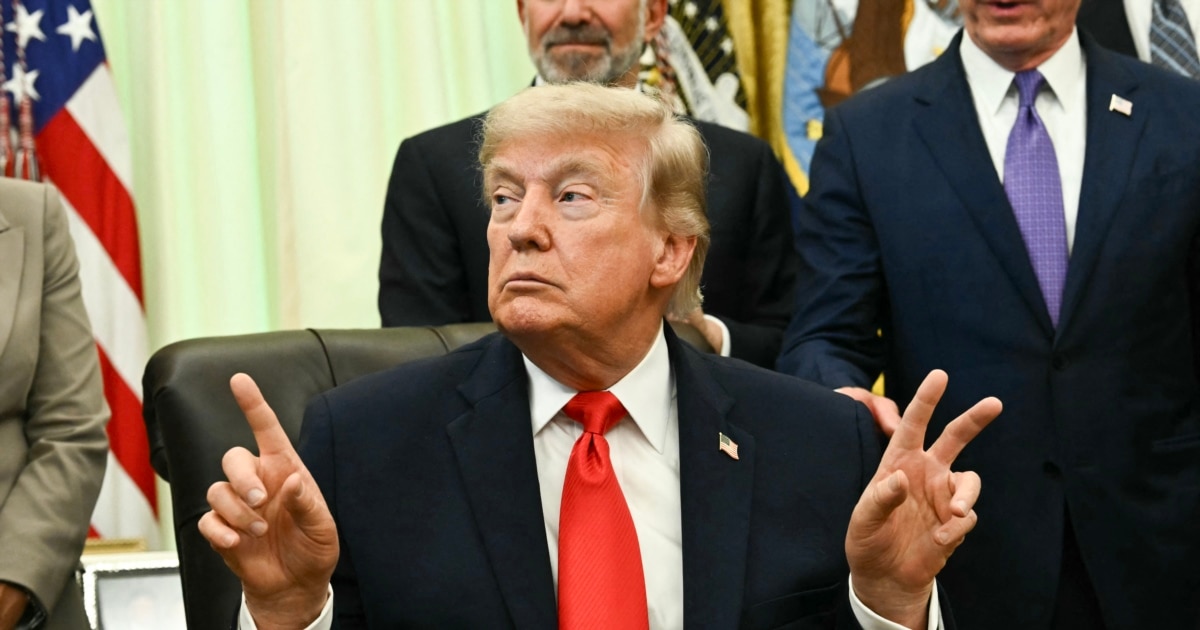
Trump heads into the June 16-18 G7 summit in France with Ukraine, Iran, trade, and AI on the agenda, while the near-total closure of the Strait of Hormuz continues to threaten global energy and shipping flows. US officials say they are pursuing talks with Qatar, the UAE, Egypt, and others on Gaza, Iran, and regional stabilization, with a possible framework involving reopening the strait and coordinated demining. The summit could materially affect geopolitics and energy markets, especially if tensions with Iran escalate or de-escalate further.
The market is likely underpricing how quickly a Hormuz reopening would transmit into global disinflation, but overpricing the durability of any détente. The first-order move is obvious in energy, but the second-order effect is a relief rally in transport, airlines, chemicals, and European cyclicals if freight and feedstock costs reset over a 2-8 week window. Conversely, any failure at the summit that keeps maritime risk elevated should preserve a bid for defense, cyber, and energy-security spend while pressuring shippers with Middle East exposure.
The more interesting dynamic is that alliance coordination itself can become a tradable input. If Washington signals burden-sharing on NATO and Gulf stabilization, European defense primes may benefit less from headline war risk than from a ratcheting of procurement urgency and inventory rebuilds over the next 2-4 quarters. On the flip side, US asset-light suppliers tied to AI infrastructure and supply-chain resilience could see incremental capex support if the G7 uses the summit to frame strategic industrial policy as anti-fragility rather than pure stimulus.
The contrarian read is that a near-term peace framework, if credible, could produce a sharp but temporary unwind in geopolitical hedges while leaving structural risk premium intact. Markets may be too focused on headline cease-fire odds and not enough on the operational lag: demining, insurance repricing, port rerouting, and inventory normalization would take weeks to months, so the trade is not simply 'risk-off to risk-on' but a staged rotation. That creates a window where suppressed volatility across oil and freight could be monetized even if the summit headlines are constructive.
The tail risk is a failed diplomatic signal that coincides with renewed attacks on shipping or another miscalculation around Iran, which would reprice transport and inflation expectations within days and likely push rate-cut odds out by 1-2 meetings. In that scenario, the biggest losers are import-dependent industrials and consumer discretionary names with thin margins and long logistics chains. The biggest winners are defense, energy services, and select maritime security providers, but only if the escalation is contained rather than fully regionalized.
AI-powered research, real-time alerts, and portfolio analytics for institutional investors.
Request DemoOverall Sentiment
mildly negative
Sentiment Score
-0.15
