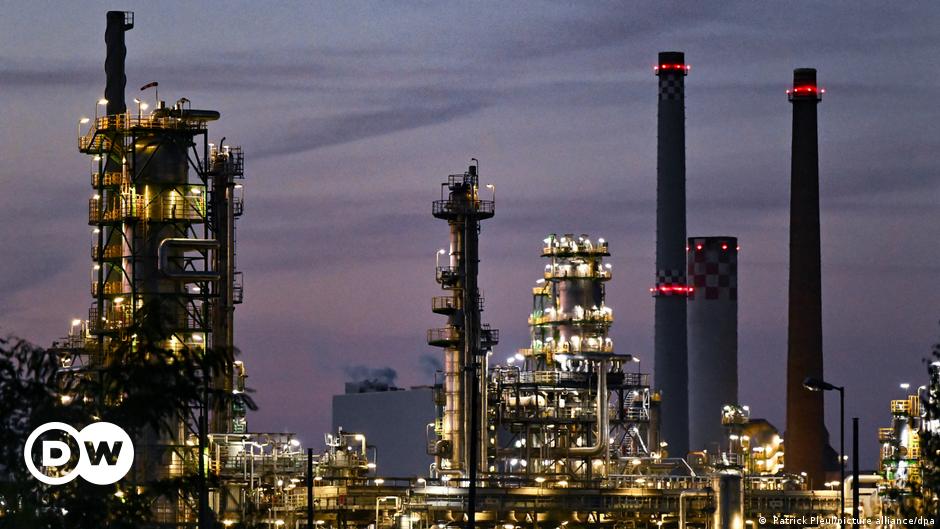
Russia plans to halt Kazakh crude transit to Germany via the Druzhba pipeline from May 1, 2026, threatening about 17% of the PCK Schwedt refinery’s annual throughput. The refinery supplies over 90% of Berlin and the surrounding region’s petrol, diesel and heating fuel, though German officials say alternative routes should prevent a broader supply disruption. The move adds another geopolitical risk to Europe’s already tight energy backdrop amid ongoing oil-market stress.
This is less about one refinery than about how quickly Europe’s product system can absorb a politically induced micro-disruption while already running tight on middle distillates. The immediate market implication is not a crude shock but a localized diesel/jet-product squeeze in Northwest Europe, where incremental alternative barrels are likely to clear at a premium and widen prompt crack spreads even if Brent itself barely moves. That makes the first-order beneficiaries refined-product exporters and storage/logistics assets, not upstream producers.
The second-order effect is that a small flow interruption can force a higher-cost routing of crude and product into Germany, which raises delivered economics for Baltic, Dutch, and Polish supply chains and can temporarily lift regional freight and blending margins. If the refinery runs below optimal utilization for weeks, it tightens product availability into summer travel season, amplifying kerosene sensitivity well beyond the original volume loss. The real tail risk is not absolute German shortages; it is a repeatable precedent that Russia can still create localized energy stress through transit leverage, keeping a risk premium embedded in European distillates for months.
The consensus may underappreciate how little volume is needed to move the wrong part of the curve when inventories are already not comfortable. If the Druzhba cutoff becomes permanent, the most probable market response is a slower grind higher in European diesel and jet cracks rather than a one-day headline spike, because traders will need proof that alternative flows can be re-optimized at scale. That argues for treating any initial dip in German industrial exposure as a buying opportunity unless the disruption coincides with broader product outages or new sanctions escalation.
For tradable risk, the cleanest expression is long European refining margin exposure against broad European equities: the setup favors companies with export optionality and product complexity, while domestic German chemical/industrial names face higher energy input sensitivity. A tactical long in European refiners versus a short in a Germany-heavy industrial basket offers better risk/reward than a crude beta trade, since the event is about product scarcity and logistics, not global supply destruction.
AI-powered research, real-time alerts, and portfolio analytics for institutional investors.
Request TrialOverall Sentiment
moderately negative
Sentiment Score
-0.45
Ticker Sentiment
