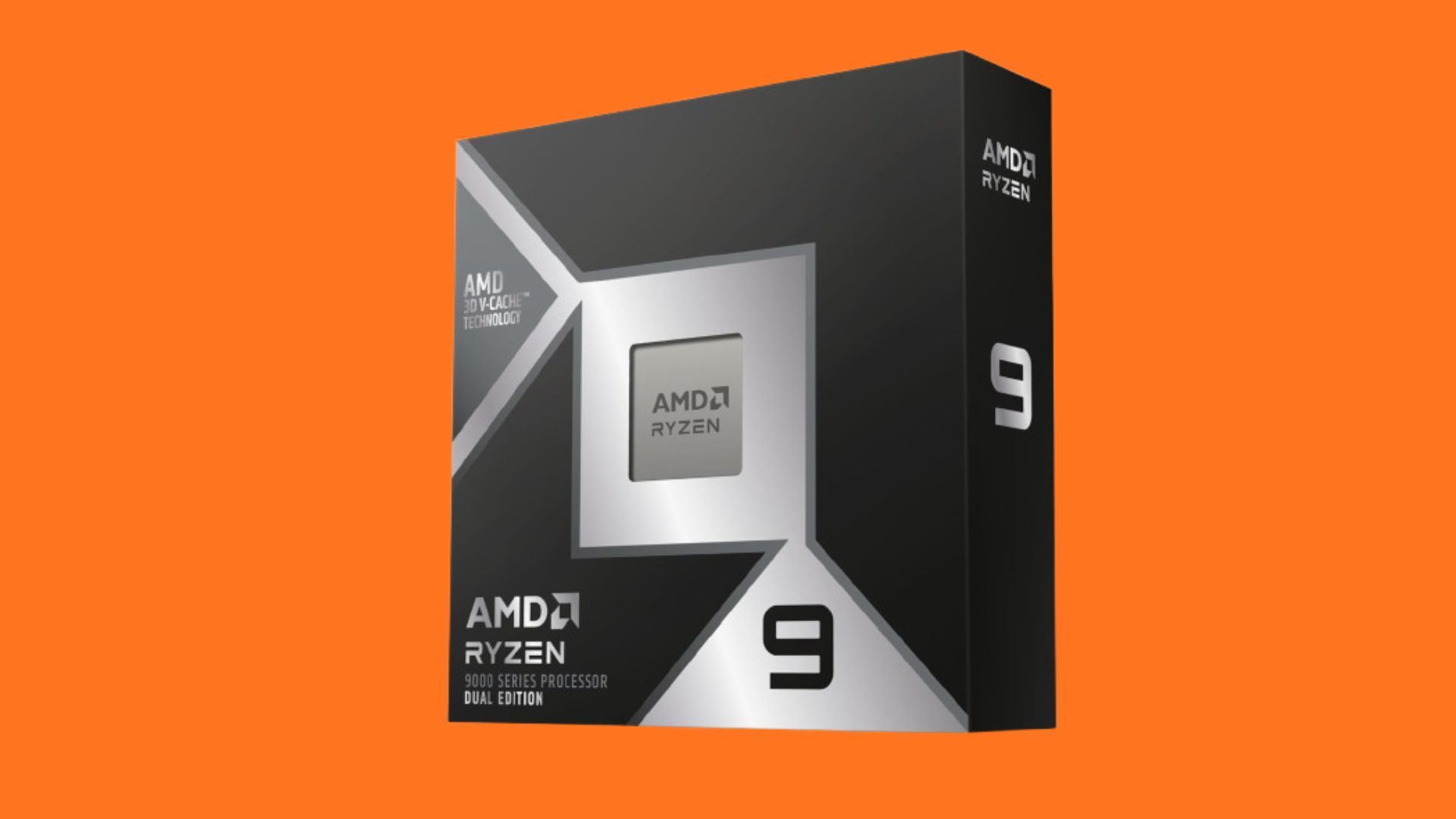
AMD's Ryzen 9 9950X3D2 has launched at a $899 MSRP and is now listed at Amazon and Newegg, with availability also expected at Best Buy, B&H Photo, and AMD directly. The chip features 16 cores, 32 threads, 192MB of L3 cache, dual 3D V-cache CCDs, and a 200W TDP, positioning it for high-end multi-threaded workloads rather than pure gaming value. The article is primarily a retail availability update, so the likely market impact is modest.
This is less a standalone CPU launch than a signal that AMD is pushing the enthusiast/workstation stack higher up the value curve, where software buyers care about throughput per socket rather than headline gaming benchmarks. The second-order implication is mix: every incremental unit sold at this tier should carry meaningfully better gross profit than mainstream Ryzen, while also reinforcing platform stickiness for AM5 motherboards, DDR5, and premium cooling vendors. That matters because high-end launches tend to pull forward ecosystem spend even when unit volumes are modest.
The competitive read-through is more interesting for Intel than for AMD's direct revenue line. A dual-cache, multi-threaded flagship strengthens AMD's moat in creator and prosumer workloads, which are the segments most likely to justify a premium and upgrade on shorter refresh cycles; Intel's response likely needs to be architectural, not pricing-based, because discounting alone doesn't close a core-efficiency or platform story. If this product is well received, the bigger risk for Intel is not immediate share loss in gaming, but erosion in workstation mindshare that then bleeds into OEM design wins over the next 2-4 quarters.
Retail and channel effects look mildly positive for Amazon and Best Buy in the near term, but the real signal is that supply appears controlled rather than scarce. That reduces the odds of a speculative aftermarket spike, which caps the launch-day hype trade and makes this more of a steady sell-through story than a squeeze event. The contrarian angle is that pricing may be rich enough to limit attach rates; if buyers conclude the premium is only justified for render/encode-heavy workloads, AMD could end up with prestige but not volume, limiting incremental upside to the stock.
The main catalyst to watch over the next 30-90 days is benchmark validation in creator pipelines, not gaming charts. If early reviews translate into OEM workstation adoption or bundle momentum at Micro Center-style channels, the story can broaden from niche enthusiast to channel-driven ASP expansion; if not, it remains a halo product with limited financial leverage. The downside risk is simple: any sign of inventory buildup or faster-than-expected price erosion would indicate the premium tier is saturating faster than expected, which would be bearish for margin optimism.
AI-powered research, real-time alerts, and portfolio analytics for institutional investors.
Request TrialOverall Sentiment
neutral
Sentiment Score
0.12
Ticker Sentiment
