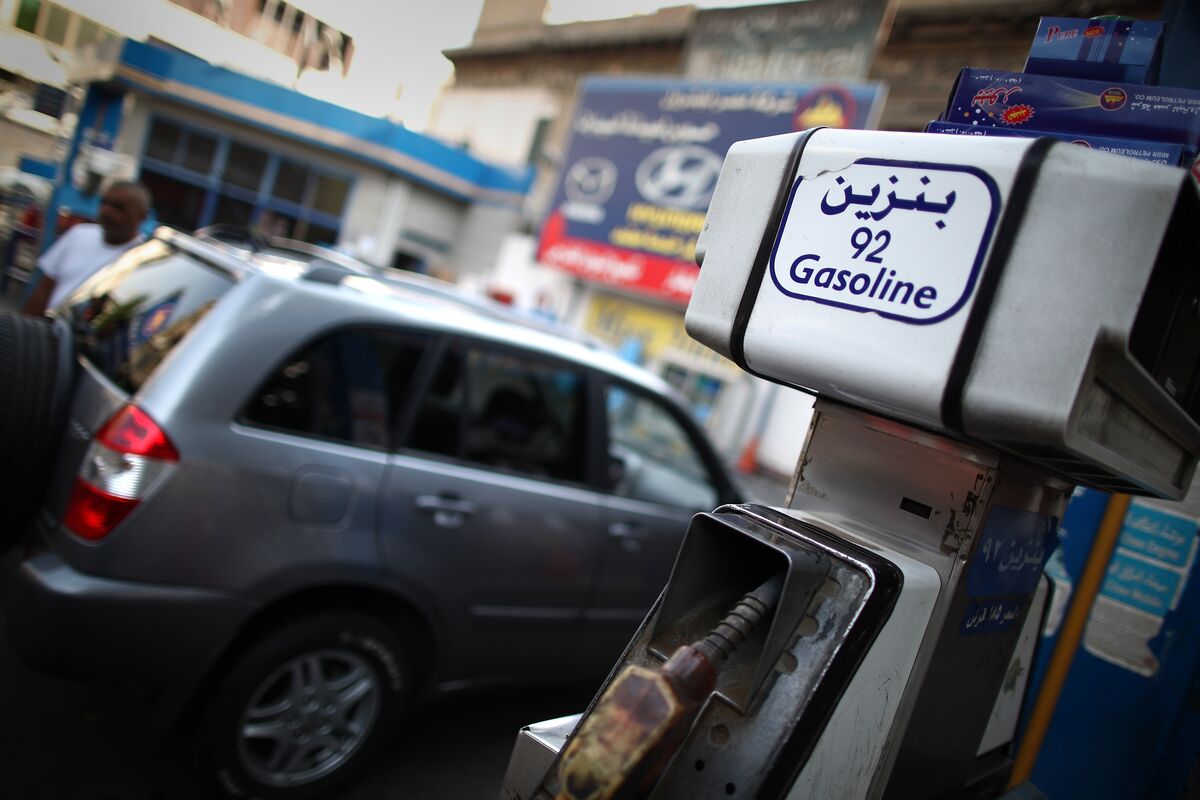
Egypt has increased fuel prices by as much as 13%, including a nearly 13% hike for diesel to 17.5 Egyptian pounds per liter, effective Friday. This move is a critical component of an IMF-led bailout program, aimed at trimming state subsidies and advancing the country's economic reform agenda, with potential implications for inflation and government fiscal health.
Egypt has implemented significant fuel price increases, with diesel rising by nearly 13% to 17.5 Egyptian pounds ($0.37) per liter and gasoline types increasing between 10.5% and 12.7%. This action, effective Friday, is a direct component of an International Monetary Fund (IMF)-led bailout program, specifically aimed at reducing state subsidies. The oil ministry has stated these prices will remain stable for at least one year.
This subsidy reduction is critical for improving Egypt's fiscal health and advancing its economic reform agenda, aligning with the 'Fiscal Policy & Budget' and 'Sovereign Debt & Ratings' themes. While essential for securing IMF support and potentially enhancing sovereign creditworthiness, the move carries inherent inflationary risks, reflected in the 'mixed' sentiment.
The moderate market impact score of 0.6 underscores the significance of this policy shift within the 'Emerging Markets' context. Such reforms are often prerequisites for international financial assistance, signaling a commitment to fiscal discipline. However, the immediate impact on domestic purchasing power and potential social stability remain key considerations for investors monitoring the region.
AI-powered research, real-time alerts, and portfolio analytics for institutional investors.
Request DemoOverall Sentiment
mixed
Sentiment Score
-0.10
