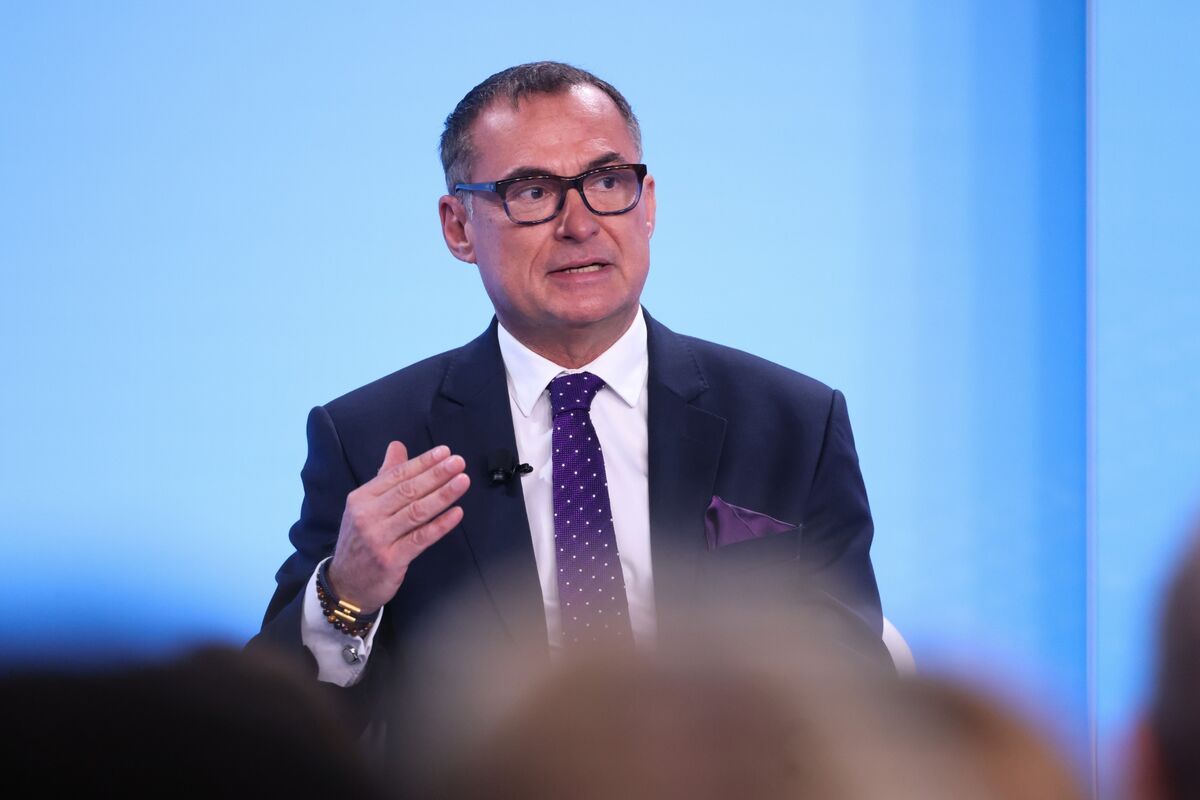
ECB Governing Council member Joachim Nagel stated that the central bank has brought inflation into 'calmer waters,' but warned against complacency due to the highly volatile geopolitical backdrop. He specifically cited recent energy price fluctuations stemming from the Israel-Iran conflict as an example of ongoing risks, underscoring the need for continued vigilance despite progress on price stability.
European Central Bank Governing Council member Joachim Nagel has articulated a cautiously optimistic view on the Eurozone's inflation outlook, stating that price pressures are in 'calmer waters.' However, this progress is heavily caveated by a warning against complacency, rooted in the highly volatile geopolitical environment. Nagel specifically cited the recent fluctuations in energy prices, driven by the conflict between Israel and Iran, as a primary source of risk that necessitates continued vigilance from the ECB. This dual message, reflected in the mixed sentiment score and cautious tone, suggests that while the central bank acknowledges its success in curbing inflation, its future monetary policy decisions will remain data-dependent and highly sensitive to external shocks. The emphasis on geopolitical factors as a key variable indicates that the path for future rate adjustments may not be straightforward and could be subject to sudden reassessment based on international events affecting energy markets.
AI-powered research, real-time alerts, and portfolio analytics for institutional investors.
Request DemoOverall Sentiment
mixed
Sentiment Score
0.00
