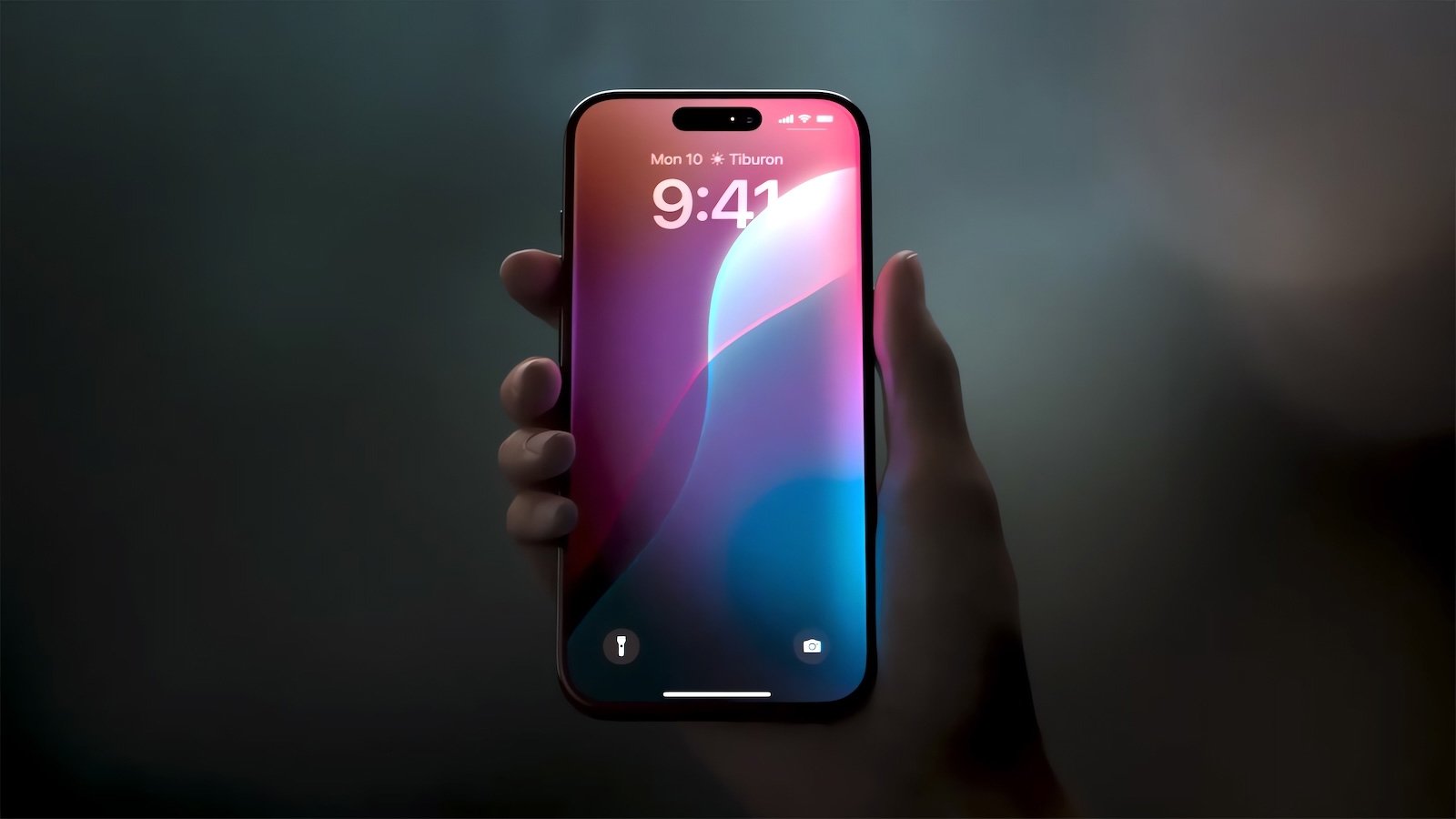
Apple issued out-of-band security updates on April 22, 2026 to fix CVE-2026-28950, a Notification Services flaw affecting iPhone and iPad that could leave deleted notifications stored on-device. The issue is notable because it may have preserved Signal message content in iOS notification storage even after deletion, prompting Signal to thank Apple for the quick patch. Apple did not say the flaw was exploited, and users are advised to update immediately.
This is less a one-off patch story than a reminder that Apple’s notification layer is part of the attack surface for end-to-end encrypted apps, and that “deleted” on-device data can still be monetizable in forensic workflows. The immediate commercial read is slightly positive for AAPL’s trust premium: Apple moved quickly and quietly, which should reduce headline risk versus letting a privacy narrative fester into a broader platform concern. But the larger implication is that any app relying on iOS notifications for message previews now faces a product-design tax: richer alerts improve engagement, yet they also create a latent persistence problem that competitors and litigants can exploit.
The second-order risk sits with privacy-first messaging and security vendors, not Apple. If corporate/security-conscious users conclude that notification content is a durable residue on-device, admins will tighten MDM policies, disable previews, or push users toward thinner notifications—reducing one of the main drivers of cross-app engagement and re-open rates. That is a small but real headwind for apps whose growth depends on notification-driven reactivation, and it could pressure the broader ecosystem to trade convenience for security over the next 1-2 quarters.
The contrarian point is that this may ultimately be net bullish for Apple’s ecosystem lock-in: the fix reinforces that Apple can adjudicate privacy failures at the OS level faster than app developers can. In other words, the event validates the premise that sensitive communications are safer inside a tightly controlled platform than on fragmented Android alternatives, which supports Apple’s premium multiple more than it hurts it. The market may underappreciate how quickly this kind of patching narrows the reputational gap after a privacy scare, limiting sustained downside unless there is evidence of widespread exploitation.
Catalyst-wise, the key near-term variables are whether forensic details emerge and whether enterprise customers revise notification policies. If the issue is shown to have been used operationally in law-enforcement or corporate investigations at scale, the headline risk broadens into a multi-week privacy debate; absent that, the trade should fade within days as attention rotates back to Apple’s product cycle and services narrative.
AI-powered research, real-time alerts, and portfolio analytics for institutional investors.
Request TrialOverall Sentiment
neutral
Sentiment Score
0.10
Ticker Sentiment
