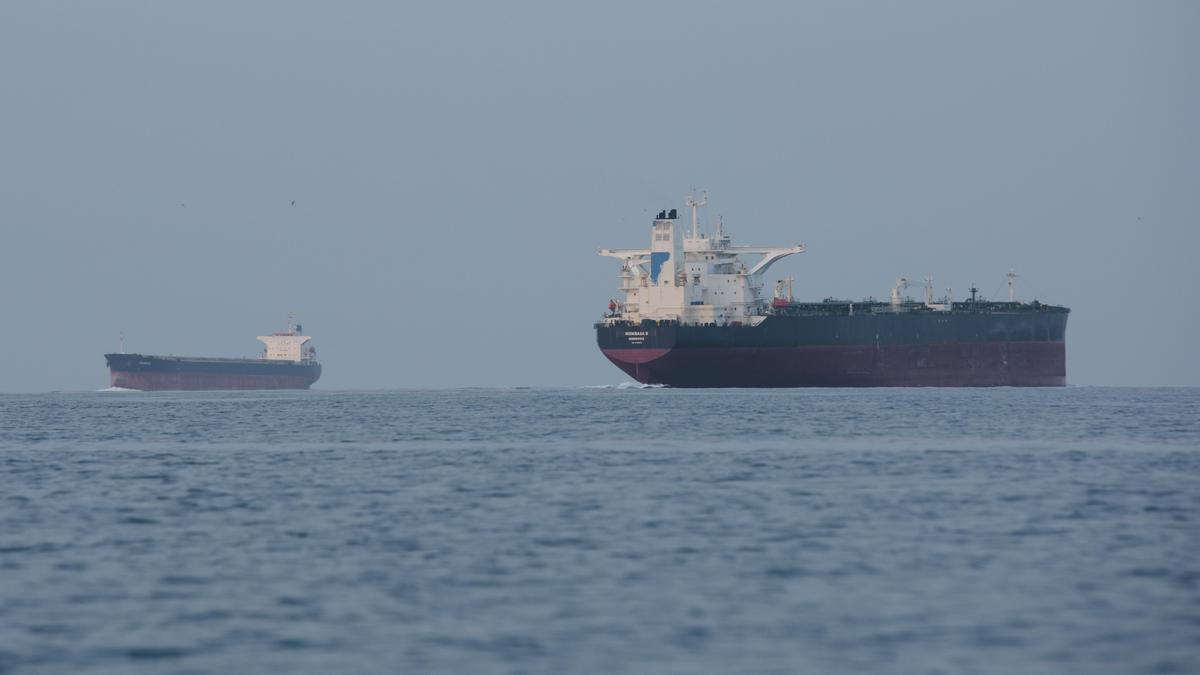
Iran said the Strait of Hormuz is closed until the U.S. blockade of Iranian ports is lifted and warned it will target any vessel approaching the waterway. The escalation raises immediate disruption risk for global oil flows and maritime shipping through a critical chokepoint. This is a market-wide geopolitical shock likely to pressure energy, shipping, and broader risk assets.
This is less an oil-beta event than a global logistics and inflation shock with a very asymmetric first-order response: prompt crude and freight spikes, then a slower repricing of everything that depends on Middle East transit optionality. The market usually underestimates how quickly charterers and refiners start paying up for route diversification, which means near-term winners are not just upstream energy, but any asset with substitute barrels, spare storage, or low-cost non-Middle East supply. The biggest second-order beneficiary is likely U.S. Gulf export infrastructure and Atlantic Basin crude benchmarks, because the marginal barrel has to be sourced farther away and financed longer.
The loser set is broader than airlines and shippers. European integrated refiners and Asian import-dependent industrials face a double hit: higher feedstock costs and working-capital strain from longer voyages and larger inventory buffers. That tends to pressure margin-sensitive sectors within 1-3 weeks even before end-demand weakens. Defense and maritime security names can see a delayed bid if this becomes a multi-month escort/insurance regime, but the more immediate trade is in energy volatility rather than direct conflict beneficiaries.
The key catalyst is whether this remains a temporary blockade dispute or becomes a sustained de facto closing that forces the market to reprice spare global capacity and SPR credibility. If the closure persists beyond several trading sessions, the risk shifts from a commodity spike to a macro tightening event: higher breakevens, weaker consumer discretionary, and a more hawkish rate path. The contrarian angle is that these episodes often peak on the first failed reopening rather than the headline escalation; if tanker traffic resumes or a corridor is tacitly exempted, the premium can collapse very quickly, so chasing spot crude after a gap-up has poor risk/reward unless the shipping market confirms.
AI-powered research, real-time alerts, and portfolio analytics for institutional investors.
Request TrialOverall Sentiment
strongly negative
Sentiment Score
-0.85
