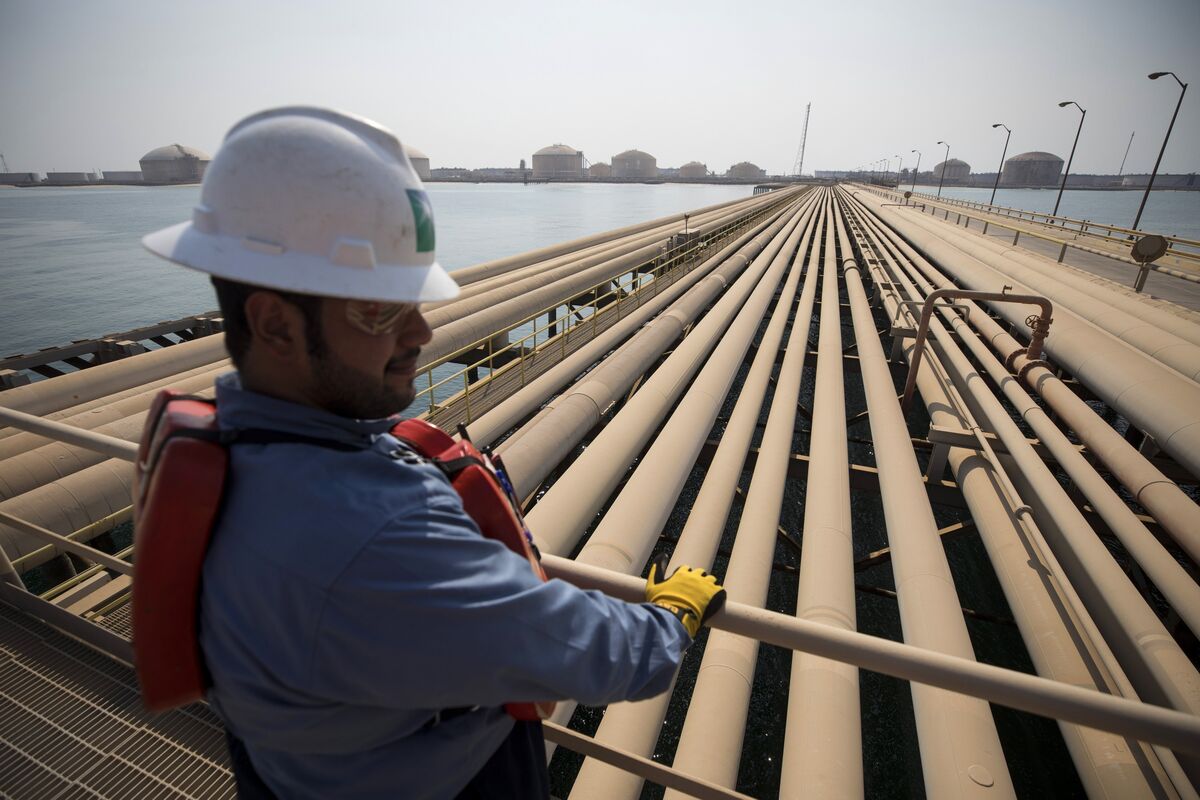
Saudi Arabia, a key OPEC+ leader, is reportedly advocating for an accelerated return of oil production, specifically a 1.66 million barrels per day tranche, ahead of its scheduled late-2025 reinstatement. This strategic push, aimed at reclaiming market share, will be deliberated by key alliance members in an upcoming Sunday video conference, signaling potential shifts in global oil supply dynamics sooner than anticipated.
Saudi Arabia is reportedly advocating for OPEC+ to accelerate the return of 1.66 million barrels per day (bpd) of oil production, a move that would bring forward supply originally scheduled for reinstatement by late 2025. This strategic push, driven by a desire to reclaim market share, will be a central topic at a key video conference on Sunday. The proposal comes on the heels of the group already fast-tracking the return of a previous supply layer over the last five months, indicating a potential strategic shift from aggressive price support to defending market share. If adopted, this accelerated supply increase would introduce a significant bearish catalyst to the global oil market, potentially altering supply-demand balances sooner than many market participants currently anticipate.
AI-powered research, real-time alerts, and portfolio analytics for institutional investors.
Request DemoOverall Sentiment
mixed
Sentiment Score
-0.10
