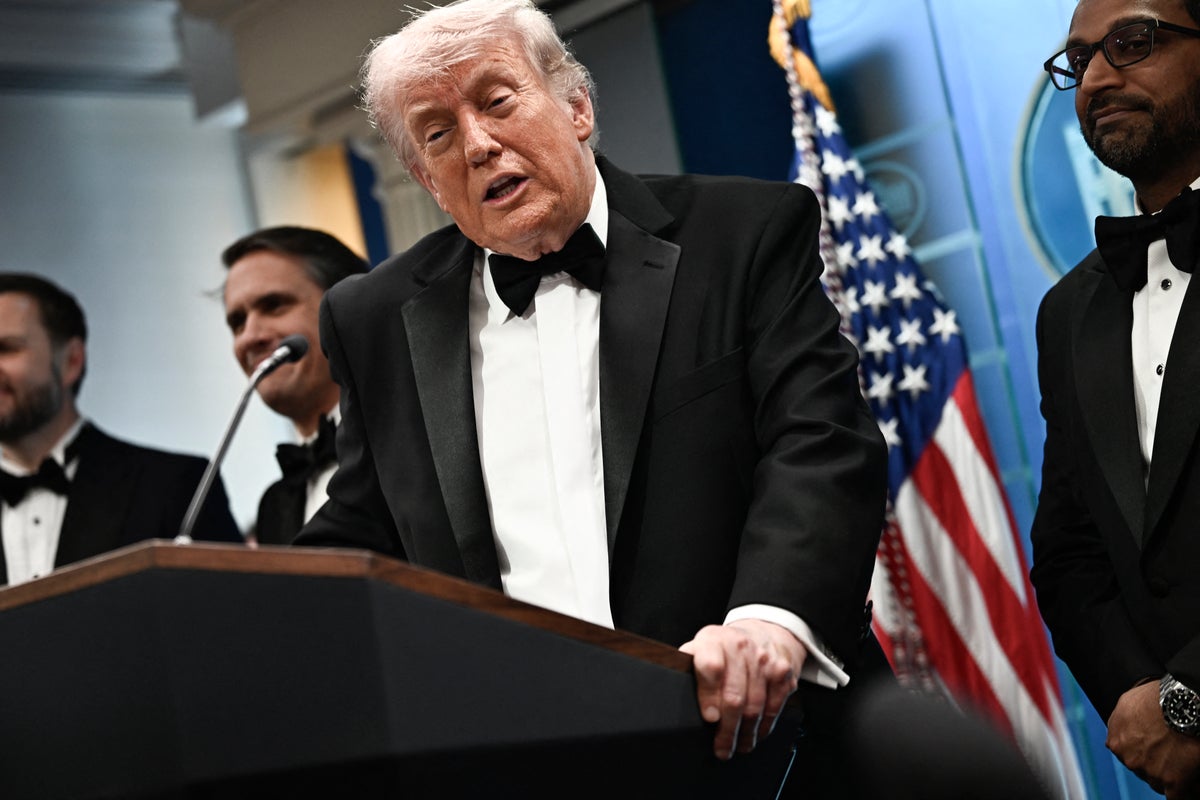
The Iran-US standoff remains unresolved after Trump cancelled planned talks in Islamabad, while the Strait of Hormuz stays disrupted with six tankers turned back and only seven crossings in 24 hours. The conflict is adding pressure to global markets, with the UK warning of higher energy, food and flight costs for at least eight months after it ends. Europe-US tensions are widening as Germany criticizes the negotiation process and NATO allies face strain over support for the US mission.
The first-order market read is not just higher headline risk premia; it is a widening of the policy-error window. When diplomacy becomes performative and logistics overtake substance, traders tend to underprice the probability of a non-linear supply interruption until the last mile of escalation, which is why energy volatility usually moves before spot does. In that setup, the real edge is in instruments with convex exposure to a sudden re-rating of shipping, insurance, and input costs rather than outright crude direction.
The second-order beneficiary is not only upstream energy but also any balance-sheet-heavy, low-leverage producer with embedded optionality on freight disruption. European industrials with fuel-intensive cost structures, airlines, and chemicals should face a margin squeeze even if oil retraces, because the more durable impairment comes from higher working capital, longer lead times, and precautionary inventory builds. That typically shows up first in forward guidance cuts, then in capex deferrals, then in multiple compression over a 1-3 month horizon.
The market may also be missing that a prolonged standoff strengthens the case for emergency policy coordination in Europe, which can dampen the most obvious winners. If governments move to subsidize energy, release strategic inventories, or socialize logistics costs, the sharpest moves in nat gas and power may fade while equity dispersion remains elevated. The cleaner trade is to own volatility and relative-value dislocation, not assume a straight-line commodity spike.
Contrarianly, the move may be underpricing de-escalation risk once shipping pain becomes politically visible. The longer the disruption lasts, the more incentive Washington and European capitals have to force a corridor solution, which can cap the upside in crude within weeks even if the diplomatic rhetoric remains hostile. That makes short-dated convexity preferable to outright directional bets.
AI-powered research, real-time alerts, and portfolio analytics for institutional investors.
Request DemoOverall Sentiment
strongly negative
Sentiment Score
-0.55
