
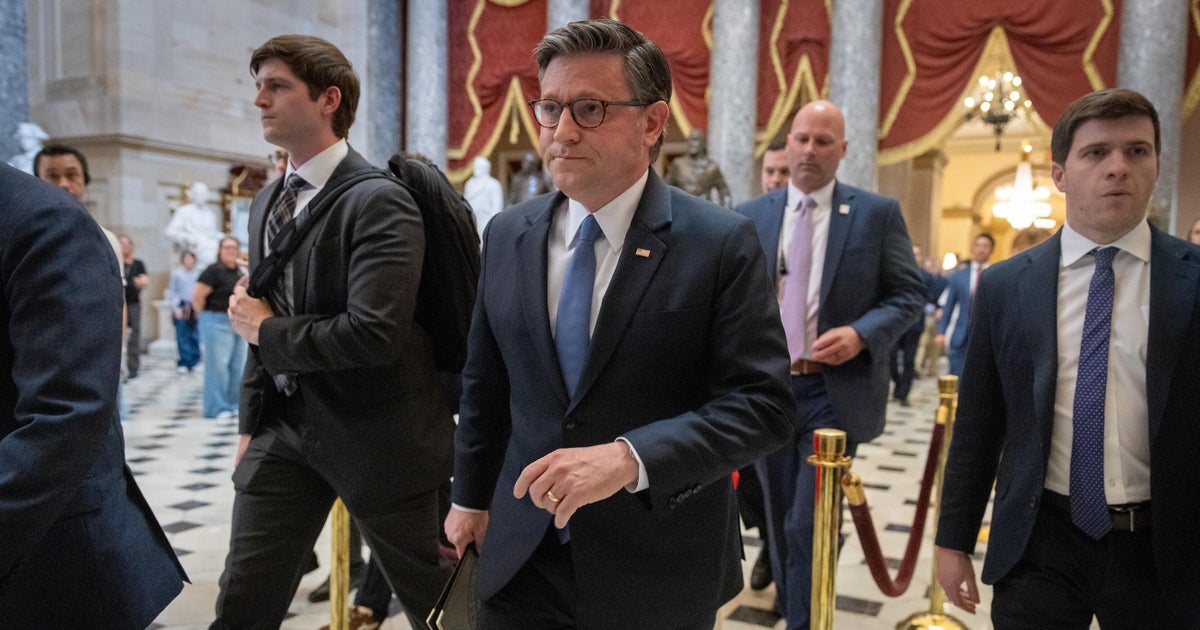
The House extended Section 702 FISA surveillance authority only until April 30 after GOP defections blocked a longer renewal; the Senate then approved a separate 10-day extension. The fight centers on warrantless collection of overseas communications that can incidentally include Americans, with lawmakers split between national security and civil liberties concerns. The issue remains unsettled and could reemerge quickly as a broader legislative flashpoint.
The immediate market read is less about the surveillance authority itself than about how brittle the governing coalition has become. That fragility raises the probability of more stopgap legislation, which is typically supportive for contractors and service providers tied to federal security budgets because it delays policy clarity but preserves spending. The incremental beneficiaries are the large defense-intelligence ecosystem and cybersecurity vendors that can frame themselves as compliance or threat-detection layers; the losers are privacy-sensitive ad-tech and communications platforms that may face renewed scrutiny if lawmakers reopen the warrant/collection debate.
The bigger second-order effect is on timing risk: a short extension compresses the next catalyst window into days, not months, which tends to increase headline volatility and keep implied vol elevated across national-security and cyber names. If the authority lapses even briefly or is extended only after another public fight, expect agencies to front-load collection, oversight bodies to sharpen pressure, and the policy conversation to spill into broader domestic surveillance reform. That can create a temporary bid for “trust and verify” infrastructure—encryption, endpoint security, identity access, and audit-log software—because enterprises and governments alike buy monitoring when political risk rises.
Consensus is likely underestimating how much this is a process story rather than a policy outcome story. Even if the surveillance tool survives, repeated near-deadlines reduce confidence in durable appropriations and can force agencies to delay multi-year procurement decisions, especially for programs that require long implementation cycles. The contrarian angle is that the market may overprice direct winners from a clean renewal while underpricing beneficiaries of prolonged uncertainty, where recurring headlines create a steadier demand tail than a one-time legislative pass.
AI-powered research, real-time alerts, and portfolio analytics for institutional investors.
Request TrialOverall Sentiment
neutral
Sentiment Score
-0.05
Ticker Sentiment
