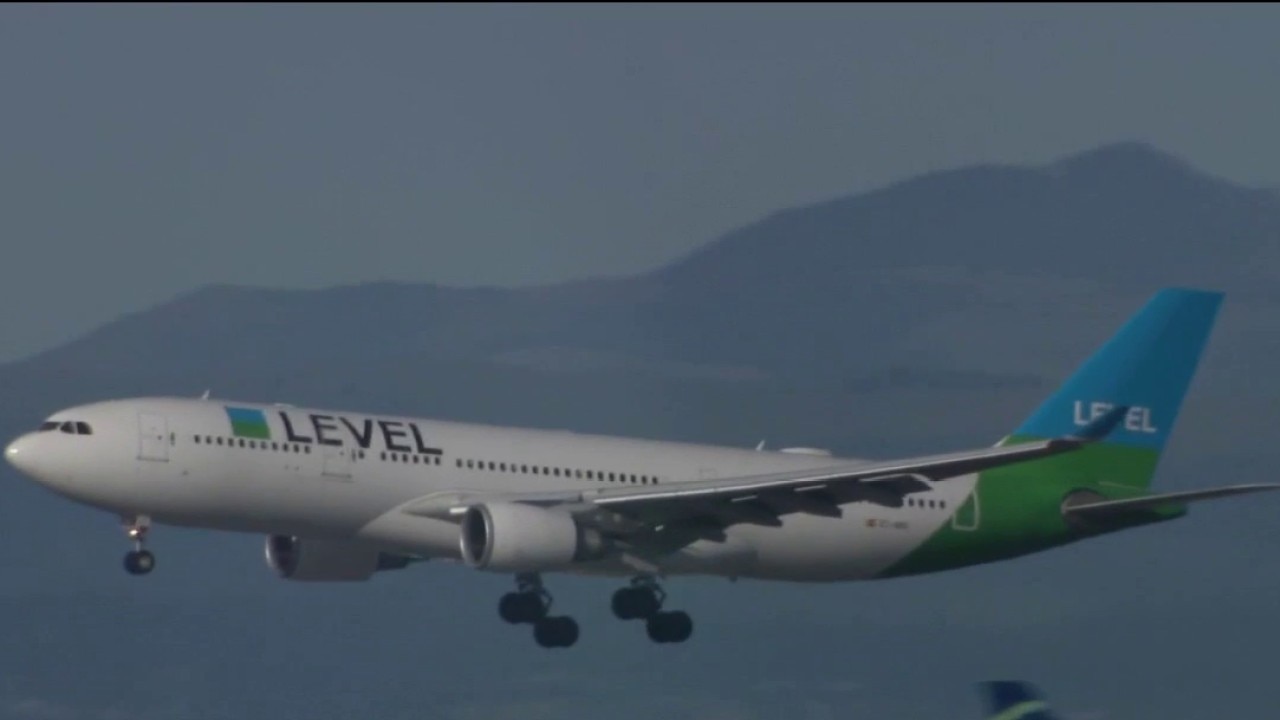
The International Energy Agency warned Europe could run out of jet fuel in about 6 weeks if the Strait of Hormuz remains blocked, a scenario that could force airlines to raise prices, cut routes, and even file for bankruptcy. The article says 10 airlines have already raised prices, cut service, downsized fleets, or eliminated routes, with Western Europe facing the worst shortage. The expected spillover would hit global air travel, ticket prices, and broader energy markets, creating a major geopolitical shock.
The first-order read is obvious: airlines lose margin. The second-order read is that this is a selective tax on mobility, with the biggest earnings hit landing on transatlantic carriers that depend on long-haul utilization and premium leisure demand, while rail, highway travel, and short-haul regional operators can absorb spillover volume. Less obvious is the knock-on effect to the broader inflation basket: if fuel allocation tightens rather than just prices rising, capacity cuts create a scarcity premium that can persist even if headline crude retraces, because the bottleneck shifts from cost to physical availability.
The market is likely underestimating how quickly network carriers can move from price pass-through to demand destruction. Airline balance sheets are fragile after years of repair; a sustained fuel shock for even 1-2 quarters can force hedging losses, covenant pressure, and deferred capex, which tends to show up first in ancillary businesses tied to premium travel, airport services, and aircraft leasing before hitting headline bankruptcies. The key catalyst is not just the Strait reopening; it is whether governments start rationing strategic fuel stocks or prioritizing military/essential uses, which would create asymmetric downside for commercial aviation over weeks, not years.
There is also a relative-value angle versus other transport modes and energy-intense industries. European rail operators and booking platforms with modal substitution exposure may gain share if air schedules tighten, while petrochemical and logistics names with higher distillate exposure could face margin compression from a broader refined-product squeeze. If the shock persists, the strongest equity winners may actually be upstream energy producers and refiners outside the constrained region, because distillate cracks can widen faster than crude benchmarks and support cash flows even in a weaker macro tape.
Contrarianly, the consensus may be too linear on airline shorting because the market has already discounted a lot of geopolitical risk into travel multiples. The cleaner trade is not to short the whole sector indiscriminately, but to separate carriers with high transatlantic exposure and weak fuel hedges from those with shorter stage lengths, better pricing power, or more domestic mix. If diplomacy de-escalates before capacity is physically rationed, the knee-jerk spike in fuel-linked assets could mean-revert quickly, so timing and instrument choice matter more than outright direction.
AI-powered research, real-time alerts, and portfolio analytics for institutional investors.
Request DemoOverall Sentiment
extremely negative
Sentiment Score
-0.90
