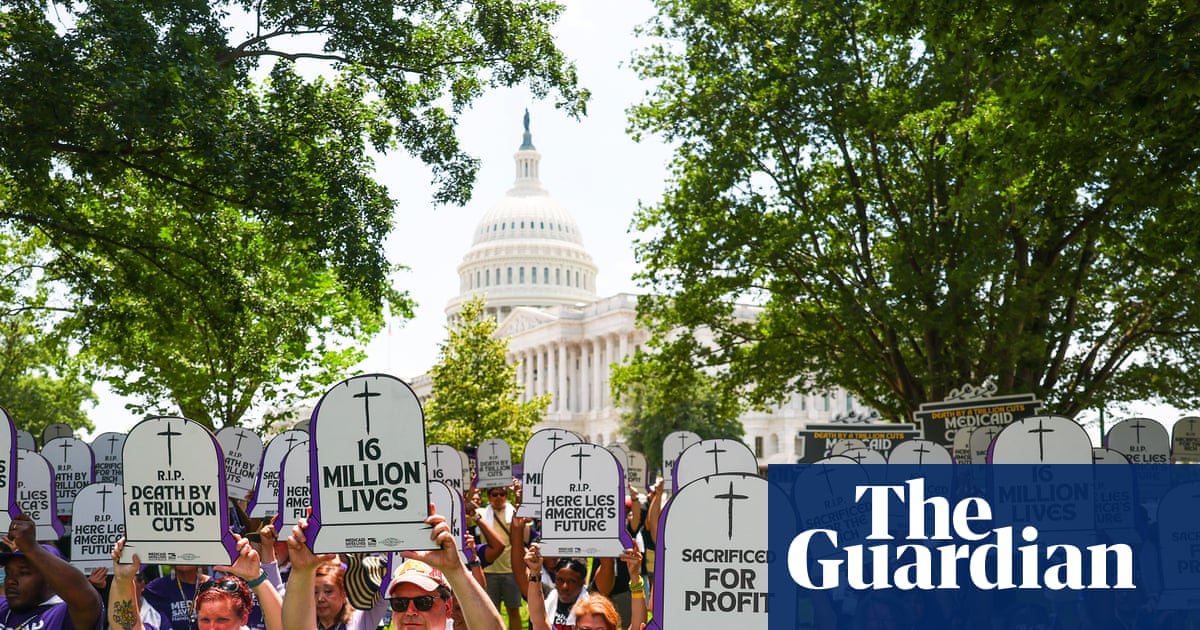
Major U.S. labor unions, including SEIU and AFT, are mobilizing for over 2,700 "No Kings" protests nationwide on October 18th, driven by grievances over soaring grocery and healthcare prices and perceived government failures. These demonstrations occur amidst an ongoing federal government shutdown, stemming from demands to address Medicaid cuts and extend health insurance subsidies, whose impending expiration threatens rapidly rising premiums and potential loss of coverage for 3.1 million Americans. This confluence of widespread labor action and critical policy stalemates signals escalating economic and social pressures with potential implications for market stability and consumer welfare.
Major U.S. labor unions, including SEIU and AFT, are mobilizing for over 2,700 "No Kings" protests nationwide on October 18th, signaling escalating social and political discontent. These demonstrations are primarily driven by grievances over soaring grocery and healthcare prices, coupled with perceived government failures to address critical economic issues. The ongoing federal government shutdown, stemming from demands to address Medicaid cuts and extend health insurance subsidies, serves as a central catalyst for these actions.
The impending expiration of health insurance subsidies poses a significant risk, threatening rapidly rising premiums and the potential loss of coverage for an estimated 3.1 million Americans. This policy stalemate, alongside persistent inflation impacting essential goods, highlights a growing pressure point on consumer welfare and household finances. The confluence of widespread labor action and critical policy impasses suggests increasing economic and social pressures.
The overall sentiment surrounding these developments is moderately negative and pessimistic, reflecting concerns over political gridlock and its tangible impact on the economy and citizens. While the immediate market impact score is low, the underlying themes of fiscal policy, regulation, healthcare, and inflation indicate potential for broader market instability if these issues remain unresolved. Investors should monitor the duration of the government shutdown and the resolution of subsidy extensions as key indicators.
AI-powered research, real-time alerts, and portfolio analytics for institutional investors.
Request DemoOverall Sentiment
moderately negative
Sentiment Score
-0.30
Ticker Sentiment
