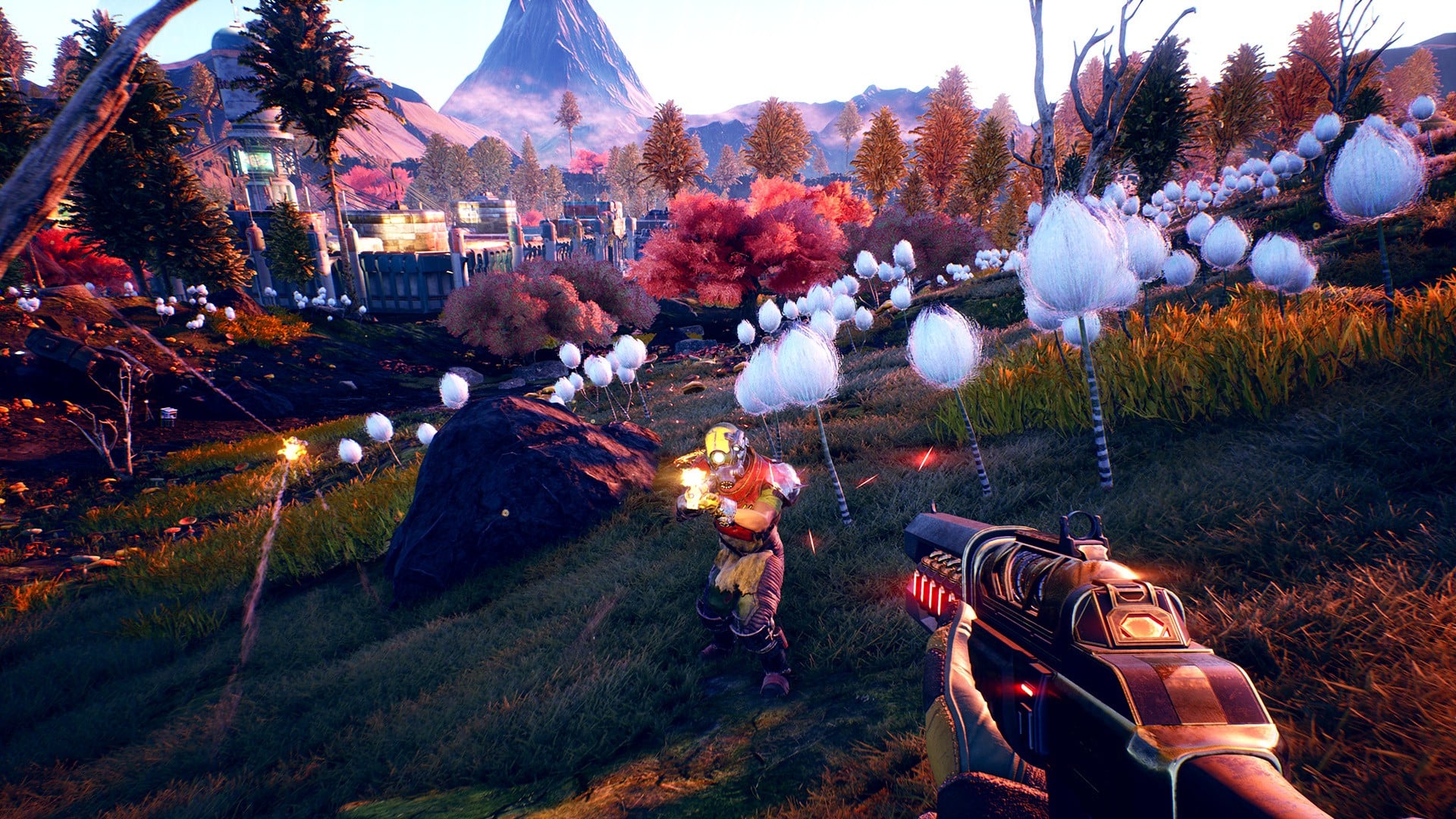
Obsidian changed the free-upgrade terms for The Outer Worlds: Spacer's Choice Edition on Xbox One and PlayStation 4, limiting eligibility to players who own the base game plus both DLCs, citing unforeseen platform limitations. The studio is still investigating possible upgrade paths for physical owners, and the title is now available on Xbox Game Pass. The update is a modest negative for affected players but is unlikely to have a material market impact.
This is a small but telling signal of platform entitlement friction: the publisher is effectively using a legacy-title upgrade to pull more consumers into the DLC bundle, which increases monetization per installed base but risks depressing goodwill at the margin. The near-term winner is the digital storefront ecosystem, not the game itself — forced bundle ownership and the move into subscription access both nudge users toward higher-engagement, lower-friction consumption channels rather than one-off legacy purchases.
The second-order effect is on conversion economics for other catalog titles. If platform holders tighten entitlement rules or publishers increasingly gate upgrades behind DLC ownership, expect more consumers to delay buying back-catalog DLC unless there is a clear path to an upgraded SKU. That shifts the value of the long tail away from pure unit sales and toward ecosystem control, subscription inclusion, and promotional bundling; physical owners are the clearest loser because their upgrade optionality is structurally weaker.
Catalyst horizon is days to weeks: this is primarily a sentiment issue unless the policy change becomes a broader precedent. The downside tail is reputational rather than financial in the immediate term, but repeated incidents could incrementally raise churn in lower-attach-rate franchises and make upgrade programs less effective as acquisition tools over the next 6-12 months. The upside case is that subscription availability partially offsets backlash by converting frustrated would-be buyers into recurring-service users.
Consensus is probably underestimating how often these entitlement disputes quietly suppress conversion of legacy IP into incremental revenue. The market tends to treat free upgrades as goodwill marketing, but the economics only work if the attach-rate on DLC is already high; when it is not, the promotion can backfire and expose the difference between digital-first and physical-limited ownership models.
AI-powered research, real-time alerts, and portfolio analytics for institutional investors.
Request TrialOverall Sentiment
mildly negative
Sentiment Score
-0.20
