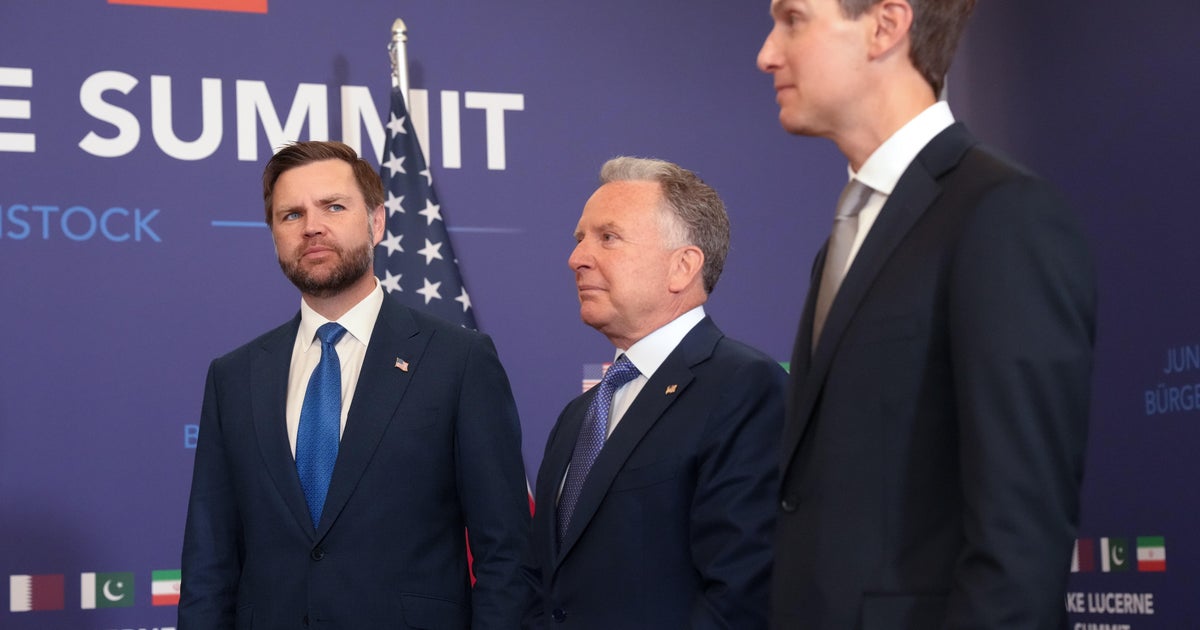
U.S.-Iran talks produced several concrete de-escalation steps, including reported agreement to resume IAEA nuclear inspections, establish a Strait of Hormuz communication line, and create a Lebanon deconfliction mechanism. The U.S. Treasury also waived sanctions to allow Iran to sell oil and gas through August 21, 2026, while oil prices eased and equities were mixed as traders priced in lower geopolitical risk. Despite the progress, tensions remain elevated given Israel-Hezbollah hostilities and ongoing disputes over Lebanon and the Strait.
The near-term winner is the integrated defense prime complex, but not because of geopolitics alone; it’s because the White House is simultaneously signaling a demand mix shift toward production capacity, munitions depth, and domestic industrial resilience. That tends to favor primes with backlog visibility and manufacturing bottlenecks, but it is a mixed signal for the group: if diplomacy holds, headline war-risk fades, yet procurement pressure rises as the administration uses the defense sector as a strategic lever. Relative outperformance should cluster in names with higher exposure to ISR, missile defense, EW, and sustainment rather than platforms most dependent on discretionary big-ticket procurement.
The second-order beneficiary is not crude itself but logistics and insurance. If the Strait stays open and confidence improves, the immediate equity upside is less about oil beta and more about compressed tanker/war-risk premia, lower inventory hoarding, and reduced working-capital drag for importers. The market may be underpricing the lag effect: even if oil retraces quickly, a normalization of shipping and financing conditions can improve industrial margins and consumer discretionary purchasing power over the next 1-2 quarters.
The key risk is that the deal’s implementation is far more fragile than the headline suggests. The market is extrapolating from communication channels, but the real catalyst path is a series of verifications over days to weeks; any localized escalation in Lebanon could reset the whole framework and reprice oil and defense simultaneously. That asymmetry argues for trading optionality rather than outright directional risk: the upside to peace is gradual, while the downside from one failed incident is immediate and gap-driven.
Consensus is probably too complacent on defense multiples and too aggressive on immediate de-escalation in energy. The more interesting trade is a relative-value expression: long high-quality primes with pricing power and execution discipline versus short the most narrative-driven defense names that already discount a prolonged rearmament cycle. In energy, any weakness in Brent into the high-70s is likely a better entry for hedged upside than chasing the initial move higher, because the market will keep a meaningful geopolitical risk premium until inspections and transit mechanics are proven in the field.
AI-powered research, real-time alerts, and portfolio analytics for institutional investors.
Request DemoOverall Sentiment
mildly positive
Sentiment Score
0.15
Ticker Sentiment
