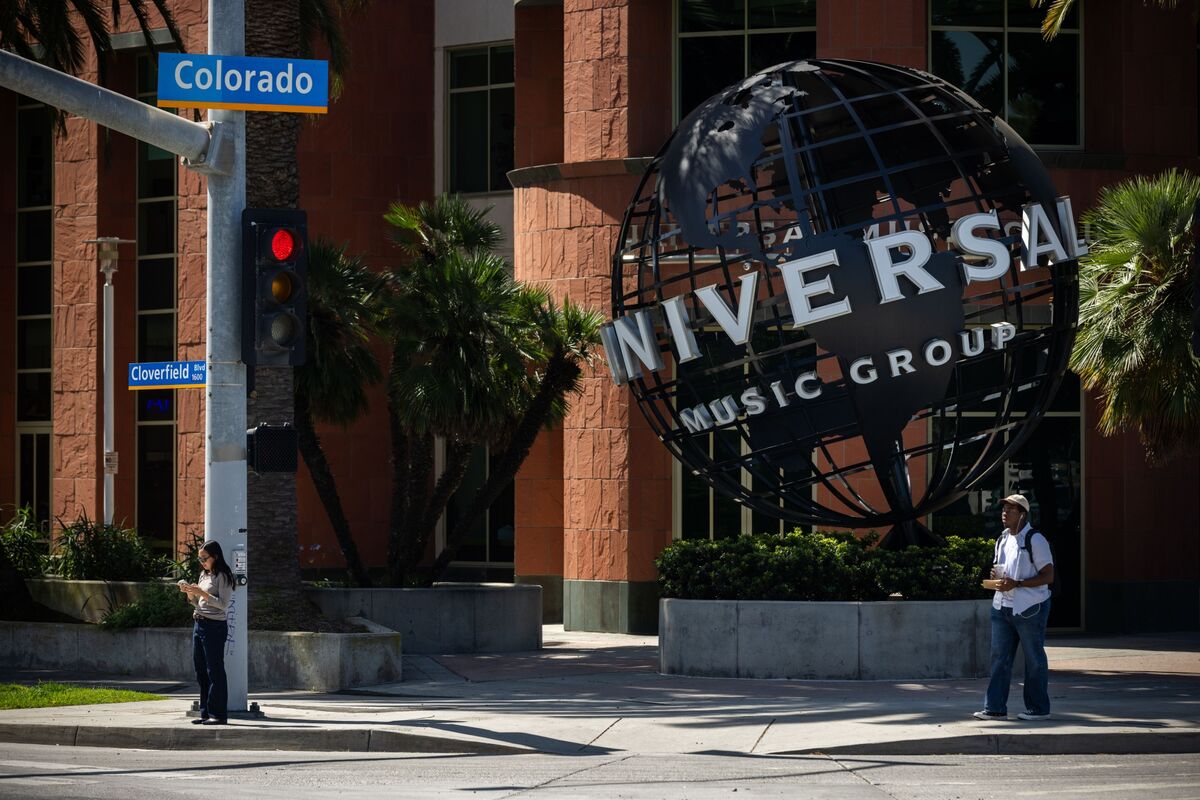
Universal Music Group rejected Bill Ackman’s unsolicited Pershing Square offer, saying it materially undervalues the company and is not in the best interest of shareholders or artists. The board cited a full review with outside financial and legal advisers and concluded the proposal would not deliver superior value creation. The news is modestly negative for UMG and highlights ongoing activism/governance pressure rather than a broader sector shock.
This rejection is less about one bid and more about governance optionality. When a branded cash-flow compounder publicly signals that the control discount is unacceptable, it usually forces a rerating process: either the market starts valuing the asset closer to a sum-of-parts / private-market multiple, or activists are compelled to escalate with a higher price or structural proposal. The second-order effect is that management now has to prove it can unlock value without a sponsor's capital, which tends to shift attention toward capital allocation, royalty monetization, and any future use of leverage rather than pure operating growth.
For competitors and counterparties, the key implication is bargaining power. Artists, managers, and distributors will treat this as evidence that the platform's equity is more contested than previously assumed, which can modestly raise retention risk at the margin if rivals can offer more favorable economics or flexibility. The real winners are adjacent asset holders with similar “scarcity premium” profiles: any public music/IP platform, catalog owner, or rights aggregator can benefit if the market begins assigning higher terminal multiples to recurring royalty streams.
The main risk is timing. A rejected proposal can be a near-term negative if the stock had been pricing in a deal premium, but over a 3-12 month horizon the larger driver is whether Pershing or another sponsor returns with a materially higher, cleaner structure. If they do, the stock may trade toward the implied bid quickly; if not, the trade can drift as investors wait for evidence of standalone value creation. The contrarian read is that the board may actually be right: if the assets are underappreciated, a too-early sale could cap long-duration upside, and the market may be overestimating the immediacy of activism as a catalyst rather than a prolonged negotiation.
AI-powered research, real-time alerts, and portfolio analytics for institutional investors.
Request DemoOverall Sentiment
mildly negative
Sentiment Score
-0.20
