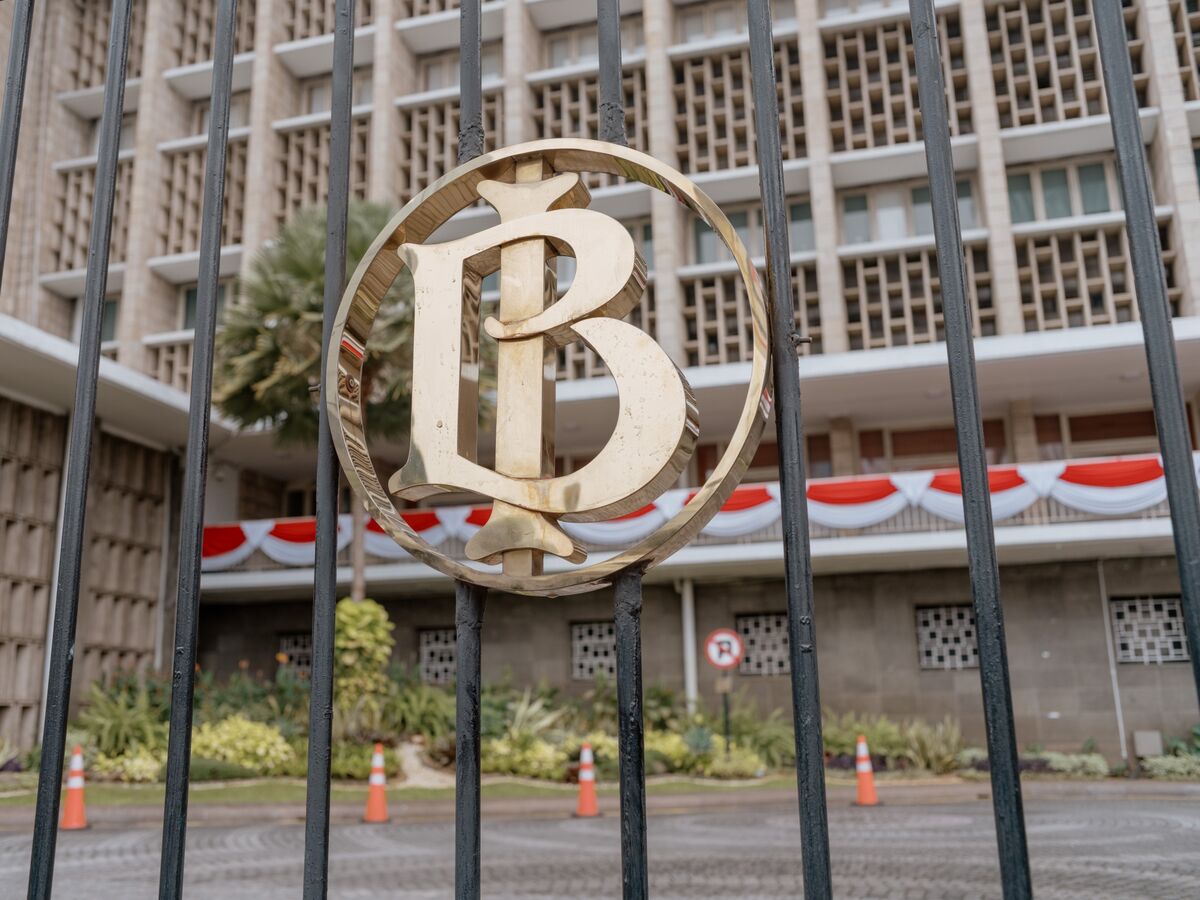
Bank Indonesia unexpectedly lowered its benchmark BI-Rate to 4.75%, marking the third consecutive reduction and a total of 150 basis points over the past year. Analysts anticipate this move will pressure the rupiah, though a likely weaker dollar may limit significant further depreciation. Policymakers also signaled a continued inclination for additional rate cuts.
Bank Indonesia has executed a surprise interest rate cut, lowering its benchmark BI-Rate to 4.75%. This action marks the third consecutive reduction in borrowing costs, culminating in a 150 basis point decrease over the past 12 months, and underscores a distinctly dovish monetary policy stance. According to analyst consensus, this move is expected to exert downward pressure on the Indonesian rupiah. However, this currency weakness may be partially mitigated by the potential for a broadly weaker U.S. dollar, which could provide a floor for the rupiah. Critically, the central bank has signaled it is actively seeking opportunities for further easing, suggesting the current cycle of rate cuts may not be concluded and reinforcing the outlook for a prolonged low-interest-rate environment in Indonesia.
AI-powered research, real-time alerts, and portfolio analytics for institutional investors.
Request DemoOverall Sentiment
mildly negative
Sentiment Score
-0.35
