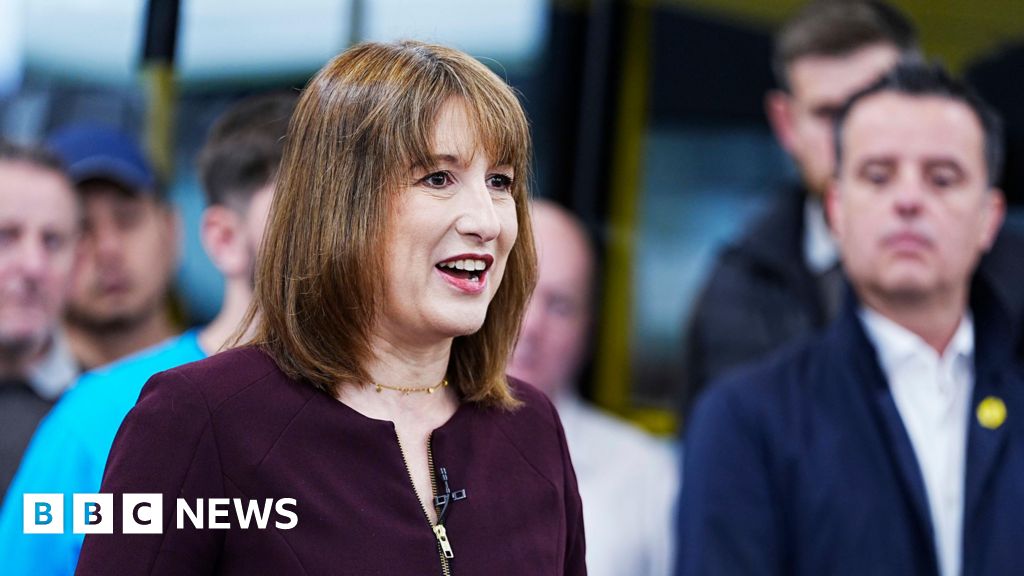
Chancellor Rachel Reeves has signaled upcoming spending cuts in the government's spending review on June 11th, stating that not all departments will receive their requested funding due to economic constraints and a commitment to fiscal responsibility. Reeves defended her borrowing rules, attributing the need for austerity to the previous Conservative government's economic mismanagement, while also confirming the restoration of winter fuel payments to some pensioners. The Institute for Fiscal Studies has warned of unavoidable tough choices, with some departments potentially facing spending cuts despite a £190bn funding increase over the spending review period.
Chancellor Rachel Reeves has signaled a period of significant fiscal restraint ahead of the upcoming spending review on June 11th, indicating that not every government department will secure its requested funding despite a £190bn nominal increase in funding over the review period. This approach is underpinned by what Reeves terms 'non-negotiable' fiscal rules—funding day-to-day costs through tax income and ensuring debt falls as a share of national income by 2029/30—which she attributes to 'economic reality' and the 'Conservative maltreatment' of the economy. While previously announced tax hikes of £40bn and changes to borrowing accounting are expected to free up £300bn for future infrastructure projects, including a £15.6bn investment in transport for England's Midlands, North, and West Country aided by revised Treasury Green Book rules, considerable pressure on day-to-day departmental spending is anticipated. This has led Whitehall insiders to expect an 'ugly' review and the Institute for Fiscal Studies to warn of 'unavoidable' tough choices, potentially resulting in real-terms cuts for some public services. The government's stance, described as 'mixed' in sentiment and 'cautious' in tone with a moderate market impact score of 0.55, also involves targeted social measures like the partial restoration of winter fuel payments, details of which will be funded via the autumn Budget. The political environment remains charged, with opposition figures highlighting 'squabbling' and 'chaos' within the government regarding these fiscal decisions.
AI-powered research, real-time alerts, and portfolio analytics for institutional investors.
Request DemoOverall Sentiment
mixed
Sentiment Score
-0.10
