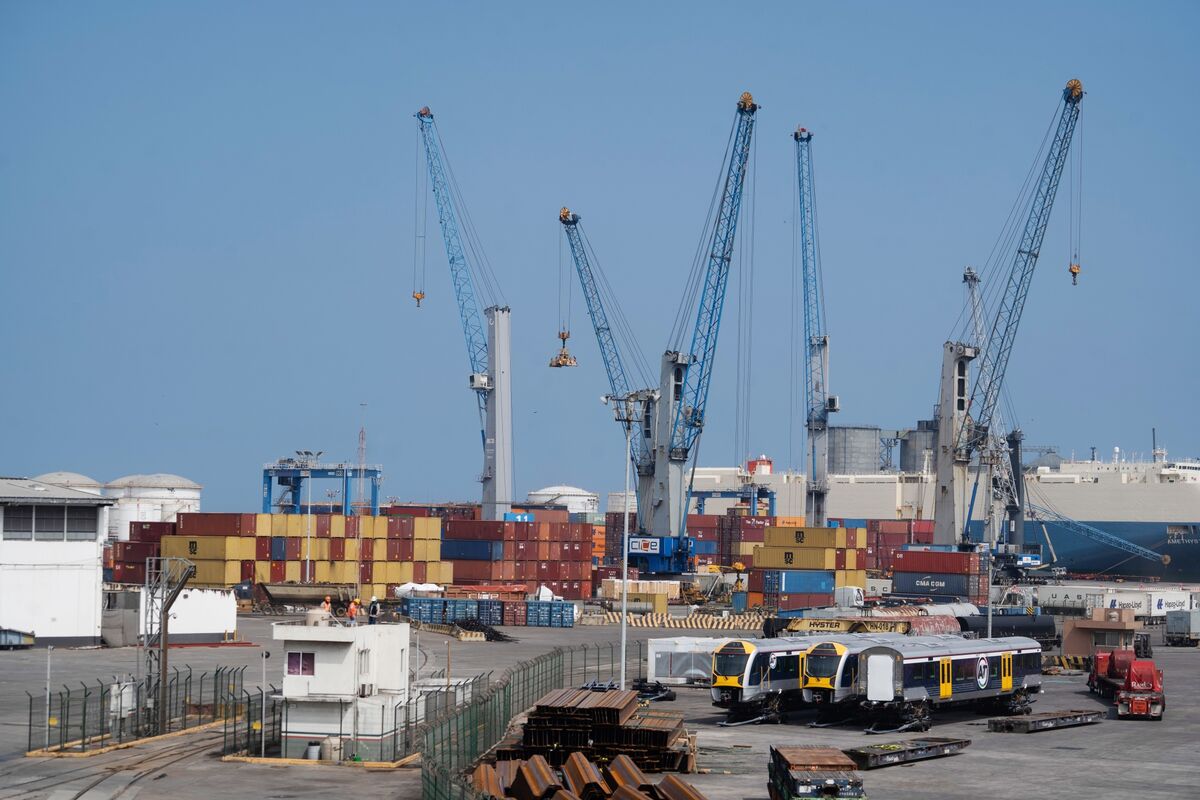
Mexico is set to implement significant tariff increases on imports from China, including cars, textiles, and plastics, beginning with its 2026 budget proposal next month. This strategic move aims to protect domestic manufacturers from subsidized Chinese competition and aligns with a longstanding demand from the US, with potential extension to other Asian nations. The policy signals a notable shift towards protectionism, poised to impact regional trade flows and supply chains.
Mexico is signaling a significant shift in trade policy with its plan to increase tariffs on Chinese imports, including cars, textiles, and plastics, as part of its 2026 budget proposal. This protectionist measure is designed to shield domestic industries from subsidized competition and concurrently aligns with US trade objectives, specifically a known demand from President Donald Trump. The potential extension of these tariffs to other Asian nations suggests a broader strategic pivot that could reconfigure regional supply chains. While no specific tariff rates have been disclosed, the announcement introduces new uncertainty for companies utilizing Mexico as a manufacturing hub for the North American market, as they now face the prospect of increased input costs and potential operational disruptions. The policy's defensive tone aims to bolster local manufacturing, creating potential domestic beneficiaries at the expense of importers.
AI-powered research, real-time alerts, and portfolio analytics for institutional investors.
Request DemoOverall Sentiment
mildly positive
Sentiment Score
0.35
