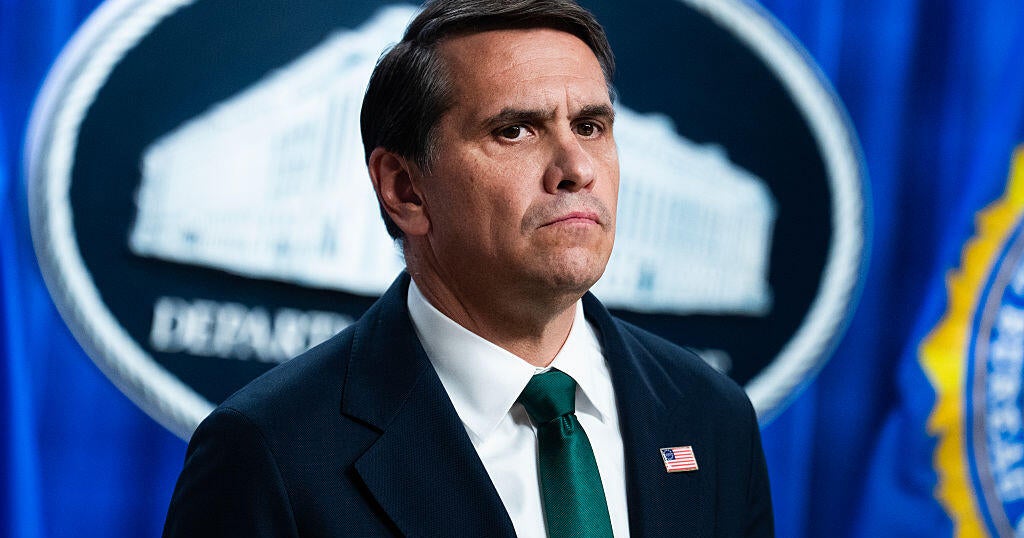
A federal judge temporarily blocked the Justice Department from advancing the $1.7+ billion Anti-Weaponization Fund, including any transfers, claim reviews, or payouts. The order gives the court time to consider longer-term relief in a lawsuit arguing the program lacks congressional authorization and legal basis. The dispute adds legal and political uncertainty around the fund, but direct market impact appears limited.
The immediate market read is not about the fund’s size, but about the precedent risk it introduces for executive-branch side channels to move money without a clean appropriations path. That raises a medium-term discount rate on any administration-dependent fiscal commitment, especially where disbursement rules are opaque and politically contestable. The first-order impact is legal delay; the second-order impact is a stronger incentive for Congress and watchdog groups to litigate aggressively against any discretionary compensation or settlement structures that resemble off-budget spending.
The bigger practical issue is reputational and governance drag on the broader policy apparatus. If the court signals that settlement proceeds can be recharacterized as a politically directed claims vehicle, counterparties will price in higher execution risk for future government settlements, especially in areas tied to politically sensitive beneficiaries. That matters for law firms, compliance contractors, and administrative vendors whose revenue depends on fast-moving federal remediation programs; invoice timing could slip by quarters even if the underlying claims survive.
The contrarian take is that the market may be overestimating the probability of permanent dismantling. Courts often narrow or delay politically charged funds rather than unwind them entirely, which means the economically relevant outcome may be a slower, more bureaucratic payout process rather than zero payout. If so, the near-term alpha is in time arbitrage: legal headlines will be volatile over days to weeks, but the eventual cash flow may still land months later, just with a higher haircut from administrative friction and legal costs.
For portfolios, the key is to distinguish headline risk from balance-sheet risk. This is unlikely to move broad equities, but it can create tradable volatility in securities exposed to DOJ settlement flows, government-adjacent consulting, and the larger narrative of fiscal off-book activity. The trade setup is asymmetrical: downside is mostly delays and optics, while upside comes from any judicial limitation that restores procedural credibility and reduces political temperature.
AI-powered research, real-time alerts, and portfolio analytics for institutional investors.
Request DemoOverall Sentiment
mildly negative
Sentiment Score
-0.20
