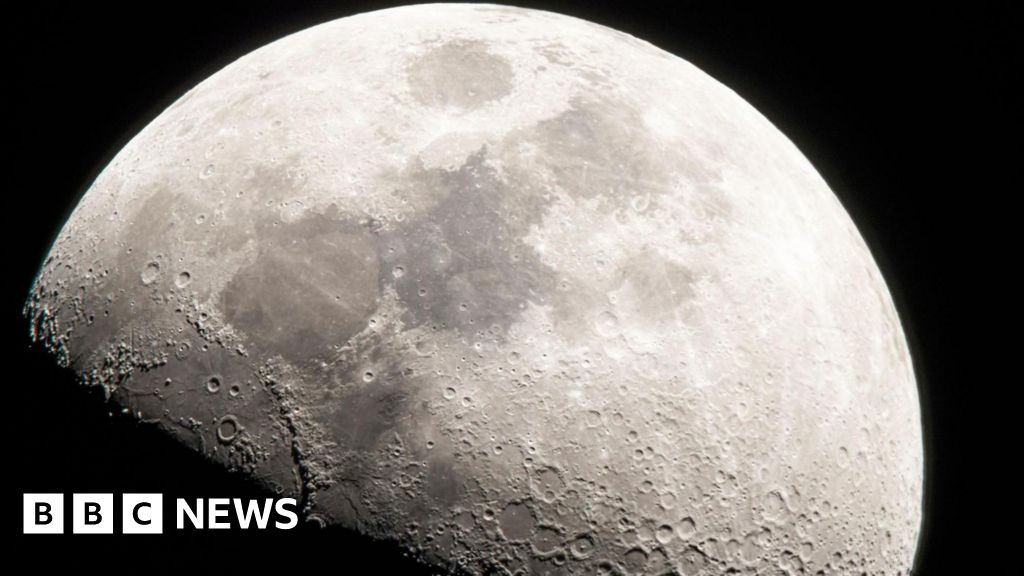
NASA outlined the next phase of its $20 billion Moon base program, awarding contracts to Blue Origin, Intuitive Machines and Astrobotic for robotic landers, hopping drones and surface vehicles. The agency plans 25 launches and 4 metric tonnes of cargo by 2029, with semi-permanent human habitation targeted for 2032, but experts say the timeline is unrealistic amid SpaceX landing-system delays and pressure from China's 2030 lunar ambitions. The article is strategically important for aerospace contractors, but the direct market impact is limited in the near term.
This is less a near-term revenue event for the public names and more a capital-allocation signal that lunar infrastructure is shifting from one-off exploration to a multi-year procurement cycle. The second-order winner is the supplier ecosystem around high-reliability robotics, autonomous navigation, power systems, thermal management, and communications; the first phase effectively de-risks later human-rated hardware by paying for flight heritage now. For AMZN, the optionality is real but still embryonic: Blue Origin gains credibility with NASA-style mission requirements, which can improve its odds of winning adjacent follow-on work, but this is not yet a monetizable inflection in the equity story.
The market is likely underpricing schedule risk rather than technology risk. The gating item is not whether NASA can announce a base architecture, but whether a human landing stack exists on time; that makes the program highly exposed to any Starship delay, test anomaly, or policy change after the 2028 election. If timelines slip, the economic benefit shifts from prime contractors to subsystem vendors because NASA will keep spending on robotic reconnaissance and power demos even while human landing slips by 12-24 months.
For LUNR, the setup is asymmetric only if it can convert mission awards into repeat cadence and engineering credibility; otherwise the stock remains a funding-cycle proxy with low margin of safety. The contrarian read is that the headline is bullish for the industry, but potentially bearish for pure-play lunar equities if investors have already priced in a straight-line Artemis acceleration—history suggests these programs create long booking cycles, not immediate profits. Geopolitically, the U.S. may front-load spending to signal resolve, which can support contractors over the next 6-18 months even if the eventual human-base timeline slips.
The key catalyst sequence to watch is award-to-launch conversion through 2026-2029: if the robotic phase starts on schedule, that validates the procurement chain and likely re-rates the small-cap lunar suppliers first. If not, expect budget scrutiny to intensify and multiple compression in the most speculative names. In that scenario, the winners are diversified space infrastructure names with defense adjacency rather than single-mission lunar exposure.
AI-powered research, real-time alerts, and portfolio analytics for institutional investors.
Request DemoOverall Sentiment
neutral
Sentiment Score
0.05
Ticker Sentiment
