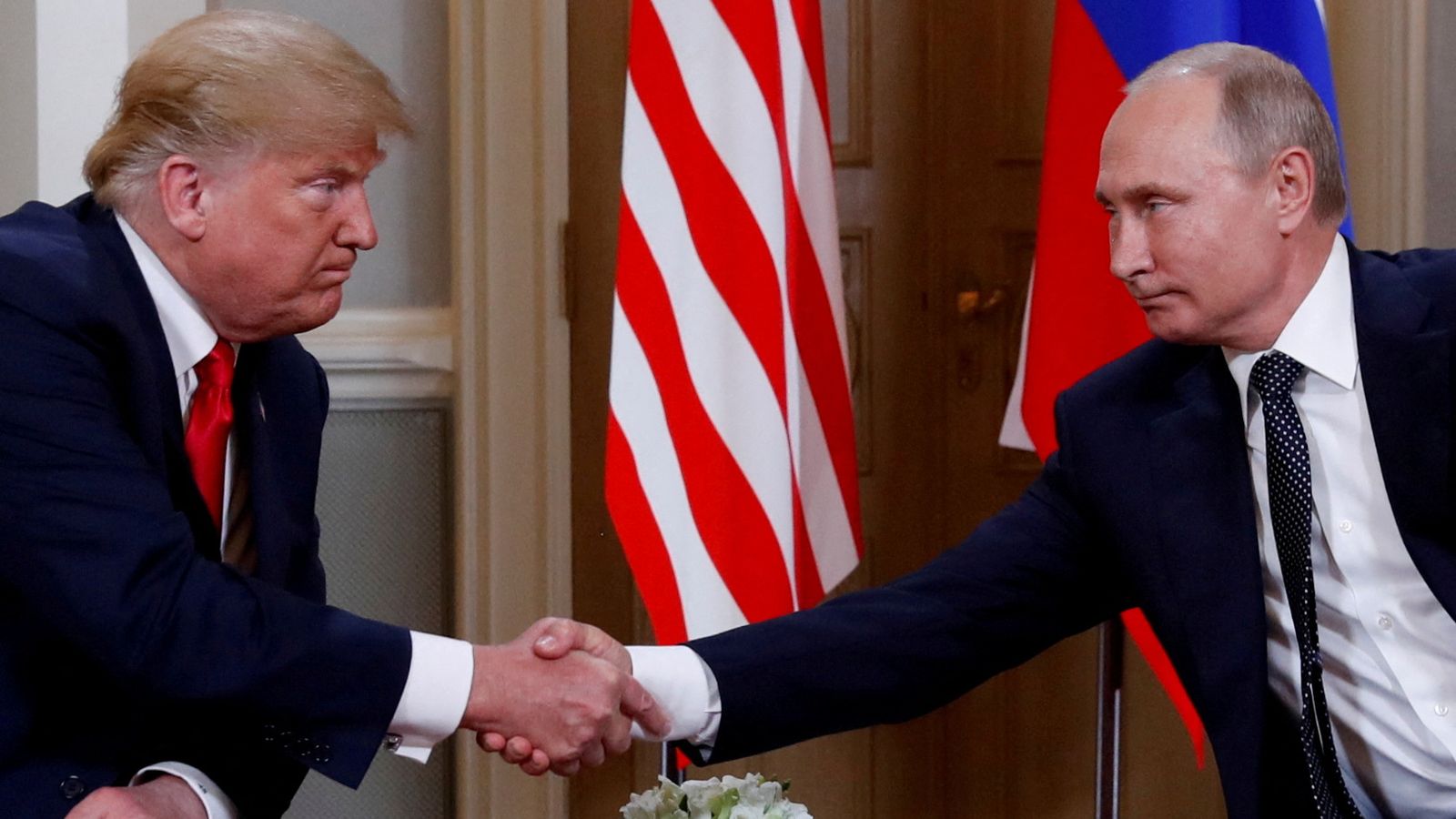
President Trump has announced a significant shift in US policy towards Ukraine and Russia, pledging a dramatic increase in US weapons supplies to Kyiv, structured as a multi-billion dollar 'deal' where European NATO partners purchase American arms for transfer or stock replenishment. Concurrently, he issued an ultimatum to President Putin, demanding a peace deal within 50 days or face 100% 'secondary tariffs' on third countries supporting Russia, aiming to pressure Moscow. This policy pivot could significantly boost US defense manufacturing and impact global trade dynamics via tariffs, though the financial specifics of the weapons deal and the efficacy of the ultimatum remain uncertain given Trump's past policy fluidity and Russia's history of prevarication.
The Trump administration has announced a significant pivot in its policy towards the war in Ukraine, introducing two major initiatives with substantial market implications. Firstly, the U.S. will increase weapons supplies to Kyiv, structured not as aid but as a multi-billion dollar 'deal' where European NATO allies purchase American-made arms. This framework is designed to directly benefit the U.S. industrial base, with specific systems like Patriot missile batteries cited as likely components. However, significant ambiguity remains regarding the financing mechanism, particularly whether the U.S. would indirectly co-fund the purchases if they are made by NATO as an alliance. Secondly, the administration has issued a 50-day ultimatum to Russia to agree to a peace deal, threatening 100% 'secondary tariffs' on third countries trading with Moscow if the deadline is not met. This tariff threat could severely disrupt global trade and energy flows, particularly impacting countries that purchase Russian oil or supply Russia with goods. Despite the policy's potential impact, its effectiveness is clouded by considerable uncertainty, stemming from the administration's history of policy reversals and missed deadlines, as well as Russia's capacity for diplomatic prevarication. The President's evasive response to a question about potential Russian escalation further underscores the lack of a clear, long-term strategy, creating a high-risk environment.
AI-powered research, real-time alerts, and portfolio analytics for institutional investors.
Overall Sentiment
Neutral
Sentiment Score
0.00
