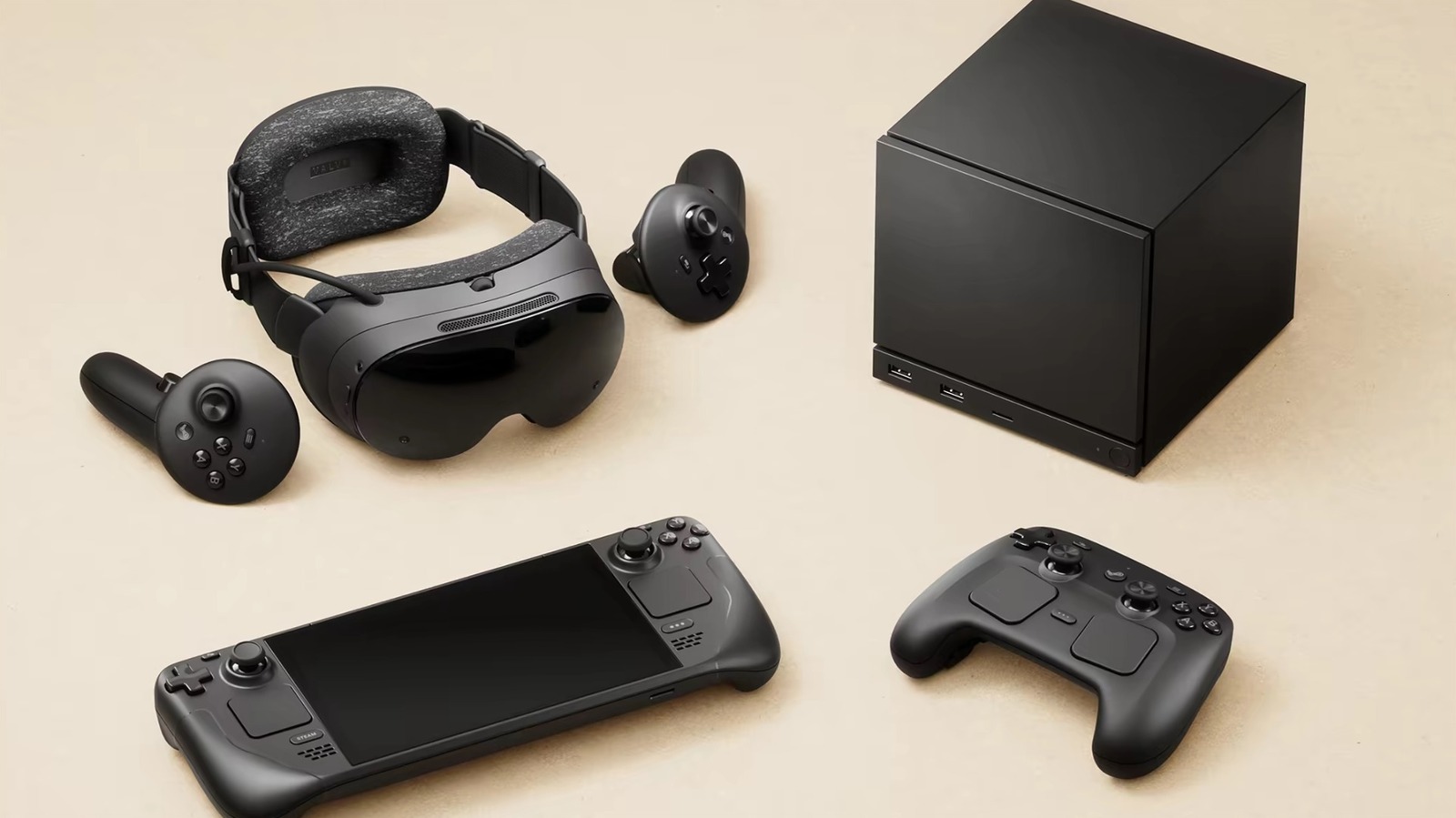
Valve’s forthcoming Steam Machine, a TV-compatible console running SteamOS, is being positioned more as a PC alternative than a subsidized game console and is therefore likely to carry a premium price; community estimates range from roughly $499 to well over $1,000. Pricing pressure is being compounded by an AI-driven memory chip shortage—with large buyers such as Google and Microsoft tightening supply—which could raise component costs and feed through to retail pricing. Valve’s stated intent not to subsidize hardware increases the risk of weak adoption if consumers compare the device unfavorably to cheaper laptops, consoles or custom PCs, making launch pricing and supply dynamics key drivers of near-term unit sales and revenue outcomes.
Valve's Steam Machine is a TV-compatible console running SteamOS that the company is positioning as a PC alternative rather than a subsidized console; community price estimates circulated from roughly $499 to above $1,000 and Valve has signaled it will not subsidize hardware. The product's cited differentiators—compact size, quiet operation and SteamOS ecosystem—support a premium positioning comparable to custom gaming PCs, which would raise average selling price but narrow the mass-market addressable base. An AI-driven memory-chip shortage, with large buyers such as Google and Microsoft tightening supply, is identified in the article as a near-term upward pressure on component costs that could be passed through to consumers, increasing the risk of a higher MSRP. Consumer sentiment quoted on forums is skeptical (comments that laptops offer better specs cheaper and that prices above $500 will struggle), and the summarized tone is moderately negative with a modest market-impact signal (0.28). The principal investment inflection points are the announced MSRP, early sell-through/review comparisons to laptops and consoles, and memory-price/inventory trajectories; a premium price could boost per-unit revenue but materially raise adoption risk, while a lower price sacrifices margin and may still be constrained by component costs. Investors should treat the launch as binary: monitor price realization and early demand metrics before increasing exposure to gaming hardware or component suppliers.
AI-powered research, real-time alerts, and portfolio analytics for institutional investors.
Overall Sentiment
moderately negative
Sentiment Score
-0.35
Ticker Sentiment
