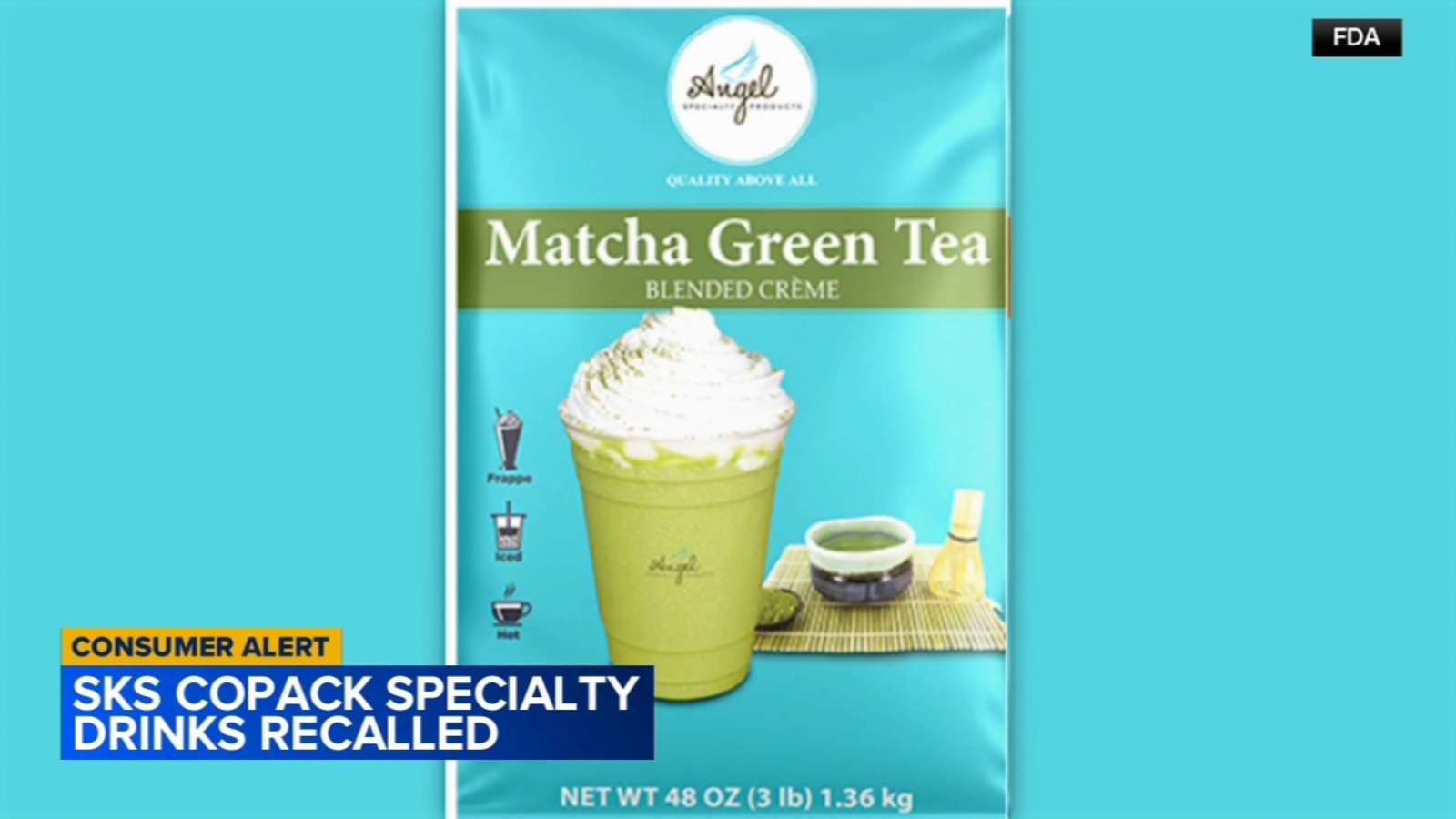
SKS Copack recalled several drink powders after salmonella was found by a supplier in its dry milk powder. The products are used in matcha teas, lattes and smoothies and are sold through restaurants, cafes, and directly to consumers via Angel Specialty Products. The recall is a health and reputational negative, with limited but notable impact for the company and its distribution partners.
This is less about one small supplier incident and more about how quickly food-safety shocks can migrate from a single SKU into channel-wide friction for premium beverage mixes. The near-term loser is the operator that depends on cafe and restaurant reorders, because those buyers are hypersensitive to brand contamination risk and can switch formulations immediately; that tends to hit restock velocity before it hits revenue, then shows up later in distributor shelf-space loss. The competitive beneficiaries are adjacent powder/blended-beverage suppliers with cleaner compliance histories and private-label capacity, especially those already embedded in foodservice channels.
The second-order effect is likely a temporary tightening in procurement standards across dry dairy and functional ingredient supply chains. Expect buyers to overcorrect by dual-sourcing and increasing third-party testing, which raises working-capital needs and can pressure margins for smaller processors over the next 1-2 quarters. For public markets, the read-through is to branded snack/ingredient companies with exposure to powdered dairy, tea, and smoothie mixes: even absent direct recall exposure, any traceable contamination event can trigger de-stocking and promotional spending.
The tail risk is a broader recall expansion if downstream testing finds contamination beyond the supplier lot, which would extend the drawdown from days into months. Conversely, the move can reverse quickly if the company demonstrates isolated exposure, publishes negative retest results, and restarts distribution without additional lot failures. The market is likely underpricing reputational damage relative to the direct product loss, but overpricing the probability of systemic category spillover unless more suppliers are implicated.
Contrarian angle: for public comps, shorting the whole convenience beverage/ingredient basket may be too blunt unless there is evidence of multi-operator contamination or regulatory escalation. The better expression is to fade the most fragile small-cap brands dependent on restaurant throughput, while favoring larger diversified foodservice suppliers that can absorb incremental testing costs and take share from dislocated peers.
AI-powered research, real-time alerts, and portfolio analytics for institutional investors.
Request DemoOverall Sentiment
moderately negative
Sentiment Score
-0.45
