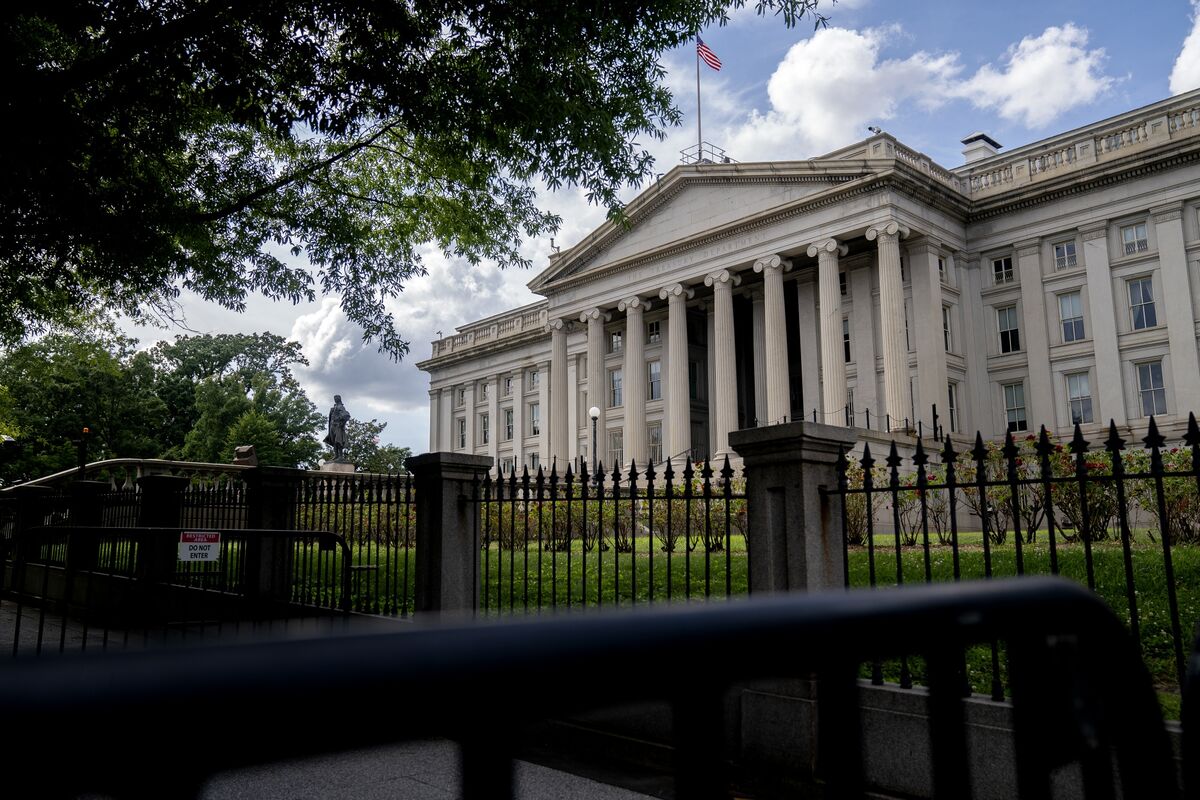
The US Treasury said it will keep nominal note and bond auction sizes unchanged for at least the next several quarters, signaling no shift in its debt-issuance strategy into 2027. The statement suggests the Treasury remains comfortable relying on shorter-dated debt despite growing concerns about refinancing and issuance risks. The message is broadly neutral for markets, but it matters for Treasury supply expectations and the duration mix in the bond market.
The market implication is less about today’s auction sizes and more about what this freezes in place: a heavy front-end bill/bond supply regime that keeps duration risk concentrated in the shortest maturities. That tends to suppress scarcity value in bills, but it also creates a structural support bid for the long end from real money accounts that need carry and duration, while leaving the belly vulnerable if term premium starts to rebuild. In other words, the Treasury’s “no change” posture is not neutral for the curve — it favors a flatter-for-longer bill-heavy issuance mix that can quietly pressure 2s/5s more than 10s/30s if growth or deficit optics deteriorate.
The second-order winner is the financing ecosystem: money market funds, repo desks, and dealers with balance-sheet access can keep harvesting spread from short-dated paper so long as bill supply stays abundant. The loser is anyone relying on persistent bill scarcity to anchor front-end rates lower; if the Fed cuts while Treasury keeps leaning on short issuance, bill yields may not fall as much as policy expectations imply, leaving cash-like returns elevated and slowing rotation out of money funds. That matters for equities via higher hurdle rates and for rate-sensitive sectors via a less accommodative transmission channel.
The real catalyst is not the next auction calendar; it’s a credibility shift in the fiscal path or a meaningful change in Fed Treasury reinvestment behavior over the next 3–12 months. If deficits widen faster than expected, the market will price an eventual maturity extension, which is bullish the long end preemptively but bearish in the transition if term premium reprices abruptly. The consensus may be underestimating how long Treasury can wait before moving, but also overestimating how painless that waiting period is for curve volatility.
Contrarian view: this is not an immediate “bear steepener” setup. In the near term, unchanged auction sizes reduce supply uncertainty and can dampen realized volatility, especially if macro data softens and supports rate cuts. The trade is that the pain is deferred, not removed; the risk is a slow burn where front-end funding stays sticky and the market eventually forces a discussion about larger coupons, at which point the repricing could be sharper than a gradual adjustment now.
AI-powered research, real-time alerts, and portfolio analytics for institutional investors.
Request DemoOverall Sentiment
neutral
Sentiment Score
-0.05
