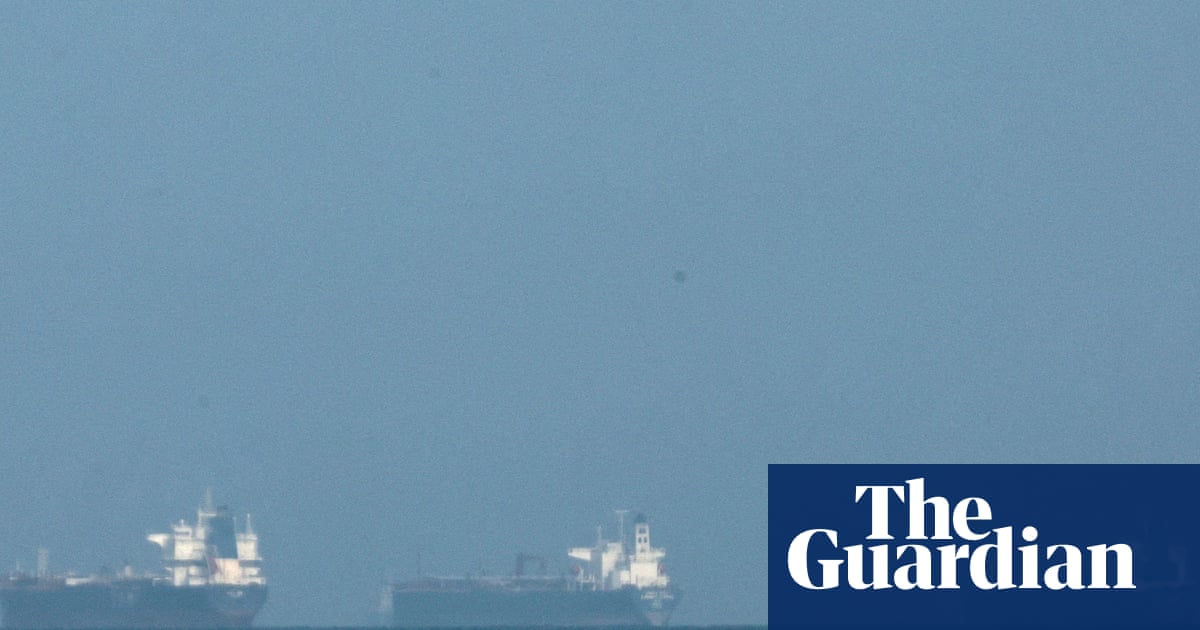
Aramco expects to sustain roughly 70% of Saudi crude exports by routing up to 7.0m bpd through the east‑west pipeline (about 5.0m bpd for the global market after 2.0m bpd to domestic refineries). Blocking of the Strait of Hormuz has wiped an estimated ~20m barrels/day from supply, sent oil to highs of $119/bbl this week (Brent ~ $91) and prompted G7 talks on emergency stock releases without agreement, raising meaningful downside risk to global growth and energy market stability.
Winners will be players that control physical mobility of crude and finished products (owners of VLCCs/LR2s, bonded storage operators and specialty insurers) and agile upstream producers with spare capacity and short lead times. Expect sharply wider regional price spreads and a material increase in long-haul tonne-mile demand that reallocates margin pools toward shipping and logistics rather than refiners in the short run. These effects compound: higher freight rates incentivize longer storage economics (floating storage becomes an asset class), which tightens prompt availability and amplifies price volatility.
Risk horizons bifurcate sharply. Days–weeks: freight and insurance dislocations will dominate P&L and can overshoot on headline risk, creating large but transient trading opportunities. Weeks–months: inventories outside hot zones will draw down and trigger a supply response from high-cost but fast-to-market sources; this is the window where upstream capex flexibility and spare OPEC capacity matter. Months–years: sustained disruptions would force structural re-routing investments (new pipelines, expanded Red Sea terminals, increased strategic reserves) and accelerate substitution in refining slates and fuel-efficiency choices across transport modes.
The market consensus is pricing headline scarcity, not logistics economics — that makes some moves overbaked. If floating storage and cargo substitution continue, near-term spreads and freight rates can mean-revert quickly once diplomatic/insurance signals stabilize. Monitor three high-signal indicators: insured transit counts, global bonded-stock change (weekly), and VLCC/Suezmax timecharter rates; those will tell you whether to rotate from shipping/short-term upstream exposure into longer-cycle energy names or defensive commodity shorts.
AI-powered research, real-time alerts, and portfolio analytics for institutional investors.
Request DemoOverall Sentiment
strongly negative
Sentiment Score
-0.80
