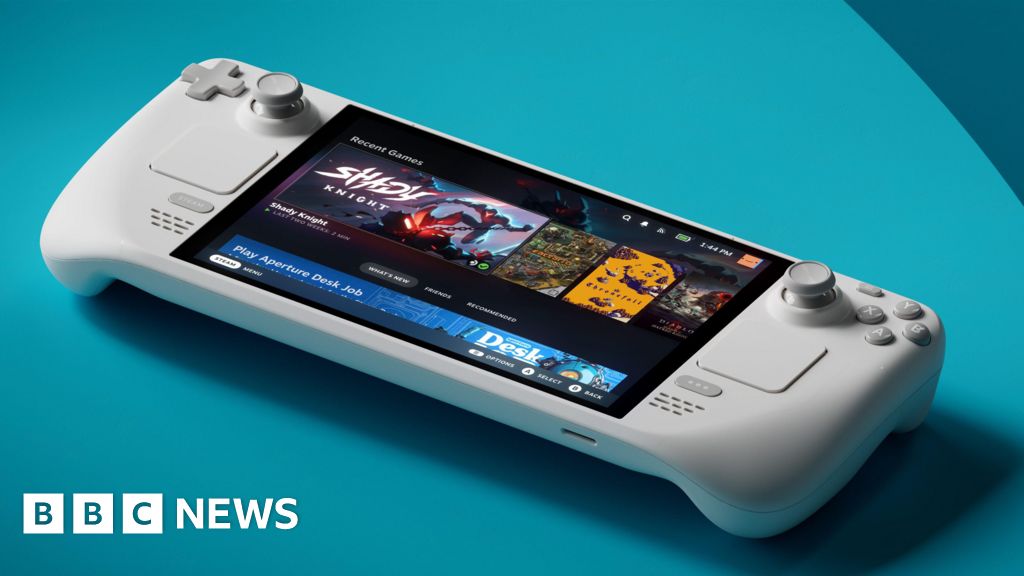
Valve raised Steam Deck OLED prices by more than 40%, with the 512GB model increasing to $789 and the 1TB model to $949, citing rising memory, storage, and logistics costs. The article highlights broader hardware inflation pressures across gaming devices and the risk that similar cost inflation could affect Valve's planned Steam Machine. The news is negative for consumers but is unlikely to have a major market-wide impact.
This is a small consumer-price change in isolation, but it is a useful read-through on the cost curve for premium gaming hardware: memory is no longer a benign input, and the marginal unit economics for any device with meaningful RAM/storage content are getting worse. The second-order effect is that OEMs with discretionary launch timing now have an incentive to delay refreshes rather than sell through at lower margin, which reduces near-term hardware volume but supports longer-term ASPs across the category.
For Sony, the direct read-through is not to the console itself so much as the ecosystem economics around accessories and subscriptions. If premium handhelds and controllers are repriced sharply, it reinforces the idea that consumers are becoming more price sensitive at the margin while still paying for premium content libraries, which makes subscription attachment more important than box sales. That argues for weaker near-term hardware elasticity but better resilience in recurring revenue, especially in regions where FX and inflation are already pressuring household budgets.
The bigger risk is that this is an early indicator of a broader memory-cost squeeze driven by AI data-center demand. If RAM remains tight into the next 2-3 quarters, hardware launches across gaming, PCs, and peripherals could see gross margin compression or delayed rollouts; if memory prices mean-revert quickly, the move becomes a one-off pricing reset and the stock impact should fade. The contrarian view is that the market may be overestimating pass-through power: once one premium product crosses a psychological price threshold, demand can fall nonlinearly, which is more dangerous for niche hardware than for mainstream consoles.
AI-powered research, real-time alerts, and portfolio analytics for institutional investors.
Overall Sentiment
mildly negative
Sentiment Score
-0.25
Ticker Sentiment
