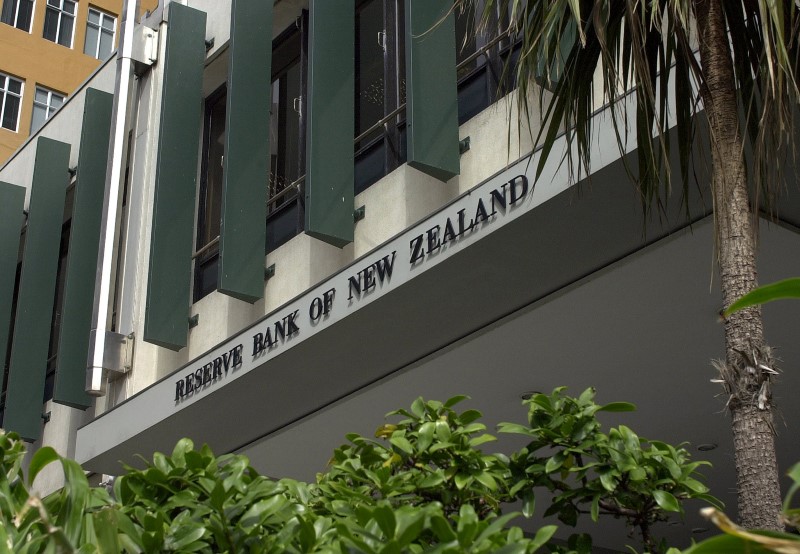
The Reserve Bank of New Zealand has appointed Anna Breman, currently First Deputy Governor of Sweden’s central bank, as its new Governor for a five-year term beginning December 2025. Breman’s appointment follows a months-long search and occurs as the RBNZ is engaged in an aggressive easing cycle, having already cut benchmark rates by 250 basis points since mid-2024 to address significant economic weakness. Her prior experience overseeing an easing cycle at Sveriges Riksbank, which recently cut rates, aligns with the RBNZ's current dovish stance and expected further rate reductions.
The Reserve Bank of New Zealand (RBNZ) has appointed Anna Breman, the current First Deputy Governor of Sweden's Riksbank, as its new Governor for a five-year term commencing December 2025. This appointment provides clarity on leadership following the abrupt resignation of the previous governor. Breman's selection is significant as it aligns with the RBNZ's current aggressive monetary easing policy. The RBNZ has already cut its benchmark rate by 250 basis points since mid-2024 in response to a domestic economy that is, according to recent data, "shrinking much faster than expected." Breman's own experience overseeing a recent easing cycle at the Riksbank, which itself just delivered an unexpected 25 bps rate cut, reinforces expectations for a continued dovish stance from the RBNZ. The central bank has explicitly flagged a dovish outlook, and this appointment solidifies the view that further interest rate cuts are likely in the coming months to combat sustained economic weakness.
AI-powered research, real-time alerts, and portfolio analytics for institutional investors.
Request DemoOverall Sentiment
mildly negative
Sentiment Score
-0.25
