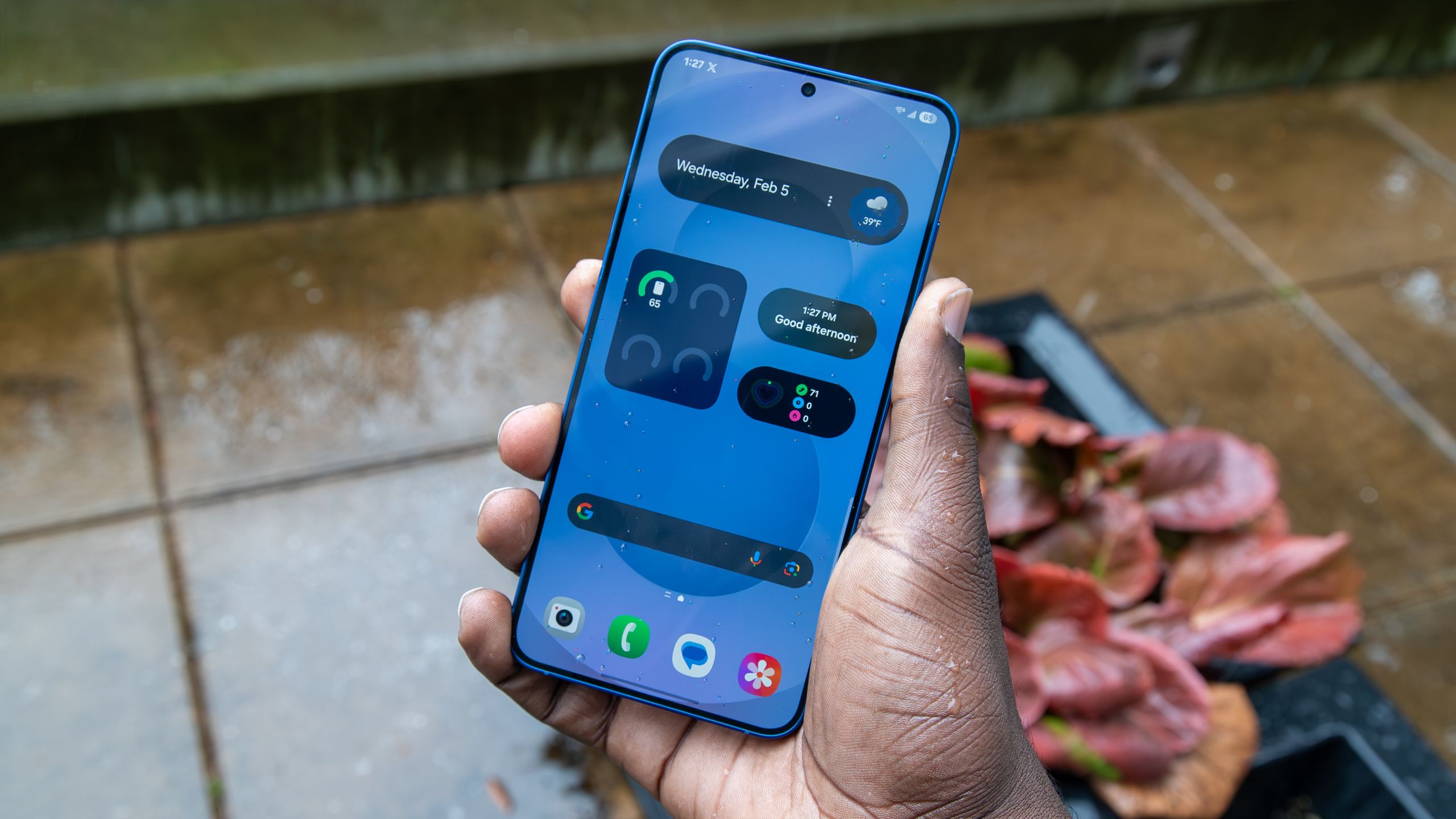
Samsung has reportedly begun rolling out One UI 8.5 Beta 10 to Galaxy S25 devices in South Korea, with a nearly 900MB build that adds AI Call Screening, Creative Studio, and several bug fixes. The update also addresses multi-touch, proximity sensor, call screen timing, 4K recording anomalies, and Bluetooth issues. The article suggests a stable launch could follow in late April or May, implying the beta cycle is nearing completion.
The important signal is not the beta itself, but the probability that Samsung is close to stabilizing the software stack on its flagship installed base. That matters because modern handset upgrade cycles are increasingly driven by perceived feature delta and AI utility, not raw hardware specs; a credible call-screening/assistant layer can lift retention and reduce churn at the margin, especially in markets where carrier subsidies are less decisive.
For Google, the near-term read-through is mixed. On one hand, Android OEMs adopting more native AI utilities validates the category and should support broader Android engagement; on the other hand, Samsung shipping more of its own AI surface area is a slow-burn headwind to Google Assistant/Gemini monetization if users spend more time inside Samsung’s UX layer than Google’s services layer. The second-order issue is that feature parity on premium Android reduces the moat of Google’s differentiated handset partnerships, which can compress value capture over the next 6-12 months.
The market may be underestimating how much of this is a perception trade, not a revenue trade. A smoother, feature-rich beta into stable release can improve resale values and upgrade intent for Galaxy S25 owners, but the monetization impact is likely back-end-loaded and modest unless Samsung successfully converts AI features into recurring services. The bigger risk is execution: if the stable rollout slips again or the new features are buggy, it reinforces beta fatigue and could weaken Samsung’s premium brand halo into the next hardware cycle.
Contrarian view: consensus seems to treat Samsung AI enablement as purely bullish for the handset franchise, but if these features become table stakes across Android, differentiation shifts back to distribution and cloud monetization rather than device ASPs. That makes the current setup more favorable for infrastructure and AI enablers than for the OEMs themselves. The best edge is to fade any knee-jerk optimism in Samsung hardware while staying constructive on ecosystem beneficiaries with recurring usage capture.
AI-powered research, real-time alerts, and portfolio analytics for institutional investors.
Request TrialOverall Sentiment
mildly positive
Sentiment Score
0.15
Ticker Sentiment
