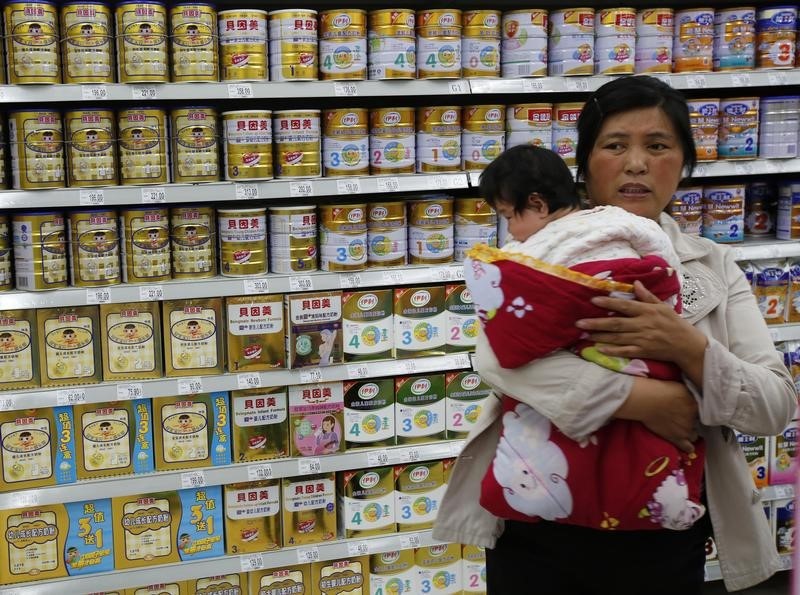
China is reportedly preparing to implement nationwide cash subsidies to encourage childbirth, offering 3,600 yuan ($503) annually per child until age three for those born from January 1, 2025. This significant policy shift underscores Beijing's escalating efforts to combat a prolonged population decline, with new births falling to 9.54 million in 2023—nearly half of 2016 levels—a demographic trend posing a substantial threat to the country's long-term economic prospects.
China is reportedly preparing a nationwide cash subsidy program to combat its severe demographic decline, a move that signals escalating government urgency. The proposed policy would provide families with 3,600 yuan ($503) annually for each child until age three, a direct fiscal stimulus aimed at reversing a sharp drop in birth rates, which fell to 9.54 million in 2023—nearly half the level of 2016. This national-level intervention follows the failure of previous measures, such as the abolition of the one-child policy, to spur a demographic recovery. While the initiative underscores a significant policy shift to address a core threat to China's long-term economic stability, its status as a proposal introduces uncertainty regarding implementation and final terms. The relatively modest subsidy amount may also prove insufficient to meaningfully alter family planning decisions against the backdrop of high child-rearing costs, a key factor in the persistent birth rate decline.
AI-powered research, real-time alerts, and portfolio analytics for institutional investors.
Request DemoOverall Sentiment
moderately negative
Sentiment Score
-0.40
