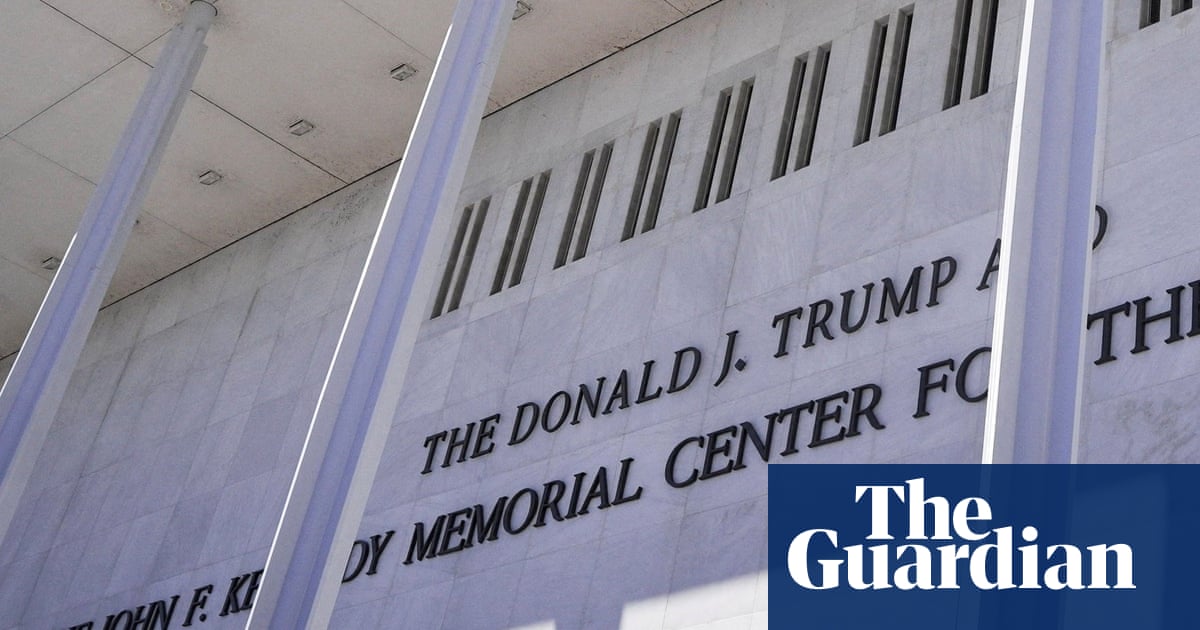
A federal judge ordered Donald Trump’s name removed from the Kennedy Center within 14 days and blocked the center’s summer closure for renovations, ruling that only Congress can rename the institution. The decision undercuts Trump’s effort to remake the federally funded arts venue and may delay his broader renovation plans, though the direct market impact is limited. The dispute is now likely to continue through Congress and the courts.
This is less about a naming dispute than a governing-rights reset. The ruling raises the probability that Trump’s broader cultural interventions in federally supported institutions will face procedural friction, which matters because his playbook relies on rapid administrative capture followed by irreversible optics. The immediate market impact is small, but the precedent is meaningful for any asset whose economics depend on discretionary federal patronage, board control, or permissive interpretation of founding statutes.
The second-order effect is on event monetization and booking stability. If the center is forced to restore neutral governance and pause politically driven renovations, the near-term winner is the core-performing-arts ecosystem that has been de-risking from reputational contamination; the losers are vendors, promoters, and donor-adjacent operators that benefit from a more centralized, personality-driven programming strategy. Over 3-12 months, the larger issue is whether this becomes a template for courts to slow-roll executive overreach across museums, venues, and other grant-supported cultural assets.
From a political-risk lens, the ruling also constrains the administration’s ability to use flagship institutions as branding vehicles. That increases execution risk on adjacent Washington projects that require approvals, federal money, or cooperative counterparties; the market should assign a higher probability to schedule slippage and cost inflation where legal title and operating authority are contested. The contrarian view is that the administration may actually welcome the fight if it helps polarize the asset and force a congressional resolution, but that would likely be a months-long process with a high chance of partial defeat and reputational damage in the interim.
AI-powered research, real-time alerts, and portfolio analytics for institutional investors.
Request TrialOverall Sentiment
mildly negative
Sentiment Score
-0.15
