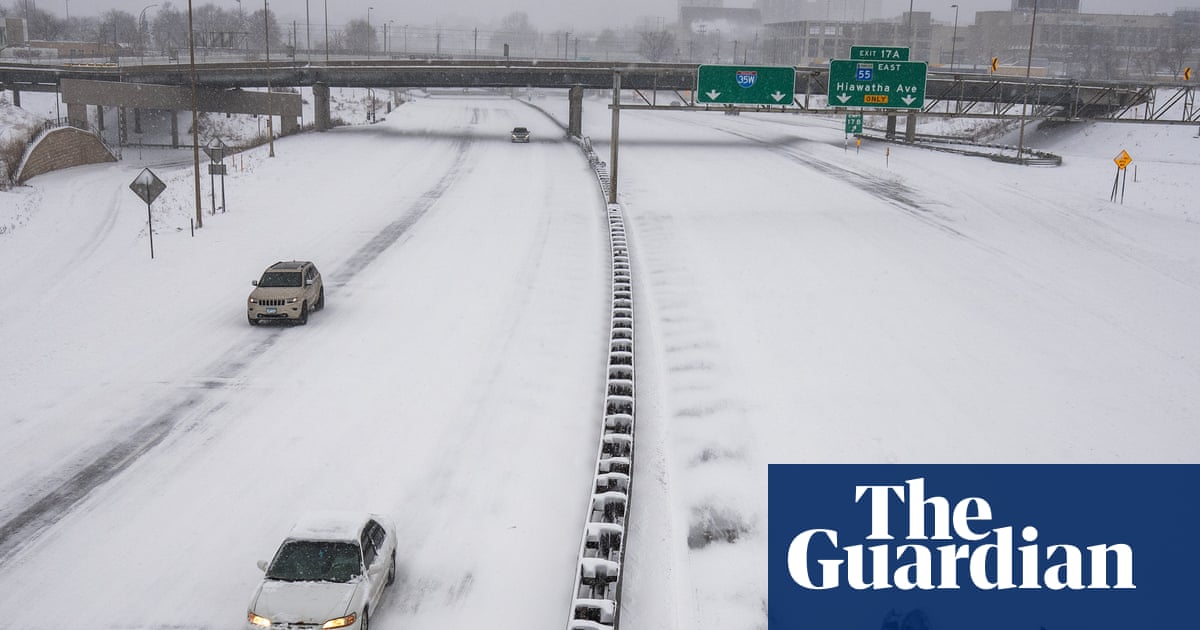
Nearly 200 million people are in the path of a 'triple-threat' bomb cyclone that is producing blizzard conditions (>20 in / 50 cm in parts of MN/WI), gusts up to ~85 mph, tornado risk near Baltimore/Washington DC, and large wildfires that have burned well over 900 sq miles in Nebraska. Immediate tangible impacts include 600+ flight cancellations at Minneapolis-St. Paul, dozens more around Detroit, more than 210,000 utility customers without power, and mandatory evacuations/NG deployments in Nebraska. Expect near-term pressure on airlines and regional transportation logistics, elevated claims and operational stress for utilities and insurers, and localized energy and supply-chain disruptions that could move individual regional-sector stocks by low-single-digit percentages.
The immediate market transmission will be concentrated in logistics and short-cycle services: canceled flights, hub congestion and curtailments in truck/rail intermodal lanes will create localized inventory holes that elevate spot freight and expedited shipping margins for 1–3 weeks. That creates a temporal arbitrage where carriers with flexible pricing (spot-focused truckers) see revenue bumps while legacy networked carriers (big integrators and legacy airlines) shoulder outsized rebooking and maintenance costs.
Power and fuel markets will face asymmetric shocks: peaky demand for diesel/propane/generator fuel and unplanned grid repair draw both working capital and physical inventory from tight regional markets, pressuring local retail fuel differentials for 2–6 weeks and supporting aftermarket parts/manufacturing cadence for quarters. Insurers and reinsurers will book a multi-quarter hit to loss ratios, but the bigger second-order is regulatory and municipal pressure to accelerate grid-hardening and capital projects, favoring equipment OEMs and contractors over time.
Behavioral overshoots are likely: knee‑jerk shorting of retail and travel names for multi-month horizons ignores the fact that DIY and repair spend concentrates in the immediate 4–12 week window and often benefits large-box retailers and generator/engine OEMs faster than insurance claim cycles materialize. Conversely, while headlines bid reinsurance down on modeled losses, pricing resets in the coming renewals (6–12 months) create a potential mean reversion trade into selected reinsurers with strong balance sheets.
AI-powered research, real-time alerts, and portfolio analytics for institutional investors.
Request DemoOverall Sentiment
strongly negative
Sentiment Score
-0.60
