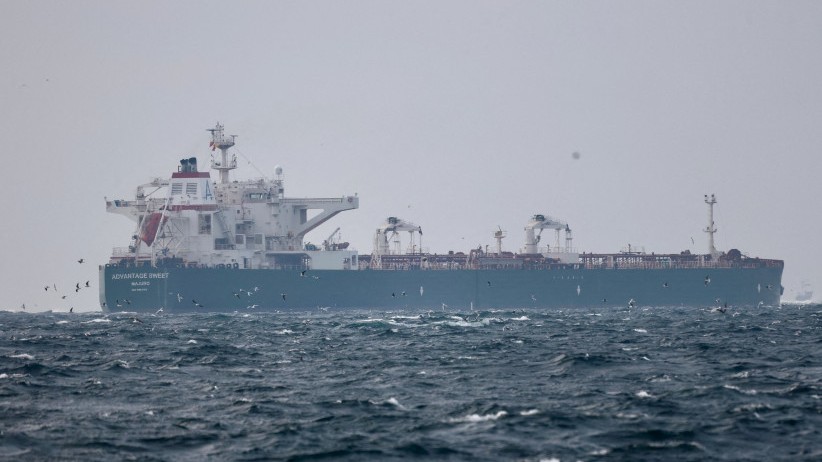
Multiple vessels transiting the Strait of Hormuz were attacked this week, underscoring elevated risk in a chokepoint that normally carries about 20% of global petroleum flows and is operating at roughly 10% of pre-war traffic levels. Chevron said it has six chartered vessels in the Persian Gulf and will not pay any tolls or fees for passage, as Iran has reportedly demanded up to $2 million per tanker for safe transit. The reported incidents and stalled shipping reinforce a persistent geopolitical shock to energy logistics and global trade.
The market is still underpricing the asymmetry in Gulf shipping risk. The immediate loser is not just the tanker owner; it is the entire logistics stack that depends on predictable transit times, including charterers, marine insurers, and refiners that run lean on prompt crude arrivals. The most important second-order effect is that even a partial reopening does not normalize flows quickly: once crews, underwriters, and shipowners have experienced detention or expropriation risk, the “confidence rebuild” phase can lag the diplomacy by weeks to months, keeping a risk premium embedded in freight, crude differentials, and product cracks.
For CVX, this is mildly negative operationally but more importantly highlights hidden exposure through third-party-chartered tonnage and supply optionality. A few disrupted voyages do not change upstream production economics, but they can raise delivered-cost volatility into Asia and increase the value of domestic barrels for U.S. refiners and integrated names with shorter-haul optionality. The clean beneficiaries are non-Gulf supply chains: Atlantic Basin crude exporters, U.S. shale-linked transport assets, and insurers only if they can reprice risk without losing volume; the losers are Asia-bound buyers that rely on incremental spot cargoes and may be forced into higher-priced alternatives.
The contrarian view is that the immediate price response may be too small if the corridor remains structurally impaired. If traffic stays near half-normal for several weeks, the market is likely to re-rate not on headline peace progress but on physical availability of ships and war-risk premiums, which is a slower, stickier adjustment than geopolitics headlines imply. Tail risk is a renewed attack cycle or a sanctions-compliance squeeze that pushes some operators out entirely, which would matter more over the next 30-90 days than any ceasefire language.
The best setup is to own volatility and relative spread exposure rather than a simple directional crude bet. Energy equities with Gulf exposure should lag versus U.S. midstream and domestic E&Ps if freight and insurance costs stay elevated, while airfreight, chemical, and shipping-sensitive industrials remain vulnerable to input-cost drift. If the Strait meaningfully reopens, the unwind should be faster in crude than in freight, creating a window to fade the initial relief rally in oil while staying long beneficiaries of persistent logistics friction.
AI-powered research, real-time alerts, and portfolio analytics for institutional investors.
Request DemoOverall Sentiment
strongly negative
Sentiment Score
-0.62
Ticker Sentiment
