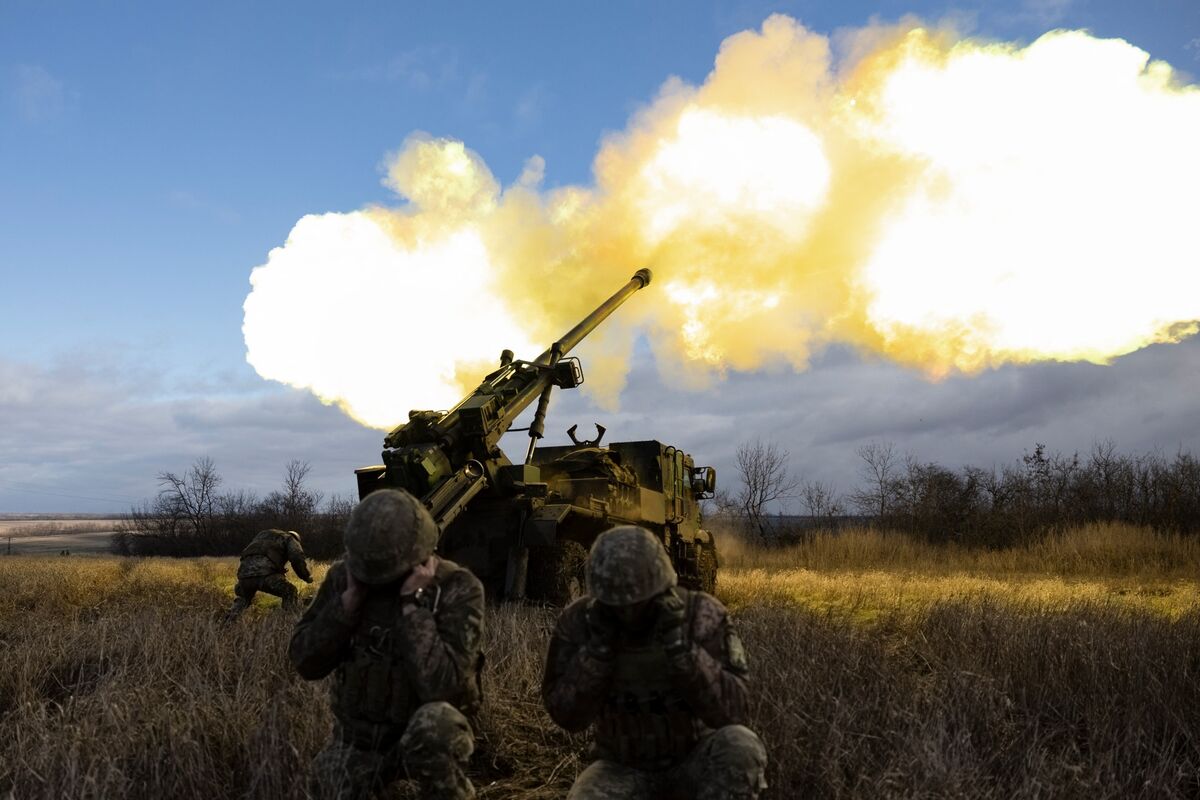
The Russia-Ukraine war persists into its fourth year, following an unsuccessful August 15 summit where former US President Donald Trump failed to secure a ceasefire with Russian President Vladimir Putin, despite prior warnings of 'severe consequences'. Crucially, no further punitive measures were enacted, and Trump subsequently aligned with Putin's position to pursue a direct peace agreement without an interim truce.
The geopolitical landscape concerning the Russia-Ukraine war is characterized by a persistent stalemate, now reportedly in its fourth year. A recent high-stakes diplomatic effort, an August 15 summit between former US President Donald Trump and Russian President Vladimir Putin, failed to produce a ceasefire. Notably, the threatened 'very severe consequences' from the US did not materialize, indicating a lack of new punitive economic measures. This was followed by a significant strategic pivot from the US, with President Trump shifting to align with President Putin's preference for pursuing a direct peace agreement without a preceding truce. This failure to escalate sanctions and the change in diplomatic posture suggest a potential de-escalation of direct economic confrontation but also signals a prolonged state of unresolved conflict, contributing to sustained uncertainty in the region.
AI-powered research, real-time alerts, and portfolio analytics for institutional investors.
Request DemoOverall Sentiment
neutral
Sentiment Score
0.00
