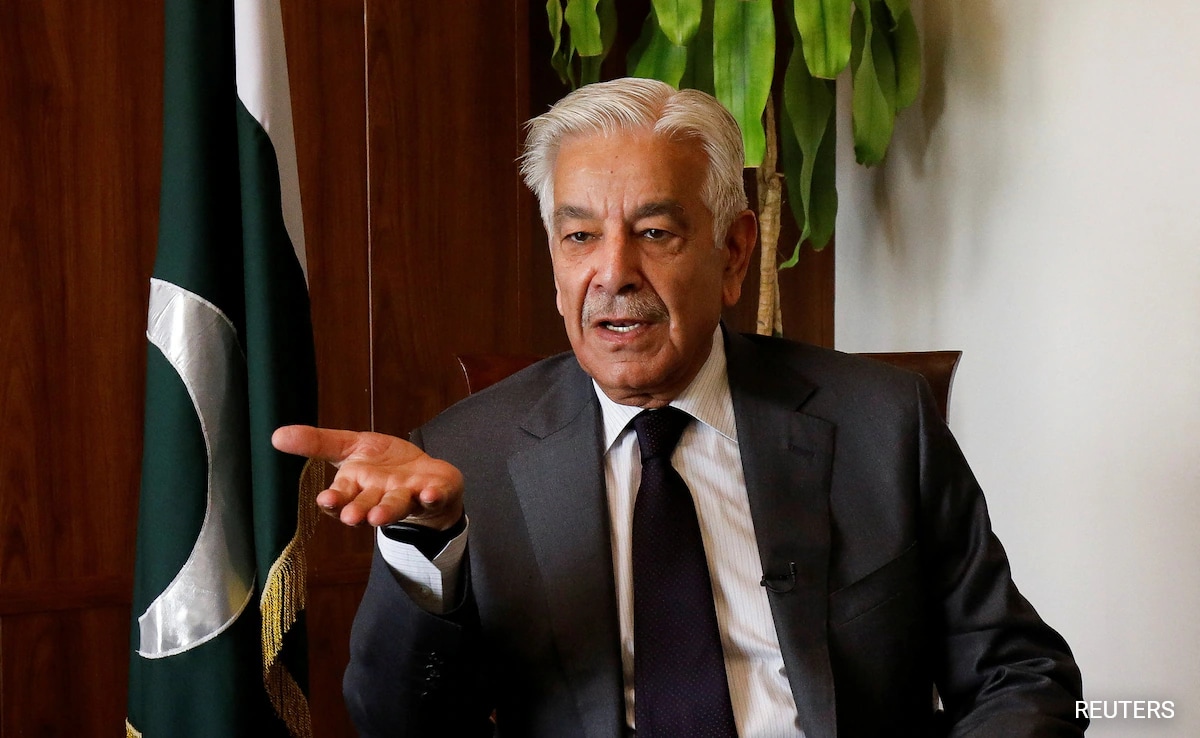
Tensions between Pakistan and Afghanistan have significantly escalated following the failure of Qatar and Turkey-mediated peace talks, with Pakistan's Defence Minister threatening military action against the Afghan Taliban for allegedly supporting anti-Pakistan terrorists. Afghanistan has warned of reciprocal strikes if its territory is bombed, while Pakistan also publicly admitted to an agreement with the United States permitting drone operations from its territory. This diplomatic breakdown signals heightened regional instability, despite the current ceasefire remaining intact.
Tensions between Pakistan and Afghanistan have significantly escalated following the failure of Qatar and Turkey-mediated peace talks, marked by Pakistan's Defence Minister Khawaja Asif's hawkish threats to "completely obliterate" the Afghan Taliban. This diplomatic breakdown, despite four days of dialogue, signals a strongly negative sentiment in regional relations.
The talks reportedly failed after Pakistan publicly acknowledged an agreement with the United States permitting drone operations from its territory, a critical point of contention. Afghanistan, in turn, has issued warnings of "reciprocal action" if its territory is bombed, exacerbating the risk of military confrontation. Pakistan's Information Minister further accused Afghanistan of a "blame game" and supporting anti-Pakistan terrorists, specifically the TTP.
Despite the severe diplomatic rhetoric and mutual accusations, the ceasefire along the Pakistan-Afghanistan border remains intact, with no new clashes reported. However, the overall tone is "hawkish" and sentiment is "strongly negative" (-0.7), indicating heightened geopolitical risk and instability, particularly relevant for themes like "Geopolitics & War" and "Infrastructure & Defense," even if the direct market impact score is currently low at 0.25.
AI-powered research, real-time alerts, and portfolio analytics for institutional investors.
Request DemoOverall Sentiment
strongly negative
Sentiment Score
-0.70
